Key Takeaways
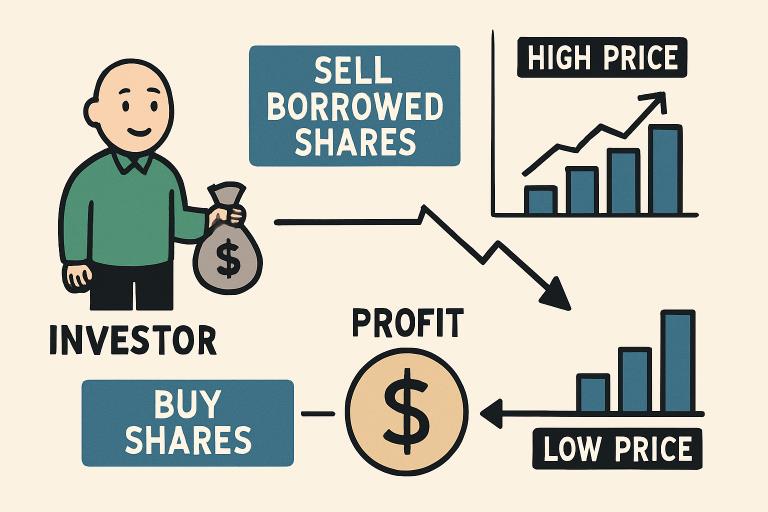
- Short selling entails selling borrowed shares with the objective of repurchasing them at a lower price.
- The method allows profit from declining stock prices and provides a potential hedge against market downturns.
- Risks include unlimited loss potential, margin calls, and the threat of short squeezes.
- Effective risk control and a deep understanding of market mechanics are crucial for short sellers.
Short selling has become an increasingly popular strategy in modern investing, offering both enticing opportunities and unique risks. At its core, short selling involves borrowing shares, selling them on the market, and aiming to buy them back later at a lower price. Investors turn to this approach when they anticipate a downturn in a particular stock. While the practice can be used to profit from falling markets, it requires a keen understanding of how short selling works to avoid costly mistakes and manage potential losses.
The concept may seem straightforward, but the underlying mechanics require careful consideration. When an investor borrows shares to sell them, they must eventually return those shares, ideally after repurchasing them at a discount. For those who accurately predict market downturns, short selling offers an opportunity to profit from falling prices. However, short selling can easily backfire, exposing an investor to substantial and even unlimited losses if a stock rallies instead of falling.
Because of these risks, understanding the ins and outs of short selling is essential for anyone considering this advanced strategy. Investors should be aware that market volatility, short squeezes, and other variables can endanger even the most well-conceived trades. Taking time to master these dynamics can help traders determine when—if ever—short selling should play a role in their investment approach.
Understanding Short Selling
At its core, short selling begins when an investor identifies a stock that appears overvalued or is due for a negative catalyst. They borrow the shares from a broker and sell them at the current price. If their thesis proves correct and the price drops, they can purchase the same number of shares at a lower price, return them to the broker, and pocket the difference. This approach stands in stark contrast to traditional long-term investing, where profits arise only from rising stock prices.
Short selling is particularly attractive during bear markets or in sectors facing systemic challenges. Some investors also use short positions to offset risks elsewhere in their portfolios, acting as a form of insurance against market downturns.
Potential Rewards of Short Selling
Short selling presents several advantages for investors. Firstly, it allows profit from declining markets, enabling short sellers to profit from falling stock prices without owning the stock. Secondly, it serves as a hedging strategy against market risks, helping to offset long positions or protect portfolios from broader market declines by holding short positions in related securities. Lastly, short selling helps expose overvalued companies by focusing on firms with inflated valuations or questionable business practices, thereby promoting transparency and market efficiency.
Risks Associated with Short Selling
Short selling presents significant risks despite its advantages. Key concerns include the potential for unlimited losses if stock prices rise sharply, leading to financial losses exceeding the trade’s initial investment. Short sellers are also subject to margin calls from brokers, requiring additional funds or the forced closure of positions during price spikes, leading to realized losses. Furthermore, short squeezes can occur when heavily shorted stocks experience rapid price increases, compelling short sellers to cover positions and driving prices even higher, as exemplified by the 2021 GameStop event. Additionally, short sellers incur borrowing costs and are liable for dividends on borrowed shares, further diminishing profits.
Real-Life Example: The GameStop Short Squeeze
One of the most dramatic illustrations of the risks involved in short selling unfolded with GameStop in early 2021. Retail investors, using online forums, coordinated to buy and hold the company’s shares, driving the stock price up rapidly. As a result, many hedge funds and larger investors who had bet against GameStop incurred billions in losses. This event not only underscored the dangers of excessive short selling but also demonstrated the potent influence of collective investor action in the digital age.
Risk Management Strategies
Smart investors recognize that risk management is vital when short-selling. Here are some essential strategies:
- Use Stop-Loss Orders:Automated stop-loss orders can limit potential losses by exiting positions if prices move unfavorably beyond set thresholds.
- Short with Options:Buying put options instead of selling borrowed shares provides similar exposure but limits losses to the option’s premium.
- Diversify Short Positions:Avoiding concentrated bets on a single ticker reduces exposure to unpredictable price moves.
- Monitor Market Sentiment:Regularly assessing news flow and social media chatter can help gauge when stocks are at risk of short squeezes or other rapid moves.
For more detailed guidance on short-selling considerations and regulatory risks, the Investopedia short selling guide offers thorough insights into how this strategy works in different market environments.
Conclusion
Short selling remains one of the most challenging and potentially rewarding tools available to investors. While it allows profit from declining markets and can help hedge against broader risks, its potential for unlimited losses and exposure to market volatility make it unsuitable for inexperienced traders. Only those who approach short selling with discipline, robust risk management, and continuous learning can hope to capitalize on its opportunities while avoiding its many pitfalls.