Transforming your bathroom with new tiles can dramatically enhance its aesthetic appeal and functionality. However, deciding between professional tile installation and a DIY approach is a significant choice that can impact your project’s outcome. Are you considering taking on the task yourself or hiring a seasoned professional? This article explores the nuances of tile installation, comparing both methods to help you make an informed decision. From evaluating costs to understanding quality and longevity, we’ll delve into the essential factors to consider for your bathroom renovation project.
Professional Tile Installation vs DIY for Bathrooms
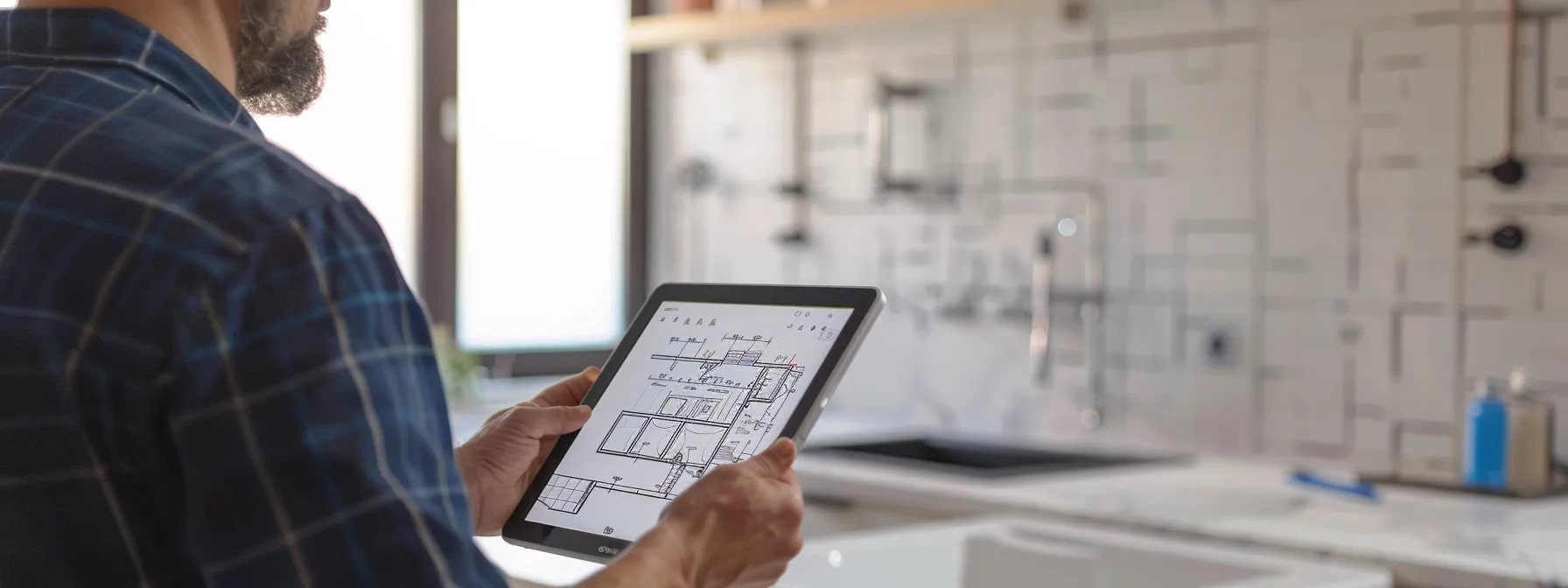
Professional tile installation offers the benefit of expertise and precision. Skilled installers often use advanced tools such as CAD software for precise measurements and layout planning, ensuring that tiles are perfectly aligned and cut. These professionals are adept at handling complex installations, including those requiring compliance with specific Bathroom Tile Ideas and egress requirements, ensuring both aesthetics and safety are addressed.
On the other hand, a DIY approach allows for complete creative control and could be more rewarding for those with the time and skills. However, DIY projects may lack the precision that professionals provide, potentially affecting the overall design and layout. Additionally, without proper training in schematic design and the application of spec sheets, DIY installations might fall short in terms of finish and durability.
Key Considerations for Choosing Tile Installation Methods
When selecting an installation method, consider your project’s complexity and the specific mood board you are aiming to achieve. Professional installers can bring FF&E (Furniture, Fixtures, and Equipment) into harmony with your selected tiles, ensuring a cohesive design. They are also familiar with the latest BIM (Building Information Modeling) tools, enhancing the integration of various design elements.
For DIY enthusiasts, consider whether you have the necessary skills and tools, such as tile cutters and leveling systems, to execute the project effectively. Space planning is essential in DIY projects to avoid miscalculations that could lead to costly errors. Moreover, understanding the luminance and acoustical treatments in your bathroom can guide you in choosing the right tile materials and finishes.
Cost Comparison of Professional Tile Installation and DIY
The cost is a pivotal factor in deciding between professional installation and DIY. Professional services may initially seem more expensive due to labor costs and potential project management fees. However, professionals often source materials at lower prices and ensure efficient use, reducing wastage. This can be particularly advantageous when dealing with high-end tiles, where mistakes can be costly.
DIY projects, while seemingly more economical upfront, can incur unexpected expenses. These might include tool purchases or renting equipment like wet saws. Additionally, the potential for errors could lead to increased material costs. A well-executed DIY project could save money, but be prepared for the investment in time and effort. Architectural Digest’s home renovation guide provides further insights into budgeting for such projects.
Comparing Quality and Longevity in Tile Installation Approaches
Quality and longevity are paramount in tile installation. Professional installers bring a level of craftsmanship that often results in superior quality and durability. They adhere to design development processes, ensuring each tile is installed to withstand daily wear and tear. Additionally, professionals can advise on suitable millwork and hardscape materials to complement your tile choice, enhancing longevity.
DIY installations may not match professional standards if not executed with precision and expertise. Ensuring the correct application of materials and techniques is crucial for durability. The use of color rendering tools can aid in visualizing the final product, ensuring your DIY project aligns with your design vision. However, without professional guidance, the risk of premature wear and potential retrofit needs increases. For more on ensuring quality in home improvements, visit Houzz Magazine.
Conclusion

The choice between professional tile installation and a DIY approach depends on your skill level, budget, and project complexity. Professional installation offers precision and durability, while DIY allows for personal creativity and potential cost savings. Consider these factors carefully to achieve the bathroom design you envision, ensuring it meets both aesthetic and functional goals. For more insights and ideas, explore resources tailored to your specific bathroom renovation needs.