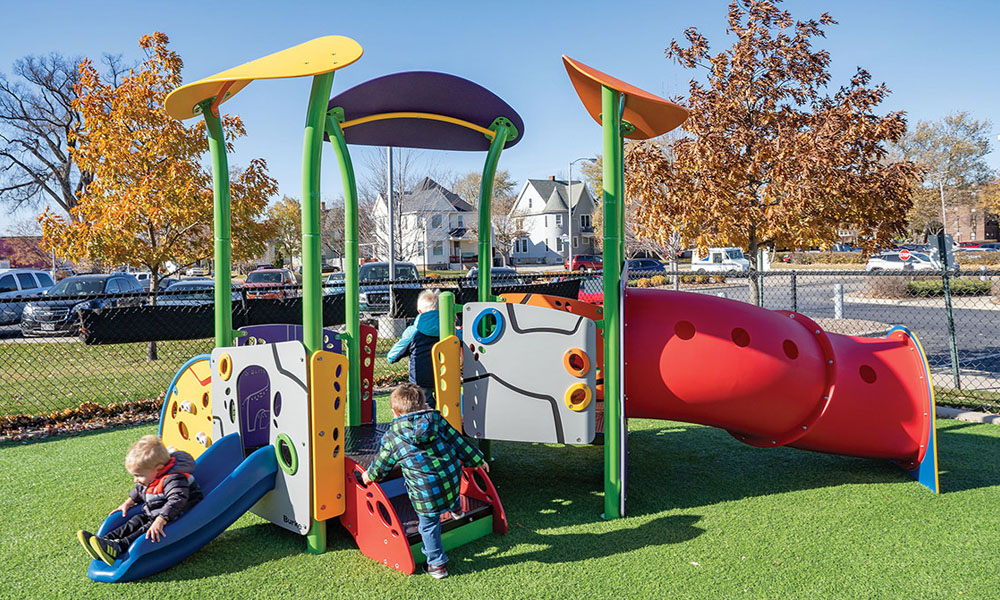
Outdoor play is an essential part of healthy childhood development. Between the ages of three and six, children rapidly develop physical abilities, social skills, creativity, and self-confidence. A well-designed loc de joaca exterior provides young children with a safe environment where they can learn through movement, exploration, and interaction with others.
Modern playgrounds are much more than recreational spaces. They serve as environments that encourage active lifestyles, stimulate imagination, and support cognitive and emotional development. Whether installed in kindergartens, parks, residential communities, schools, hotels, or public spaces, outdoor playgrounds create opportunities for children to grow while having fun.
Why Outdoor Play Is Important for Children Aged 3–6
The preschool years are a critical stage in child development. During this period, children are constantly learning new physical and social skills. Outdoor play encourages movement and exploration while helping children understand the world around them.
Research and educational specialists consistently emphasize the importance of active play in developing coordination, balance, strength, communication abilities, and problem-solving skills. Well-designed playground environments support these developmental milestones through age-appropriate activities and challenges.
Outdoor activities also help children build independence and confidence as they learn to navigate obstacles, climb structures, and interact with peers.
What Makes a Good Outdoor Playground?
A quality outdoor playground combines safety, durability, and educational value. The best playgrounds offer a variety of activities that encourage children to move, explore, and engage in creative play.
Modern playground complexes typically include multiple play elements integrated into a single structure. These components work together to provide diverse experiences that keep children engaged while supporting different aspects of development.
For children aged 3–6, playground equipment should be specifically designed to match their physical abilities and developmental needs. Many playground complexes in this category include slides, climbing elements, bridges, towers, interactive panels, and themed structures created specifically for preschool-aged children.
Benefits of Outdoor Playgrounds
Physical Development
Outdoor playgrounds naturally encourage movement. Activities such as climbing, balancing, crawling, running, and sliding help children strengthen muscles and improve coordination.
Regular physical activity during early childhood supports healthy growth and helps establish active habits that can continue throughout life.
Social Skills
Playgrounds are social environments where children learn to communicate, cooperate, share, and solve conflicts. Group play helps develop interpersonal skills while teaching children how to interact with others in a positive way.
These experiences contribute to emotional intelligence and social confidence.
Cognitive Development
Play often involves problem-solving, decision-making, and imaginative thinking. Children constantly evaluate situations, plan movements, and create games while using playground equipment.
Interactive playground elements can further encourage creativity, curiosity, and learning through exploration.
Essential Features of a Modern Outdoor Playground
Slides
Slides remain one of the most popular playground attractions for young children. They provide excitement while helping children develop balance, coordination, and confidence.
Modern playground complexes often include slides specifically sized for preschool-aged users to ensure safe and enjoyable experiences.
Climbing Elements
Climbing structures help children improve strength, coordination, and motor skills. Features such as climbing ladders, rope systems, and low-height climbing walls encourage active exploration.
These activities also help build confidence as children overcome challenges and develop new abilities.
Bridges and Walkways
Bridges and elevated pathways encourage balance and coordination while adding an element of adventure to the playground experience.
Children often incorporate these features into imaginative games and role-playing activities.
Interactive Panels
Educational and sensory panels have become increasingly common in modern playground design. Interactive elements can encourage learning while supporting creativity and cognitive development.
Features such as mazes, games, drawing panels, and activity boards add variety to the play experience.
Safety as a Top Priority
Safety is one of the most important considerations when designing a playground for young children. Equipment should be specifically engineered to provide age-appropriate challenges while minimizing unnecessary risks.
Certified Construction Standards
High-quality playground manufacturers follow recognized safety standards to ensure reliable performance and safe operation. Certified equipment helps provide peace of mind for parents, educators, and facility operators.
Durable Materials
Outdoor playgrounds must withstand intensive use and varying weather conditions. Modern equipment commonly utilizes galvanized steel, high-density polyethylene (HDPE), and other durable materials designed for long-term performance.
These materials help maintain structural integrity while reducing maintenance requirements.
Age-Appropriate Design
Children aged 3–6 require equipment scaled to their size and developmental stage. Appropriate platform heights, secure handrails, safe climbing structures, and carefully designed transitions all contribute to a safer play environment.
Where Outdoor Playgrounds Are Used
Outdoor playground complexes are suitable for a wide range of environments.
- Kindergartens and preschools
- Public parks
- Residential communities
- Schools
- Hotels and resorts
- Recreational centers
- Municipal development projects
- Private educational institutions
These installations help create attractive outdoor spaces that encourage active recreation and community engagement.
Modern Trends in Playground Design
Playground design continues to evolve as manufacturers develop new ways to engage children while maintaining safety and durability.
Popular trends include themed playgrounds, colorful educational elements, inclusive designs, sensory play features, and multifunctional activity centers that support various types of play.
Many modern playground complexes combine physical challenges with imaginative elements to create more engaging experiences for young children.
How Outdoor Playgrounds Support Learning
Play and learning are closely connected during early childhood. Outdoor playgrounds provide opportunities for experiential learning that cannot be replicated in traditional classroom settings.
Children learn through movement, experimentation, and interaction. Activities such as climbing, balancing, and navigating obstacles encourage critical thinking while developing physical skills.
Group play also helps children practice communication, teamwork, and cooperation in natural social situations.
Choosing the Right Playground for Children Aged 3–6
When selecting a playground complex, it is important to consider the available space, expected number of users, intended environment, and developmental needs of the target age group.
A well-designed playground should offer a balance between physical activity, creative play, and social interaction. Multiple activity zones help maintain engagement and accommodate different interests among children.
Investing in quality playground equipment ensures long-term value, reliability, and a positive user experience for years to come.
Why Quality Playground Equipment Matters
Playground complexes represent a long-term investment in children’s well-being and community development. High-quality installations offer greater durability, lower maintenance requirements, and enhanced safety.
Well-designed play environments can become important gathering spaces where children build friendships, develop skills, and enjoy active outdoor experiences.
For schools, municipalities, and private organizations, quality playground equipment contributes to healthier and more vibrant communities.
Discover Outdoor Playgrounds at Copfer
Creating a successful outdoor recreation area starts with selecting equipment specifically designed for young children. Copfer offers playground solutions developed for children aged 3–6, combining safety, durability, and engaging play experiences.
Whether for educational institutions, public parks, residential developments, or community projects, a professionally designed outdoor playground can help children stay active, learn new skills, and create lasting memories through play.