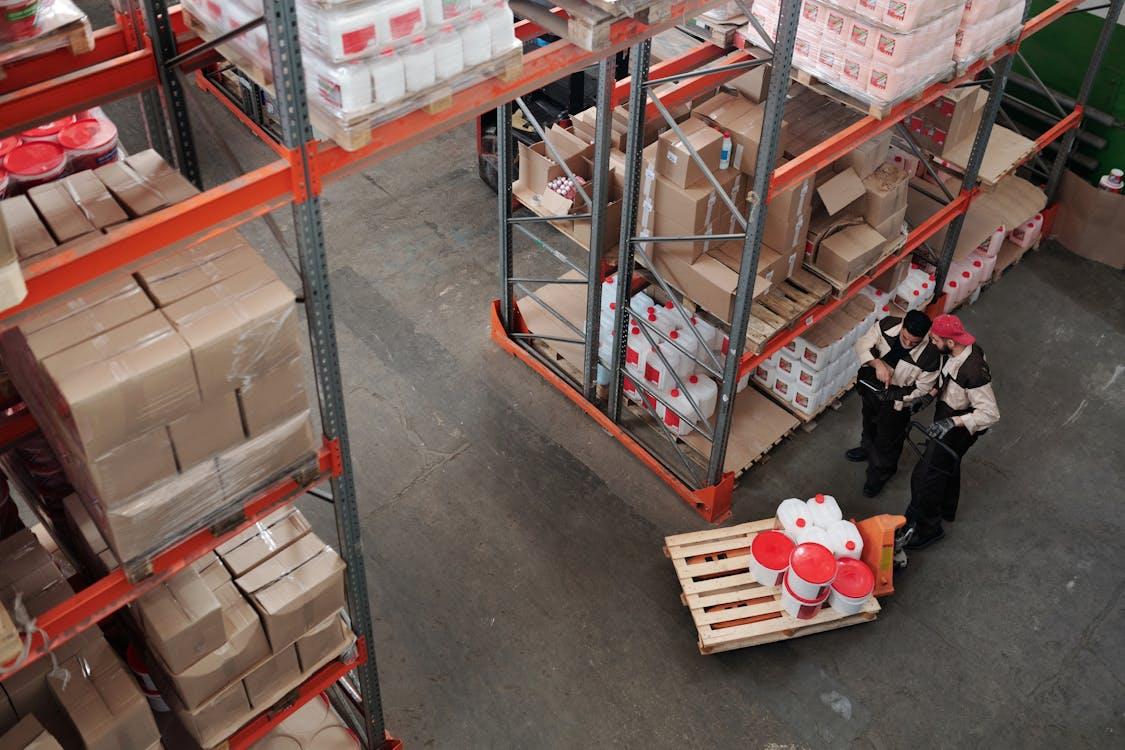
Every warehouse eventually hits the same wall. You run out of room before you run out of product. Expanding the building isn’t always realistic. So, the conversation turns to narrow aisles. Shrink the lanes. Go higher. Fit more in.
On paper, it’s efficient. In practice, it changes everything.
Narrow aisle storage isn’t just a layout tweak. It alters how operators move, how equipment behaves, and how loads sit at height. You don’t just gain pallet positions. You introduce tighter turns, reduced visibility, and less room for error. An error in a warehouse rarely stays small.
The companies that do this well understand something simple: density is only useful if people can move safely inside it. The goal isn’t to cram. It’s to compress intelligently. That distinction matters more than most managers admit.
Match Equipment to Aisle Width and Lift Height
You can’t talk about narrow aisles without talking about equipment. This is where a lot of operations go sideways. They redesign the rack layout but keep the same trucks. That mismatch creates constant tension. Operators start inching machines into spaces that barely tolerate them. That’s not optimization. That’s gambling.
When aisle widths shrink, equipment has to follow suit. Turning radius becomes critical. Mast height matters more. Visibility changes. In many setups, a reach forklift makes sense because it’s built to extend forward into racks without needing wide turning space. It allows operators to work vertically while staying compact horizontally.
Reinforce Floor Load Capacity Before Going Vertical
Here’s something that doesn’t get enough airtime: the floor.
Stacking higher looks harmless until you remember that weight doesn’t disappear. It transfers. Every added pallet at height increases the concentrated load on the slab. If the floor wasn’t designed for that, problems develop slowly. Cracks. Shifts. Subtle misalignment that shows up months later.
Before raising racks, someone should evaluate slab thickness and load tolerance. It’s not glamorous. It’s not visible. But it’s foundational. Literally. Ignoring the floor while chasing vertical space is like adding another story to a house without checking the framing. It might hold. It might not.
Prioritize Clear Line-of-Sight Planning
Narrow aisles cut down visibility fast. Tall racks already create blind zones. Tight lanes amplify that. Add intersections, and you’ve built a maze with moving steel.
Sightlines need to be intentional. That might mean adjusting rack placement near cross aisles. It might mean installing convex mirrors at strategic corners. It might mean limiting cross-traffic entirely in certain zones.
Operators shouldn’t have to creep forward mindlessly, hoping nothing is coming. A well-designed narrow aisle setup still feels predictable. If it feels tense every time someone approaches an intersection, something in the layout needs fixing.
Standardize Pallet Dimensions
Inconsistent pallet sizes are a quiet safety risk in narrow aisle storage. A few inches of overhang might not seem like much in a wide lane. In a tight one, it matters.
When pallets extend past rack beams unevenly, clearance shrinks unpredictably. Operators compensate. They adjust angles. They get closer than they should. That’s how racks get tapped, and loads get nudged.
Standardizing pallet dimensions sounds boring. It’s not. It keeps aisles true. It preserves clearance exactly as designed. In tight configurations, consistency becomes safety.
Implement Speed Control Policies
Tighter aisles demand slower movement. That shouldn’t be controversial, but it often is. Productivity pressure pushes speed. Speed in narrow lanes reduces reaction time dramatically.
Speed control in these areas needs to be explicit. Not implied. Not assumed. Clear policies, visible signage, and maybe even mechanical limiters, depending on the setup.
In wide open spaces, speed has room to breathe. In narrow aisles, it doesn’t. Movement has to be deliberate. If operators feel rushed in tight zones, leadership needs to reevaluate expectations. Density and urgency don’t mix well.
Optimize Slotting Based on How Often Items Move
Not every pallet deserves the top rack.
One of the easiest ways to create unnecessary risk in narrow aisles is by placing fast-moving inventory at height. If operators have to lift, lower, reposition, and repeat all day in tight lanes, exposure increases. Fatigue creeps in. Small misjudgments follow.
High-frequency items should live where they’re easiest to grab. Lower levels. Shorter lift cycles. Less maneuvering. Reserve upper rack space for slower-moving stock. That alone reduces lift time, reduces congestion, and frankly makes the day smoother for everyone running equipment.
Slotting isn’t just about efficiency. It’s about reducing how often people have to perform the most complex movements in the tightest spaces.
Conduct Regular Rack Alignment Inspections
Racks don’t stay perfect forever, especially in narrow aisle setups. A minor tap from a lift truck might not look like much. But over time, small impacts shift alignment. When aisles are already tight, even slight rack movement eats into clearance. That’s where problems start building quietly.
Routine inspections matter more in compressed layouts. Not annual. Not occasional. Consistent. Look for leaning uprights. Damaged beams. Loose anchors. Fixing issues early keeps small adjustments from turning into structural risk. In wide warehouses, you have margin. In narrow ones, you don’t. Maintenance has to match that reality.
Monitor Load Stability at Height
Stacking higher always raises the stakes. A pallet that wobbles slightly at ground level becomes a real hazard several levels up.
Shrink wrap quality, pallet condition, weight distribution — all of it counts. Operators need to know when a load doesn’t feel right. And management needs to back them when they say it isn’t safe to lift.
In tight aisles, falling inventory doesn’t just damage product. It blocks lanes. It shuts down sections of the facility. It puts people at risk. The higher you go, the more disciplined the loading has to be. No shortcuts.
Maintain Clear Emergency Access Points
It’s tempting to treat every open pocket of space as usable storage once density increases. That’s where mistakes happen. Emergency exits, fire lanes, sprinkler clearance — those aren’t negotiable. Narrow aisle systems already reduce maneuverability. Blocking or squeezing emergency pathways creates a bigger problem than a few extra pallet positions could ever solve.
Access points need to stay obvious. Clear. Uncluttered. Even during busy periods. Especially during busy periods. Efficiency never outweighs emergency readiness.
Balance Storage Density with Operational Flow
There’s a point where adding one more rack row stops being smart. Every warehouse hits that line. The temptation is always to push a little further. Narrow the aisle slightly more. Add another tier. Squeeze in one extra pallet position per bay.
Sometimes that works. Sometimes it compromises movement so much that productivity drops anyway.
Density has to serve flow. If operators are constantly waiting, inching, correcting, or navigating around each other, the layout is too aggressive. Good optimization feels controlled. If it feels tense all day, it’s overdone.
Narrow aisle storage can absolutely increase capacity. It can make an existing building stretch further than expected. But it changes the environment. It demands tighter standards. Better equipment decisions. More consistent inspections. Slower movement in key areas. When it’s done thoughtfully, it feels organized. Predictable. Calm, even in high-volume operations. When it’s pushed too far, you can feel it in the building. Operators move cautiously. Racks show wear. Congestion becomes normal.