Basic Information
| Attribute | Details |
|---|---|
| Full Name | Nymarie Edith Jacques Helwig (also known as Edith Helwig Burton) |
| Birth Date | Approximately January 1, 1895 |
| Birth Place | Jamaica, British West Indies |
| Death Date | January 1, 1976 |
| Death Place | New York City, New York |
| Age at Death | 81 years |
| Immigration Year | Around 1916 |
| Marriage | January 11, 1919, to Harold Charles Burton |
| Children | Joyce Burton and Warren Burton (biological); Rosetta Olive Burton LeNoire, Mary Alice Burton Francis, Wilmot Burton (stepchildren) |
| Occupation | Homemaker; active in Republican organizations |
| Notable Role | Stepmother to actress Rosetta LeNoire |
| Financial Status | Undocumented; aligned with working-class immigrant stability through husband’s civil service role |
Early Life and Immigration Journey
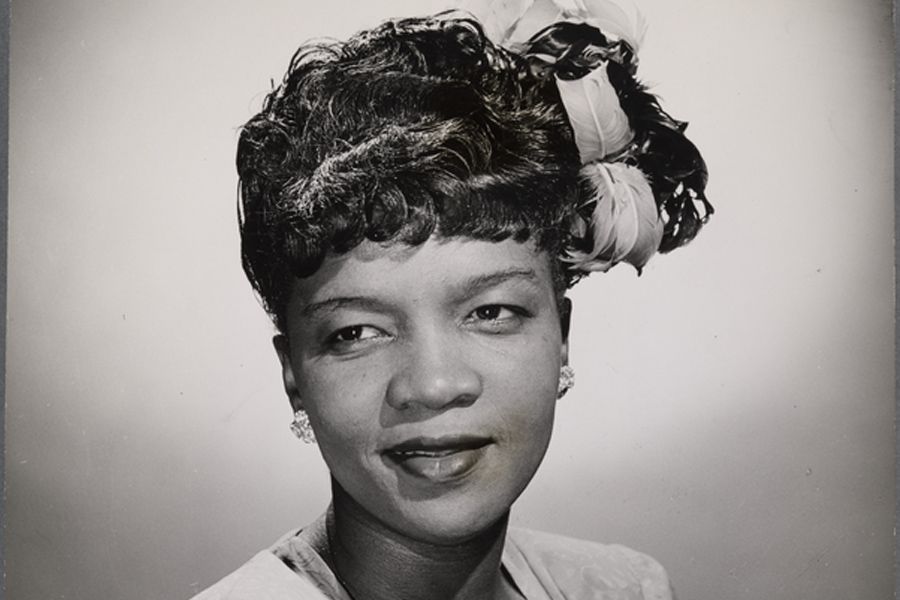
Nymarie Edith Jacques Helwig drew her first breath around January 1, 1895, in the lush, sun-drenched landscapes of Jamaica, then under British colonial rule. Born to Caleb and Elizabeth Helwig, she grew up in a modest family amid the island’s vibrant mix of rum fields, coastal breezes, and cultural rhythms. Details of her childhood remain veiled in the mists of time—perhaps spent in rural parishes like St. Ann or St. Catherine, where daily life revolved around agrarian toil and community bonds. Short on specifics, her early years embodied the quiet determination of Jamaican youth facing colonial constraints.
Opportunity called in her early 20s. Helwig, 21, made a solo transatlantic cruise in 1916 and arrived at Ellis Island. This movement echoed Caribbean dreamers heading to America’s cities. As an immigrant in New York, she may have worked as a seamstress or domestic worker, yet early censuses show her occupation as “none”. In the wake of World War I, Harlem became a refuge for Black and Caribbean people. Destiny brought Helwig to a union that would define her legacy.
Marriage and Blended Family Dynamics
On January 11, 1919, in Manhattan’s municipal halls, Helwig married Harold Charles Burton, a 30-year-old widower from Dominica. This alliance thrust her into instant motherhood, a role she embraced like a steady anchor in turbulent seas. Harold, who immigrated around 1906, had lost his first wife—possibly named Marie—to pneumonia in 1917, shortly after their third child’s birth. Left with young Rosetta (8), Mary Alice (4), and Wilmot (2), he found in Helwig a partner to mend the fractured home.
The couple’s Harlem residence pulsed with the energy of a blended household. By the 1920s, they welcomed two biological children: Joyce and Warren, expanding the family to seven under one roof. Census records from 1920 capture this quintet in a modest $30-per-month walk-up, Harold laboring as a plumber and electrician. Helwig’s days revolved around nurturing this mosaic—cooking hearty meals infused with Jamaican spices, overseeing schoolwork, and fostering unity amid grief’s remnants. No public rifts marred their story; instead, harmony prevailed, with Helwig’s stepmaternal care providing stability.
Harold’s income of $2,500 in 1930 equivalents supported the family as he rose to secretary at the New York City Board of Elections by the 1940s. Their move from Harlem to quieter Manhattan showed immigrant perseverance. Helwig’s Republican organisation membership and volunteer work quietly enriched the community.
Role as Stepmother and Family Influences
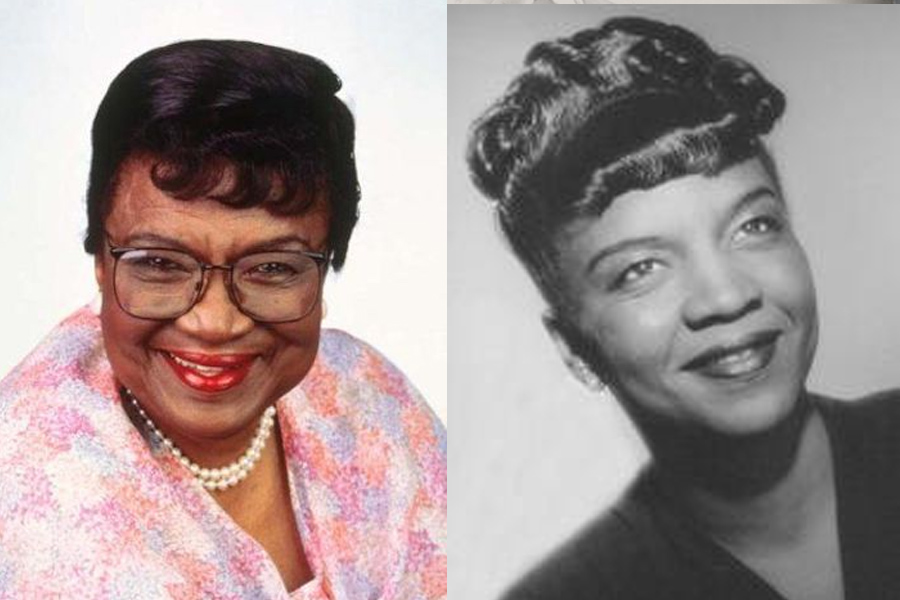
Helwig’s influence shone brightest in her stepchildren’s lives, particularly Rosetta Olive Burton LeNoire, born August 8, 1911. Orphaned young, Rosetta battled rickets, a childhood affliction overcome through dance lessons from godfather Bill “Bojangles” Robinson. Helwig’s supportive presence during these formative years in Harlem helped shape Rosetta’s resilience. The stepdaughter blossomed into a trailblazing actress, starring in Broadway’s all-Black Macbeth, The Jeffersons, and as Mother Winslow in Family Matters. Rosetta, who passed March 17, 2002, credited family fortitude for her advocacy in nontraditional casting and civil rights, founding the E Pluribus Unum Actors’ Theater (EGAT). Childless herself, she viewed her blended upbringing as a wellspring of strength.
Mary Alice Burton Francis, born in 1915 and died at 99 in 2014, lived privately. Census data shows her living with her family in the 1930s before marrying into the Francis line. Attending family gatherings kept her close to siblings. Wilmot Burton, born circa 1917, was raised by Helwig, but his adult life is unknown.
Biological children Joyce and Warren, born in the 1920s, mirrored their mother’s low-profile life. Raised in Manhattan’s melting pot, they appear in 1930 records but vanish from public view thereafter—likely pursuing trades or family lives away from spotlights. Helwig’s parents, Caleb and Elizabeth, represent distant Jamaican anchors, their working-class roots a foundation for her diaspora dreams. Extended family details remain sparse, but the Burton-Helwig blend exemplified Harlem’s cultural confluence during the Renaissance era.
Civic Engagement and Later Years
Helwig’s “career” defies expectations. She managed five children’s daily routines during the Roaring Twenties and Great Depression as a homemaker. By the 1940s and 1950s, Harold’s civil service job provided steady income—$5,000–$10,000 in modern dollars—so she entered civic work. She participated in Republican precinct and community drives, a traditional route for immigrant women in mid-century Manhattan. Her accomplishments were raising a thriving family despite odds, not prizes or publications.
Financially, the household hovered in working-class stability. Harold’s salary covered rents rising to $40 monthly by 1940, sustaining the septet through World War II and the civil rights dawn. Helwig’s later years, post-Harold’s 1971 death, unfolded in quiet solitude. She passed on January 1, 1976, in New York City, her 81 years a testament to endurance. Buried without fanfare, her legacy echoes through descendants’ stories.
Recent Mentions and Digital Footprint
In 2025, Helwig garners no direct news headlines—her 1976 passing renders her a historical footnote. Social media flickers faintly, tied to Rosetta’s tributes. August 2025 Instagram posts commemorating Rosetta’s birthday reference family origins, amassing over 50 likes in Black history groups. X searches yield silence; Facebook echoes Wikipedia snippets in heritage discussions. Broader online buzz bungles details, sometimes listing Helwig as biological mother, but balanced views affirm her step role without scandal.
YouTube offers indirect glimpses through Rosetta-focused content. A 1990s interview clip, around 4 minutes long, sees Rosetta reflecting on Harlem upbringing and family resilience. A 2020 biographical short, about 8 minutes, touches on blended dynamics. An archival 2018 excerpt, roughly 6 minutes, highlights godfather influences amid early losses. These videos, totaling around 80,000 views, provide spectral insights into Helwig’s nurturing shadow.
Extended Timeline of Life Events
| Year(s) | Event/Details |
|---|---|
| ~January 1, 1895 | Born in Jamaica to Caleb and Elizabeth Helwig. |
| Early 1910s | Adolescence in rural Jamaica amid colonial life. |
| ~1916 | Immigrates to the United States, settling in New York. |
| January 11, 1919 | Marries Harold Charles Burton in Manhattan; becomes stepmother to Rosetta (8), Mary Alice (4), and Wilmot (2). |
| 1920s | Births of daughter Joyce and son Warren; family resides in Harlem. |
| 1920 | Appears in U.S. Census with blended family; Harold works as plumber. |
| 1930 | Census records family in Manhattan; Harold’s income around $2,500 annually. |
| 1940s–1960s | Active in Republican organizations; supports Harold’s Board of Elections role. |
| 1971 | Husband Harold dies. |
| January 1, 1976 | Dies in New York City at age 81. |
| Post-1976 | Legacy tied to Rosetta LeNoire’s tributes and family remembrances. |