From Prepress to Finishing: How a Book Takes Shape
Every excellent book starts before printing. In prepress, files are examined, fonts embedded, graphics converted, and pages imposed for proper folding and trimming. Soft or hard proofs disclose errors before the run. Presses in production are calibrated for density, registration, and uniformity. Dry or cure sheets, fold, gather, and bind after printing. Finally, experts cut the book to a uniform size and apply lamination or foil stamping to protect and enhance the look. A book feels unified from cover to colophon when each step is tuned like an orchestra.
Paper Texture and Feel
Paper is the stage upon which every word and image performs. Its texture, sheen, and weight steer both appearance and tactile experience.
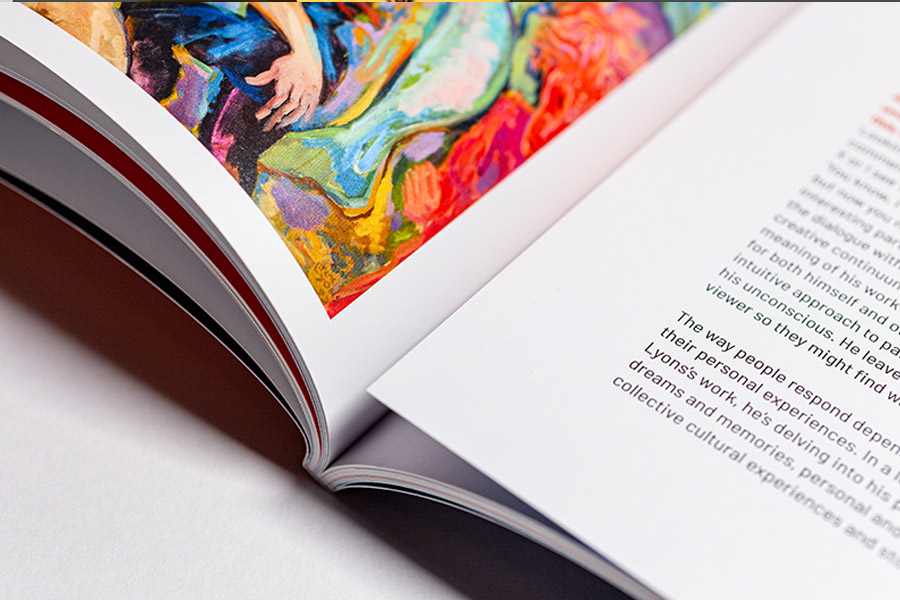
Coated papers have a smooth, sealed surface that holds ink near the top of the sheet. This yields crisp lines, richer blacks, and punchier colors. Gloss coating amplifies contrast and vibrancy, making photographs leap from the page. Silk and matte coatings soften reflections, balancing high detail with less glare. Coated stocks also resist dirt and moisture, improving durability in everyday handling.
Papers without coating have natural tooth. Ink softens edges and mutes colors in textiles, making them nice to look at. Reduced glare makes long reading easier in strong light. Designers might use lay or felt textures to create a tactile mood. Paper thickness and opacity matter. Lighter weights are better for economical runs and slim volumes, but heavier weights feel more substantial and prevent text-heavy page show-through.
Choosing between coated and uncoated is not a simple either-or decision. It is a question of intent. A cookbook brimming with high-saturation images thrives on coated stock. A poetry collection, where quietness and touch matter, often breathes better on uncoated.
Binding That Lasts
Binding is the backbone of the book, both literally and figuratively. The right method balances durability, aesthetics, and functionality.
Perfect binding is common for softcover titles. Pages are gathered, the spine edge is roughened, and a strong adhesive marries the text block to the cover. The result is a clean square spine, ideal for displaying a title and imprint. It is best suited to moderate page counts. Very thick or frequently handled books can experience spine stress over time, especially if opened forcefully.
Case binding, or hardcover, encloses the printed pages within rigid boards. A spine lining and endpapers contribute to strength and a long service life. Hardcovers endure frequent handling and can accommodate higher page counts with grace. They feel substantial, project permanence, and often lie reasonably flat after gentle use.
Saddle-stitching secures folded sheets with wire staples through the spine fold. It is efficient for slimmer publications such as booklets, pamphlets, and slim catalogs. Pages open broadly, though very thick saddle-stitched books resist lying entirely flat and may experience creep if pagination is not carefully planned.
Spiral binding uses a continuous plastic or metal coil looped through pre-punched holes. Pages rotate a full 360 degrees without stressing the spine, making this format practical for manuals, workbooks, and cookbooks that need to lie flat on a table. It is functional and durable, though less traditional in appearance.
Color Fidelity and Calibration
Color is the first impression and the lasting memory. Accurate reproduction signals care and professionalism. For brands, consistent palette handling keeps logos and themes intact across editions. For visual storytelling, faithful hues deepen engagement and emotional impact.
Achieving color accuracy begins with calibration. Printers use color management systems to unify screens, proofs, and presses so that the intended color lands where it should. Test forms, standardized targets, and controlled lighting help maintain balance from the first sheet to the last. High-resolution printing delivers smooth tonal transitions, crisp halftones, and clean gradients. Consistency across reprints matters just as much. When a second run matches the first, readers notice only the story, not a shift in shade.
Typography and Layout Discipline
Typography is the voice of the text. The right font, size, and spacing make words effortless to read and beautiful to look at. Serif faces often suit long-form reading, while sans serif options can freshen modern designs. Genre considerations matter. Children’s books invite playful, legible type with generous leading. Novels call for quiet clarity. Technical manuals demand hierarchy that guides the eye without distraction.
Good layout is invisible. Columns are the right width so that lines do not tire the reader. Tracking and leading support rhythm. Margins give breathing room, while consistent headers, footers, and folios anchor navigation. Grid systems keep elements aligned and the page composed. In production, precise alignment prevents ghosting and blur. Preflight checks catch missing fonts, low-resolution images, and improper bleeds before they become expensive errors.
Cover Finishes and Special Effects
Books’ covers sell their promise. Finishes reinforce that promise. A tactile signature and durability come from lamination. Photography and art-heavy covers benefit from gloss lamination’s luster and contrast. Matte lamination cuts reflections, giving memoirs and poems a smooth, understated look.
UV coating, either overall or as a spot effect, adds an extra layer of protection. Spot UV can highlight a title or image area with precise sheen against a matte backdrop. Foil stamping brings metallic brilliance that catches light like a beacon. Placing foil over matte lamination creates an elegant tension between soft touch and sharp sparkle. The right combination turns a cover into a keepsake, tough enough for daily handling and striking enough to stand out on a shelf.
Print Quantities and Production Models
Different publishing goals call for different production paths. Print-on-demand suits shorter runs and titles with unpredictable demand. It minimizes inventory risk and can keep backlist titles available without warehousing. Large runs, produced on high-speed presses, unlock economies of scale for established titles or launches with strong forecasts.
In-house project managers regulate schedule and quality better. Teams can swiftly make revisions and ensure color, trim, and binding match the plan with prepress, printing, binding, and finishing in one place. Final product details harmonize rather than compete, demonstrating continuity.
FAQ
What is the main difference between coated and uncoated paper?
Coated paper has a sealed surface that keeps ink near the top, producing sharper images, higher contrast, and greater vibrancy. Uncoated paper absorbs ink into its fibers, softening colors and reducing glare, which can improve long reading comfort and offer a more natural tactile feel.
Which binding should I choose for a heavily used book like a manual?
Case binding and spiral binding are both strong options. Case binding offers long-term durability with a traditional look. Spiral binding provides maximum functionality by allowing pages to lie perfectly flat and turn 360 degrees, which is often ideal for manuals and workbooks.
How do printers maintain color consistency across reprints?
They calibrate devices, use color management workflows, and rely on controlled proofing conditions. By standardizing ink density, maintaining consistent paper and press settings, and verifying results with test forms, printers align new runs with earlier ones so colors match closely.
What cover finish works well for a memoir or poetry collection?
Matte lamination is a popular choice for reflective, text-driven genres because it reduces glare and communicates a subtle, refined mood. It pairs beautifully with spot UV or foil stamping for accents that stand out without overwhelming the design.
When is perfect binding appropriate?
Perfect binding suits softcover books with moderate page counts. It creates a clean square spine that displays the title neatly. Very thick books or editions that will be opened and closed repeatedly may benefit from case binding for extra longevity.
How do print-on-demand and large-run printing differ in cost and logistics?
Print-on-demand reduces upfront expenses and inventories for low or fluctuating demand. Large-run printing reduces unit cost at bigger quantities and is best for known demand, definite deadlines, and thousands of uniform copies.