Routine veterinary care is usually the best first step when a pet is sick or injured. However, persistent symptoms, unusual test results, complex diseases, or major injuries may require more focused expertise. If your pet has severe breathing trouble, collapse, repeated seizures, heavy bleeding, suspected poisoning, or another life-threatening sign, seek immediate help from an emergency clinic such as a Miami emergency vet rather than waiting for a specialty consultation.
For non-emergency concerns, the right veterinary specialist can provide advanced testing, treatment options, and guidance that support your regular veterinarian’s care. The goal is not simply to find the closest specialist. It is to find a provider whose training, experience, clinic resources, communication style, and treatment approach fit your pet’s needs and your family’s circumstances.
What Does a Veterinary Specialist Do?
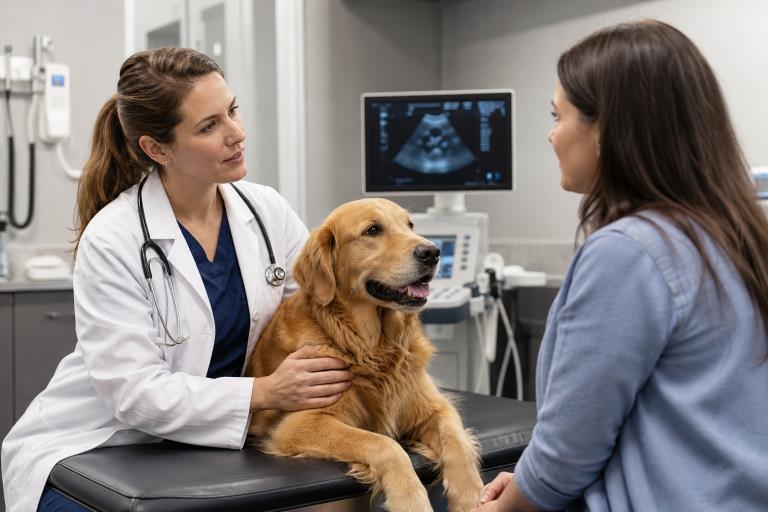
A primary care veterinarian manages wellness visits, preventive care, common illnesses, and many routine procedures. A veterinary specialist is a veterinarian who has completed additional training in a specific field and focuses much of their work on complex conditions within that area.
Many specialists are board-certified, meaning they have completed advanced education, supervised clinical training, and rigorous examinations through a recognized specialty organization. Pet owners can review common credentials and learn more about the role of specialty medicine through the American College of Veterinary Internal Medicine’s resources for animal owners.
Common Types of Pet Specialists
Understanding the main reason for referral can help narrow your search. Common specialty areas include:
- Internal medicine:Chronic digestive issues, kidney or liver disease, hormone disorders, immune conditions, and unexplained weight loss.
- Surgery:Orthopedic injuries, joint problems, soft-tissue procedures, abdominal surgery, and complex wound repair.
- Cardiology:Heart murmurs, irregular rhythms, heart failure, fainting episodes, and suspected heart disease.
- Neurology:Seizures, spinal injuries, weakness, balance problems, nerve disorders, and mobility changes.
- Dermatology:Severe allergies, chronic itching, recurring ear infections, skin infections, and hair loss.
- Oncology:Cancer diagnosis, treatment planning, chemotherapy, tumor management, and quality-of-life support.
- Ophthalmology:Eye injuries, corneal ulcers, vision changes, glaucoma, and complex eye disease.
- Rehabilitation:Recovery after surgery or injury, pain management, mobility support, and conditioning plans.
Start With Your Pet’s Main Health Question
Before calling clinics, define what you need help solving. A clear summary makes it easier for your primary veterinarian and prospective specialist to determine whether the referral is appropriate and how quickly your pet should be seen.
Questions to Answer Before You Search
- What symptoms are still happening, and when did they begin?
- Have the symptoms improved, stayed the same, or become worse?
- What tests, medications, diets, or procedures has your pet already received?
- Do you need a diagnosis, surgery, long-term management, rehabilitation, or a second opinion?
- Are there breed, age, size, anxiety, mobility, or travel concerns that may affect care?
Ask Your Primary Veterinarian for Guidance
Your regular veterinarian knows your pet’s medical history and can often recommend the specialty most relevant to the problem. Ask whether the situation is urgent, whether a referral is required, and which records should be sent before the appointment. Request copies of lab results, imaging reports, medication lists, visit notes, and relevant treatment history.
Strong collaboration between the owner, primary veterinarian, and specialist can reduce delays and unnecessary repeat testing. It also helps ensure that everyone understands who is handling follow-up care, medication refills, and future monitoring.
Check Credentials, Experience, and Clinic Resources
Credentials matter, but they are only one part of a good decision. When comparing providers, consider the full picture:
- Confirm the veterinarian is licensed and identify any board certification relevant to your pet’s condition.
- Ask how often the specialist treats the specific disease, injury, or procedure involved.
- Find out whether they have experience with your pet’s species, breed, age, and size.
- Ask what diagnostic tools are available, such as ultrasound, CT, MRI, endoscopy, advanced laboratory testing, or rehabilitation equipment.
- Learn whether the clinic can hospitalize and monitor patients when needed.
- Confirm how the specialist will communicate findings and treatment plans to your primary veterinarian.
Review the Clinic Before Booking
A highly qualified specialist may still be a poor practical fit if the clinic cannot meet your pet’s needs. Consider location, travel time, appointment availability, parking, accessibility, emergency instructions, and whether the team can accommodate a fearful, large, painful, or mobility-limited pet.
Also, ask about the clinic’s communication process. Will updates come by phone, text, email, or a written discharge plan? The AAHA guide to choosing a veterinary practice offers additional points to consider, including availability, services, accessibility, and emergency planning.
Read Reviews With Care
Reviews can reveal useful patterns, especially when they describe communication, follow-up, wait times, handling of anxious pets, and clarity around costs. Look for detailed feedback from owners whose pets had needs similar to yours. Avoid judging a practice solely by its overall star rating or one highly emotional review. A consistent pattern across many reviews is usually more informative.
Questions to Ask Before the First Appointment
- Which records, images, and lab results should be sent in advance?
- How long should the first appointment take?
- Will prior imaging and test results be reviewed before new tests are recommended?
- What additional diagnostics may be necessary?
- What treatment options are available, including benefits, risks, and expected outcomes?
- What costs should we expect for the consultation, testing, medication, hospitalization, and procedures?
- Who should we contact if our pet worsens at home?
- How will the specialist coordinate future care with our regular veterinarian?
Compare Costs and Prepare for the Visit
Ask for a written estimate before approving diagnostics or treatment whenever time allows. Separate the consultation fee from testing, surgery, medications, hospitalization, and follow-up visits. Ask whether additional findings could change the estimate, what payment methods are accepted, and whether insurance documentation can be provided. Cost should not be the only deciding factor, but clear financial information helps families make informed choices.
Prepare by writing down when symptoms began, bringing a complete list of medications and supplements, and saving short videos of coughing, limping, seizures, unusual movement, or behavior changes. Bring records if they were not sent ahead, follow fasting instructions carefully, and use a secure carrier, harness, or leash. A familiar blanket or toy may help a nervous pet feel safer.
When a Second Opinion May Help
A second opinion can be valuable when the diagnosis remains uncertain, a recommended procedure is high-risk, your pet is not improving, or the treatment plan does not align with your goals. It can also provide a clearer explanation of alternatives. However, do not postpone urgent treatment for a second opinion when your pet is experiencing a fast-moving emergency.
Final Checklist
- Identify your pet’s main medical concern.
- Ask your primary veterinarian which specialty is appropriate.
- Verify training, experience, and relevant clinic capabilities.
- Compare communication, travel needs, availability, and costs.
- Send records and prepare questions before the visit.
- Choose a specialist who explains the plan clearly and treats your pet with patience and respect.
Choosing a veterinary specialist is easier when you begin with a clear health question and use your primary veterinarian as a partner in the process. The best choice combines appropriate expertise with practical support, transparent communication, and a plan that gives both your pet and your family confidence about what comes next.