Key Takeaways:
- Local tree care boosts urban aesthetics and environmental health.
- Community participation is a major driver of successful tree planting efforts.
- Expert services guarantee the vitality and safety of Pittsburgh’s urban trees.
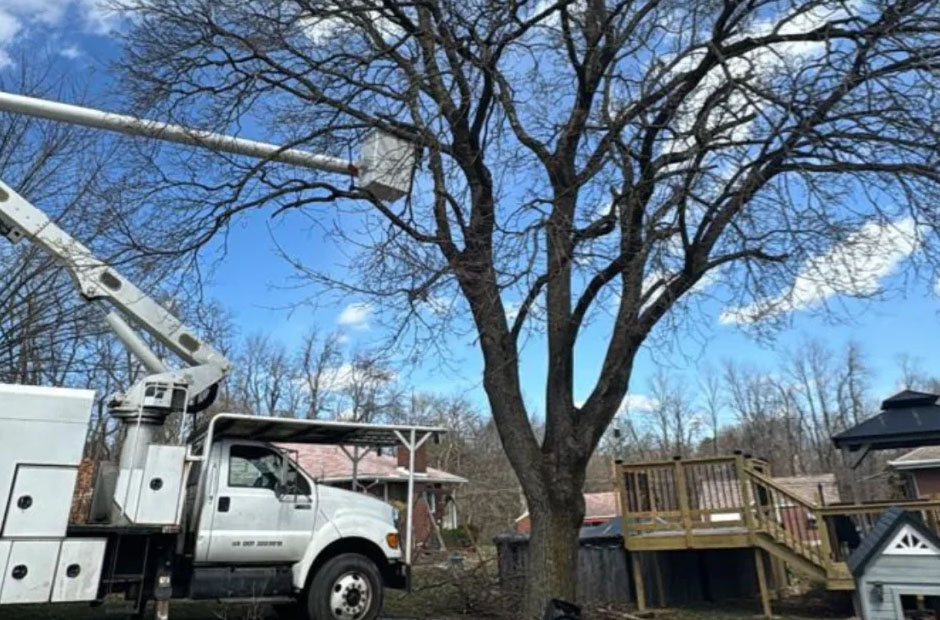
Pittsburgh’s neighborhoods are renowned for their rich and varied tree canopy, which adds natural beauty and environmental benefits to the city. The continued vitality of these urban forests depends on dedicated care and stewardship. For those looking for expert assistance, tree service in Pittsburgh, PA from Tripoli Tree Care offers specialized care and maintenance throughout the region. Tripoli Tree Care stands out for its expertise in pruning, removal, disease management, and consulting, making it a top choice for residents and businesses seeking responsible, highly skilled tree care in Allegheny County and beyond. Leveraging years of experience and a reputation for reliability, Tripoli Tree Care helps maintain Pittsburgh’s green infrastructure, contributing to a cleaner, safer, and more beautiful cityscape.
Beyond enhancing the city’s beauty, healthy urban trees play a vital role in air purification, shade creation, and temperature regulation. Thoughtful maintenance and strategic planting initiatives not only improve curb appeal but also support a more sustainable, livable urban environment for residents. By working with professionals with deep local expertise, property owners can be confident that their landscaping choices support the entire neighborhood’s well-being in the long term.
Investment in urban tree care is not just an environmental or aesthetic consideration. It is also a community-building endeavor. Efforts to plant, nurture, and protect trees rely on collaborations between city agencies, local businesses, and residents, weaving a shared sense of responsibility and collective pride in Pittsburgh’s green spaces.
The Importance of Urban Tree Canopy
Urban trees are far more than scenery. In densely developed areas, a thriving tree canopy provides shade in summer, lowers energy consumption, and lessens the urban heat island effect. These trees also absorb pollutants and filter particulates from the air, creating healthier environments for residents. Pittsburgh’s ReLeaf Program is actively championing the expansion and preservation of tree cover, particularly in neighborhoods with limited green space. This approach addresses inequalities in canopy coverage, so all city residents benefit from cooler streets, cleaner air, and the calming presence of mature trees.
Community Engagement in Tree Planting
The most successful urban forestry efforts involve residents. Community-driven events, such as planting days in neighborhoods like Homewood, bring people together, build awareness, and foster stewardship. Local volunteers often partner with city agencies or nonprofits, ensuring trees are planted thoughtfully and cared for during their critical first years. These activities extend beyond planting: watering, mulching, and long-term observation are crucial to tree survival, especially amid urban stresses. One standout example is Pittsburgh’s approach to neighborhood climate resilience, which incorporates both resident engagement and ongoing education.
Professional Tree Care Services
Healthy urban forests rely not only on volunteers but also on skilled professionals. Certified arborists and tree care companies provide services that ensure both safety and longevity for Pittsburgh’s trees. Regular pruning maintains shape and removes hazardous limbs, while disease and pest management help prevent outbreaks that can devastate the local canopy. When a tree is unsafe or dying, careful removal safeguards property and passersby. Ongoing evaluations from experts mean small issues are caught early, protecting a neighborhood’s investment in its leafy infrastructure.
Challenges in Urban Tree Maintenance
Maintaining a thriving urban tree canopy comes with unique challenges. City trees contend with compacted soils, irregular watering, vehicle and construction damage, and exposure to salt or pollutants. They are also vulnerable to pests such as the emerald ash borer and to diseases such as Dutch elm disease. Beyond natural threats, urban development can threaten mature trees and limit new planting opportunities. Regular monitoring, soil health assessments, and quick responses to threats are key strategies for overcoming these challenges and preserving the benefits these trees provide to all city residents.
Benefits of a Healthy Urban Forest
A strong urban forest brings measurable improvements to quality of life and property values. Trees support urban biodiversity, provide essential habitats for birds and pollinators, and create more inviting public and private outdoor spaces. Studies show neighborhoods with mature trees experience lower crime rates and heightened community pride. In addition, trees intercept rainwater and reduce runoff, playing an important role in managing local stormwater and limiting erosion.
Future Directions for Pittsburgh’s Urban Forestry
Looking ahead, Pittsburgh’s urban forestry goals focus on equity and sustainability. Continued investment is required to replace aging trees, expand green cover in underserved neighborhoods, and ensure a diverse mix of species resilient to future challenges. Enhanced policies, public education, and milestone-based community programs will be pivotal in growing and sustaining Pittsburgh’s urban forests for decades. As residents and city planners work together, a thriving, inclusive canopy will remain a hallmark of local neighborhoods.
Frequently Asked Questions
Why is tree care important in urban areas?
Tree care preserves the health and safety of urban trees, ensuring they can offer environmental improvement and enhance neighborhood character for everyone.
How can residents get involved in local tree planting initiatives?
Joining community tree planting events, volunteering with local organizations, and advocating for more green space are effective ways for residents to contribute.
What services do professional tree care companies offer?
Professional services include strategic pruning, tree and stump removal, disease and pest management, and site consultations to help trees flourish.
Committing to excellent tree care and fostering a culture of collaboration, Pittsburgh’s neighborhoods will continue to benefit from healthier ecosystems, increased property values, and strong community ties rooted in their green surroundings.