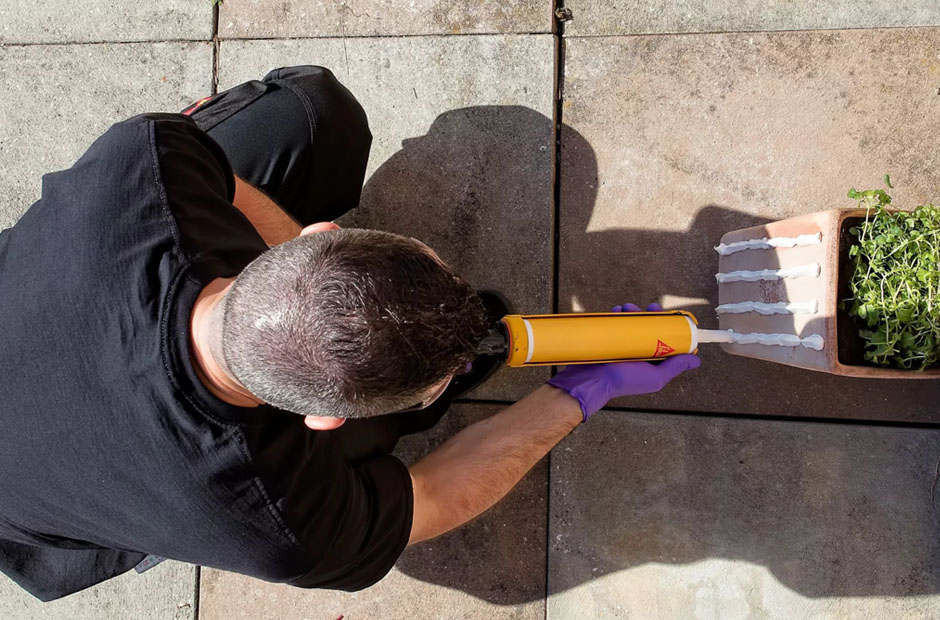
Construction adhesives have become pivotal in modern building projects, offering enhanced efficiency, durability, and design flexibility. As builders seek better materials and techniques, advanced adhesives like the high-strength F26 solution are making a significant impact on the construction industry. These adhesives enable cleaner finishes, faster completion times, and stronger structures, while reducing reliance on traditional mechanical fasteners. The drive for innovative building methods continues to accelerate, with adhesives providing engineers and contractors with new tools to deliver robust results more quickly. As more projects focus on energy efficiency and sustainability, adhesives play a key role in meeting both regulatory requirements and customer expectations. This shift is not just innovation for innovation’s sake; it fundamentally changes how construction is approached, enabling the development of creative designs and stronger, more durable buildings.
Introduction
The construction industry is at a pivotal moment, with technological advancements changing how buildings are planned and executed. As architects and builders seek to improve both project outcomes and efficiency, construction adhesives have emerged as a leading solution, especially compared with the more cumbersome, less flexible mechanical fastening methods of the past. These bonding technologies not only improve final project quality but also offer significant savings in labor and materials. In addition to improving aesthetics, adhesives can enhance a building’s thermal and energy performance, an essential factor in sustainable construction decisions. The rise in popularity of construction adhesives reflects the broader movement toward smarter, greener buildings.
The Rise of Construction Adhesives
Mechanical fasteners like nails, screws, and bolts have long been staples of the building trades. However, they have limitations in terms of installation speed, visible surface blemishes, and uneven stress distribution, which can compromise both durability and design. The increased adoption of construction adhesives directly addresses these challenges. By distributing stress uniformly across bonded surfaces and enabling seamless joins, adhesives result in stronger, longer-lasting assemblies and a more streamlined appearance. Advances in chemical engineering have expanded the capabilities and range of adhesives, making them useful for bonding materials that previously could not be joined with traditional methods. This transformation is supported by broader sector trends, such as the need for faster installations, improved structural integrity, and greater material versatility.
Types of Construction Adhesives
Understanding the main types of construction adhesives is crucial for selecting the right product for each application:
- Polyurethane Adhesives:Valued for their exceptional bond strength and flexibility, these adhesives are ideal for both interior and exterior projects and work well on a variety of surfaces, including wood and metal.
- Epoxy Adhesives:Renowned for high strength, resilience, and resistance to harsh chemicals. Epoxies are a top choice for structural bonds that must withstand significant stress and environmental exposure.
- Acrylic Adhesives:With fast-setting times and good compatibility with plastics, glass, and metals, acrylic adhesives are prized for jobs that demand rapid assembly and minimal downtime.
- Silicone Adhesives:Experts recommend silicone adhesives where flexibility and resistance to extreme temperatures or moisture are required, such as exterior sealing and bathroom installations.
Benefits of Using Construction Adhesives
- Enhanced Durability:Adhesive bonds distribute load and vibrations evenly across surfaces, making them more resistant to breaking and deformation.
- Improved Aesthetics:Without the protrusions and blemishes of nails or screws, surfaces appear smoother and more visually appealing.
- Increased Efficiency:The reduced installation time of adhesives helps projects stay on tight deadlines, benefiting both commercial and residential builds.
- Material Versatility:Adhesives bond materials previously considered incompatible. This flexibility allows greater freedom in both design and material selection.
Applications in Modern Construction
Modern adhesives are now standard in numerous aspects of building construction:
- Panel Bonding:Used for exterior and interior wall panels, which reduces reliance on traditional fasteners and improves energy performance.
- Flooring Installation:Securely bonds various flooring types to subfloors, resulting in quieter, longer-lasting floors.
- Insulation Attachment:Keeps insulation in place over decades, reducing unwanted air leaks and supporting better building envelope performance.
- Window and Door Installation:Adhesives help create airtight and watertight seals, necessary for maximizing a home or office’s energy efficiency.
Further examples of real-world applications and best practices in adhesive bonding are available from Leech Adhesives, an industry authority.
Sustainability and Environmental Impact
Modern construction adhesives have evolved to reduce environmental impact, with manufacturers developing low-VOC (volatile organic compound) formulations that comply with stringent environmental regulations. Not only do these advances make adhesives safer for construction crews, but they also help create healthier indoor environments for building occupants.
Additionally, by improving insulation and reducing air leaks, adhesives boost a building’s overall energy efficiency. This leads to lower energy consumption for heating and cooling, which aligns with global efforts to reduce greenhouse gas emissions and meet sustainability goals. The widespread use of adhesives thus contributes to greener and more responsible construction.
Future Trends in Construction Adhesives
Looking ahead, the construction adhesives market is expected to surpass $16 billion by 2033, driven by increased demand for smart building solutions and eco-friendly products. New developments include bio-based adhesives derived from renewable resources and smart adhesives capable of self-healing or changing properties under specific environmental conditions. These innovations promise to further improve durability, safety, and sustainability in construction.
Conclusion
Construction adhesives have transformed how modern buildings are designed, assembled, and maintained. By delivering stronger bonds, versatile applications, and supporting sustainability efforts, they provide key benefits to both developers and occupants. As new adhesive technologies emerge, their role in the construction sector will only continue to grow, ensuring that future buildings are even safer, more efficient, and environmentally responsible.