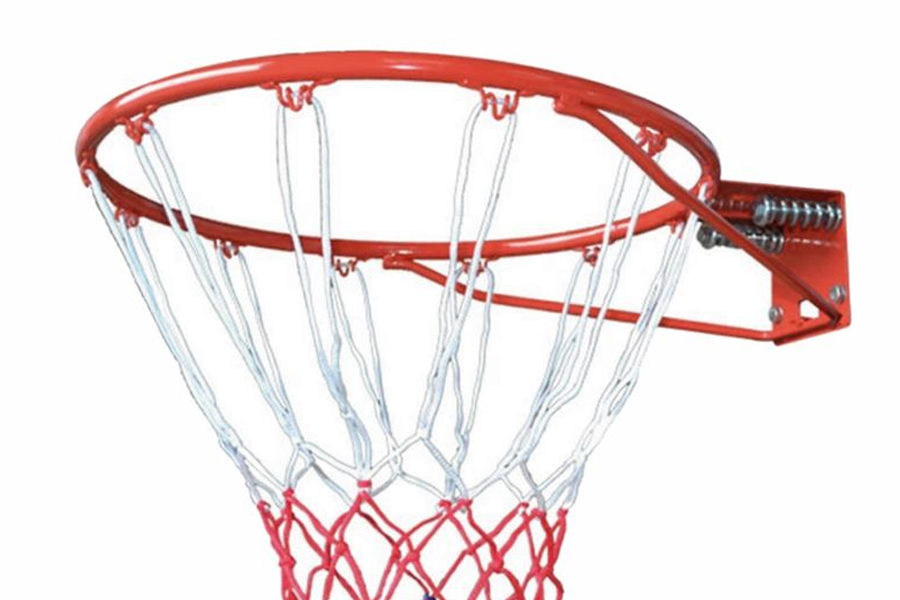
Rituals Around the Rim
Teams thrive on shared rituals, the small routines that turn a loose group into a tight circle. A basketball ring becomes a gathering point for these moments. Warmup shoot-arounds, last-shot traditions, and casual trick-shot attempts form a rhythm that feels familiar and safe. Over time, these repeated practices become the team’s signature. They anchor identity, establish predictability, and embed trust. Even a quick shoot before heading home can feel like a signal that says we are in this together. The hoop is not just equipment. It is a common stage where camaraderie is rehearsed and renewed.
Conversation in Motion
Communication grows where people move together. Around a basketball ring, verbal cues and body language flow freely. Players call for passes, point to spaces, and read the timing of a cut or a shot. This continuous feedback loop builds attentiveness and accelerates learning. It is a low-pressure place to refine clarity and listening without formal scripts. As teammates learn to sense each other’s intentions on the court, they carry that anticipation into meetings, projects, and group tasks. The ball becomes a social compass, guiding collaboration with each bounce.
A Pressure Valve for Teams
Stress derails performance and frays relationships. The simple act of shooting a ball can release tension and reset mood. Short hoop breaks invite endorphins, oxygen, and perspective. Anxiety fades as focus narrows to footwork, arc, and follow-through. In a workplace, this quick reset improves patience and tone. In a sports context, it eases performance nerves. The ring is a friendly pressure valve, always ready, always open. It encourages a healthy rhythm of effort and recovery, letting teams breathe together when the day gets heavy.
Gentle Rivalry that Fuels Drive
Healthy competition inspires without separating. Light trials in a basketball ring enhance skills without high stakes. Free throw contests, H-O-R-S-E, and knockout simultaneously entertain and focus. Celebrate wins, learn from misses, and reduce failure dread. Newer or quieter members feel comfortable participating. This friendly competition pushes everyone forward. It makes incentive communal rather than individual.
Shared Fitness, Shared Pride
Group fitness goals create accountability and pride. Installing a ring in a school, office, or community space invites collective participation. Teammates can track shooting accuracy, expand range, or design mini circuits that build stamina and skill. As members support one another’s progress, barriers fall and bonds strengthen. Fitness becomes a story of mutual effort, not personal grind. When the group owns the goal, encouragement is natural, and improvements are celebrated together. The hoop makes movement sociable, purposeful, and fun.
A Playground for Ideas
Basketball rings are surprisingly fertile ground for creativity. Teams invent new drills, tweak rules, and design challenges that reflect their personality. The hoop becomes a sandbox where ideas are tested with immediate feedback. In offices or youth programs, this playful experimentation breaks routine and sparks ingenuity. People contribute concepts and shape activities, which builds ownership and pride. Creative energy around the ring often spills into other work, shifting mindsets from rigid to curious.
Everyone Gets a Shot
A basketball ring welcomes all skill levels. You can join just by taking a shot or cheering on a friend. Without formal uniforms or playbooks, intimidation drops and participation rises. This open invitation reinforces a powerful message: everyone belongs. Inclusivity cements team spirit because it allows individuals to see their value within the group. When the environment is accepting, people lean in, speak up, and show up. The ring models a culture where presence is as important as performance.
Mentorship at the Rim
Small coaching moments often reveal leadership. Experienced players patiently teach newcomers posture, release, and rhythm around a hoop. Lessons from peers create trust and confidence. No one forces leaders. They appear when someone helps. This promotes empathy, initiative, and humility. As mentorship spreads, collective resilience increases. Skills, relationships, and teamwork improve on and off the court.
Breaks That Build Bonds
Downtime is where people discover each other. A few minutes of shooting transforms a break into a shared experience. Conversations flow naturally. Laughter lands softly. Stress recedes. These small pockets of connection make working together easier when pressures return. Teams that bond in casual moments tend to handle conflict with more grace and creativity. The hoop turns idle minutes into meaningful ones, giving social glue time to set and strengthen.
Confidence in Every Arc
Confidence often rises in tiny steps. A clean swish, a tougher shot nailed, a smoother release than yesterday. Basketball rings create countless micro wins. As people collect these moments, self-belief grows. Teammates notice and celebrate. The effect multiplies. Courage spreads through the group as members take on challenges with steadier nerves and wider smiles. The rim becomes a mirror that reflects progress back to the shooter, one arc at a time.
The Moments Teams Remember
Team histories are woven from unforgettable threads. Many threads come from the hoop. Last-second practice buzzer-beater. New member sinks first layup. A long-range shot that drops after dozens of attempts. These moments become legend. They remind people of distances walked together. A continuous, familiar ring frames these events so they can be repeated season after season.
FAQ
Why add a basketball ring to a non-sports environment?
A hoop invites movement, conversation, and play. It supports wellness, reduces stress, and creates a casual space where people can connect. The simple act of shooting becomes a ritual that strengthens culture. Teams benefit from shared micro-moments that foster trust, creativity, and collaboration.
How can teams keep competition healthy around the hoop?
Set friendly norms that focus on effort and learning. Rotate participants so everyone gets turns. Keep scores light and celebrations generous. When programs prioritize inclusion and fun over winning, competition becomes a source of energy rather than friction.
What if some team members do not play basketball?
Participation can be simple. People can rebound, keep time, cheer, or try low-pressure shooting games. Encourage small goals like making one shot. The aim is shared experience, not high skill. A welcoming tone helps hesitant members feel comfortable joining at their own pace.
How often should teams use the ring for team building?
Short, regular touchpoints work well. Five to ten minutes during a break can refresh energy and focus. Weekly mini sessions can deepen bonds and skills. The key is consistency without obligation. Frequent small doses keep morale high and make the hoop feel like a natural part of team life.