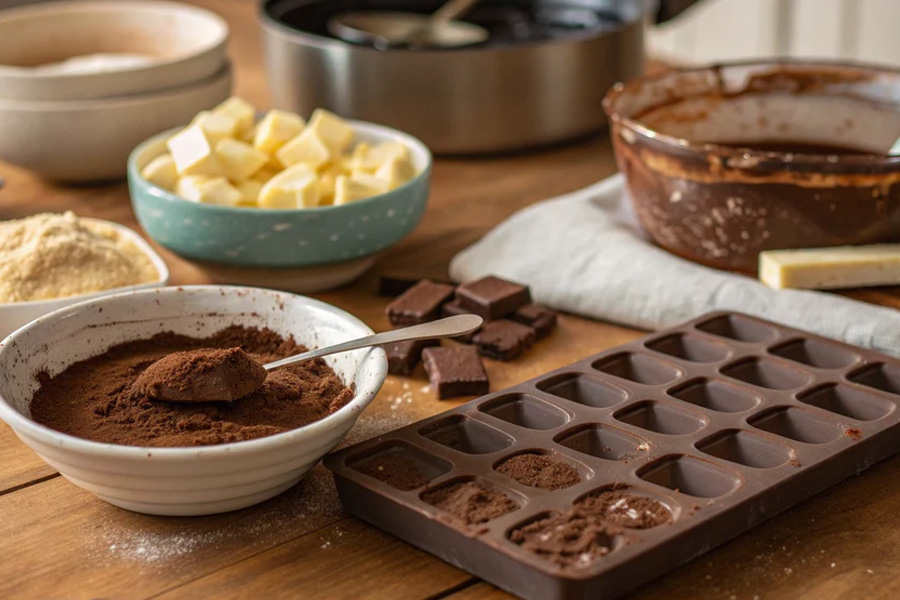
What Bean to Bar Really Means
Bean to bar is a hands-on approach to chocolate where makers oversee every step, from selecting raw cacao to pouring finished bars. Instead of relying on preprocessed cocoa liquor or bulk blends, craft producers choose specific beans, design roast profiles, and balance textures and flavors themselves. It treats cacao like a fine agricultural ingredient, shaped by origin, harvest practices, and careful handling. The result is chocolate with distinct character, not a one-note sweetness.
Sourcing Cacao with Intention
Great chocolate begins with thoughtful sourcing. Makers build relationships with farms or cooperatives, often paying premiums for well-fermented, clean, high-flavor beans. Genetics, soil, rainfall, and microclimate all influence the final taste. Beans from one valley can sing with bright citrus, while another region leans nutty or floral. Like wine, terroir matters. The aim is to honor both the farmer’s work and the bean’s potential.
Cleaning and Sorting for Consistency
When sacks of cacao arrive, they do not go straight to the roaster. First comes cleaning and sorting to remove stones, twigs, and damaged beans. Some makers separate beans by size for even roasting. This quiet stage shapes everything that follows. A few flawed beans can add bitterness or harsh notes that no later step can fully erase.
Roasting to Sculpt Flavor
Roasting is where chocolate’s voice is tuned. Heat triggers chemical changes that shift raw cacao’s earthy, acidic edges toward deeper, rounder flavors. Makers adjust time and temperature by origin, moisture, and desired outcome. Lighter roasts preserve delicate fruit or floral tones. Darker roasts bring bolder cocoa notes to the front. Roasting also loosens the shells, preparing the beans for clean separation.
Cracking and Winnowing the Beans
After roasting, beans are cracked and winnowed to separate nibs from shells. The nib is where the magic lives, made of cocoa butter and cocoa solids that become chocolate. Clean nibs mean a smooth texture and balanced flavor. Shells are removed to avoid bitterness, then often composted or used for tea and brewing projects.
Refining: From Nibs to Silky Mass
Grinding turns nibs into a thick paste called cocoa liquor. Friction melts cocoa butter naturally present in the nibs, creating a fluid mass that grows smoother over time. Refining tools vary. Stone melangers knead slowly, roll refiners press particles smaller, and ball mills polish the texture. Sugar, and sometimes milk powder or vanilla, may be added depending on the style. Most craft makers aim for particles below 20 microns, small enough to feel silky on the tongue.
Conching: Time, Heat, and Air
Conching is a patient dance of motion and air. The chocolate is stirred for hours or days to round sharp edges, lift harsh acidity, and develop a cohesive flavor. Warmth helps evaporate unwanted volatiles. Cooler conditions can preserve fragile aromatics. There is science here, but also intuition. Makers learn to read aroma, viscosity, and taste signals to decide when the chocolate is ready. Think of conching as smoothing a river stone until it fits perfectly in the palm.
Tempering: The Science of Shine and Snap
Tempering aligns cocoa butter crystals into a stable form that sets firm, glossy, and snappy at room temperature. Done wrong, chocolate looks dull or streaked and feels chalky or soft. The process follows a precise curve. Heat to melt all crystals. Cool to encourage the right crystal form to appear. Warm slightly to reach the working temperature for molding. This crisply structured crystal network is what makes excellent bars break clean and melt evenly.
Molding and Cooling with Care
Tempered chocolate flows into molds that determine the bar’s final shape. Gentle vibration removes trapped air so the surface sets smooth. Cooling is controlled to lock in the crystal structure. Cooling tunnels or temperature-stable rooms help maintain consistency. Once set, bars are released, inspected for flaws, and ready for their wrap.
Packaging that Protects and Tells a Story
Chocolate is sensitive to heat, humidity, and odors, so packaging must shield it from the elements. Makers use foil-lined paper or modern compostable barriers to protect aroma and texture. The outside also matters. Labels can share origin details, farm partners, and tasting notes, helping people connect with the journey from tree to bar.
Why Bean to Bar Matters
Tracing every step creates transparency and supports fairer pay for growers. It also cuts a path for sustainability, encouraging careful fermentation, gentle drying, and biodiversity on farms. In the workshop, control over roasting, refining, and conching lets makers explore flavor without masking it. Consumers taste cacao’s true voice rather than a standardized blend. The value is cultural as well as culinary. It recognizes farmers as co-authors of flavor and invites eaters to notice what makes one origin unlike another.
The Flourishing Culture of Craft Chocolate
Curiosity fuels the craft chocolate movement. Tastings and tours help people learn how origin, roast, and texture shape what they experience on the palate. Single-origin bars highlight distinct places. Blends can harmonize multiple notes. Makers experiment with inclusions like sea salt, spices, nuts, and dried fruit to frame rather than overpower the cacao. Like specialty coffee or craft beer, chocolate has become a landscape to explore. Each bar is a map with its own topography.
FAQ
What does bean to bar mean?
It means the chocolate maker manages the full journey from raw cacao beans to finished bars, rather than purchasing preprocessed cocoa liquor or mass-market chocolate. The maker chooses the beans, roasts them, refines, conches, tempers, and molds the chocolate.
Is bean to bar the same as single origin?
No. Bean to bar describes the process and control. Single origin refers to where the cacao comes from, such as a specific country, region, or farm. Many bean to bar chocolates are single origin, but not all.
Why does roast level matter?
Roast level steers the flavor. Lighter roasts can preserve citrus, berry, or floral notes. Darker roasts highlight deeper cocoa, nut, or caramel tones. The right roast depends on the bean and the flavor the maker wants to emphasize.
What is the difference between refining and conching?
Refining reduces particle size to create a smooth texture. Conching mixes and aerates the chocolate over time to mellow harshness, release unwanted volatiles, and knit flavors together. Refining is about feel. Conching is about feel and flavor.
Why is tempering necessary?
Tempering creates a stable cocoa butter crystal structure. Properly tempered chocolate looks shiny, breaks with a clean snap, resists bloom, and melts consistently in the mouth. Without tempering, bars can turn dull, streaky, or crumbly.
How should I store bean to bar chocolate?
Keep it cool, dry, and away from strong odors. Aim for 60 to 70 degrees Fahrenheit with low humidity. Avoid the refrigerator unless the room is hot, and then seal the bar in an airtight container to prevent moisture and odor absorption.
Does bean to bar guarantee ethical sourcing?
Not automatically. Bean to bar makes traceability easier, and many craft makers prioritize fair pay and environmental care. It is still important to look for sourcing details and commitments shared by the producer.
Why do some bars taste fruity or floral without added flavors?
Cacao naturally carries complex aromatic compounds shaped by genetics, soil, and fermentation. Careful roasting and processing can reveal notes like red fruit, citrus, jasmine, or honey without any flavor additives.