Key Takeaways
- Comprehensive planning and scheduling are fundamental to successful construction project management.
- Effective communication and collaboration among stakeholders prevent misunderstandings and delays.
- Proactive risk management and quality control are essential for maintaining project integrity.
- Adapting to technological advancements enhances efficiency and accuracy in construction processes.
Successful construction projects are usually not the result of luck; they come from careful planning, coordination, and execution. Project management in construction requires both technical knowledge and strategic oversight. This involves balancing timelines, budgets, resources, and the complex interactions among various stakeholders. Each stage of the process, from initial design to final inspection, requires foresight and adaptability to ensure that the project runs smoothly while upholding quality and safety standards.
One essential aspect of successful project management is fostering collaboration between architects, engineers, and contractors, a principle exemplified by professionals like Tutor Perini, whose approach emphasizes structured planning and rigorous oversight. By studying these practices, construction teams can better navigate challenges, mitigate risks, and deliver projects that align with both design intent and practical realities, ultimately turning blueprints into enduring achievements.
Comprehensive Planning and Scheduling
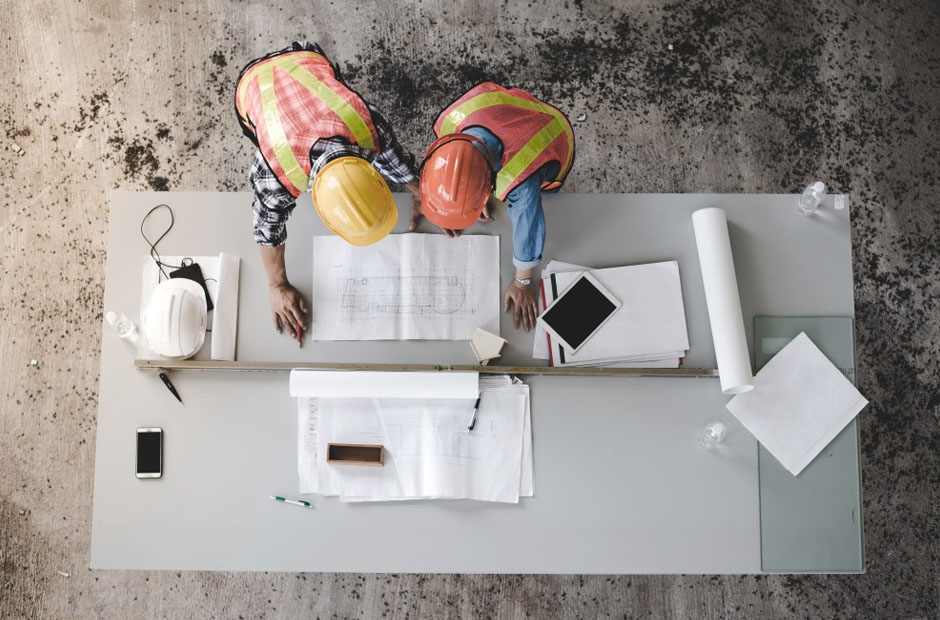
When laying the groundwork for a construction project, comprehensive planning and scheduling cannot be overlooked. Each project must be broken down into phases, tasks, and milestones. Project managers use specialized scheduling tools, such as Gantt charts and critical path method analyses, to organize tasks, define interdependencies, and establish clear timelines. This level of detail prevents confusion and costly delays as the project progresses.
Effective Communication and Collaboration
Projects of any significant scale require the expertise and cooperation of varied stakeholders: owners, architects, engineers, contractors, and suppliers, all of whom must be on the same page. Project managers act as the primary communicators, bridging gaps between these parties and orchestrating decision-making processes. Regular site meetings, clear documentation, and ongoing feedback are essential for preventing misunderstandings and fostering teamwork.
Risk Management and Problem-Solving
No construction project proceeds without encountering unexpected challenges. These range from shifting regulatory requirements and weather disruptions to supply chain bottlenecks and labor shortages. Skilled managers proactively identify risks, establish contingency plans, and maintain agile problem-solving protocols. Their ability to adjust and overcome issues directly affects the project’s adherence to both the timeline and the budget.
Quality Assurance and Control
Delivering exceptional construction quality requires vigilance and adherence to industry standards throughout all phases of the build. Quality assurance processes begin with careful material selection and continue with regular on-site inspections. Project managers collaborate with inspectors and trade professionals to identify and correct any deviations, ensuring that the final product is safe, resilient, and meets specifications.
Timely Execution and Resource Optimization
Meeting deadlines without sacrificing quality is a defining trait of strong project management. This involves not only monitoring progress but also optimizing the deployment of personnel, equipment, and materials. By coordinating these resources wisely, teams avoid bottlenecks and costly downtime. Accurate scheduling and close monitoring of milestones help ensure each phase of the project progresses smoothly, keeping stakeholders confident in the project’s delivery.
Adapting to Change
Construction projects rarely go exactly as originally planned. Market fluctuations, new client requirements, or unexpected site conditions can all necessitate quick pivots in approach. Experienced project managers foster flexibility within their teams and use change management processes to evaluate alternatives, implement necessary modifications, and keep all parties up to date on evolving plans. Agility and resilience are core to successfully managing the surprises inherent in any build.
Financial Management and Budget Adherence
Financial discipline is central to project success. Project managers routinely monitor budgets, forecast costs, and manage expenditures to ensure fiscal responsibility. They balance the need to stay within budget while maintaining high standards across materials, labor, and safety. Strategic purchasing, careful subcontractor selection, and diligent expense tracking are just a few of the ways managers meet critical financial targets.
Embracing Technology in Construction Project Management
Modern construction projects benefit enormously from new technologies. Building Information Modeling (BIM), for example, provides rich, interactive models that accelerate planning, design, and problem-solving. Project management software streamlines communication, document control, and collaboration. Drones, augmented reality, and virtual reality tools have improved both site inspections and stakeholder engagement, giving teams immediate feedback and richer insights.
From blueprint to reality, project management carries the vision of a structure forward through expertise, dedication, and adaptability. With comprehensive planning, strong communication, and an eagerness to embrace change and innovation, construction project managers help ensure that every build achieves its highest potential.
Conclusion
Construction project management turns architectural plans into functional structures through careful planning and oversight. Success relies on scheduling, clear communication among architects, engineers, and contractors, and proactive risk management to address challenges such as weather delays and supply chain issues. Quality assurance ensures materials meet standards, while resource optimization keeps projects on track. Adaptability is crucial for handling unforeseen changes, and modern technologies, such as Building Information Modeling and project management software, boost efficiency. By combining strategic planning and teamwork, project managers create safe, high-quality structures that fulfill both design and practical needs.