Pests are not just a nuisance but may damage property, transmit illness, and interfere with normal everyday living. Ants on kitchen counters, rodents nesting in corners, and mosquitoes breeding in standing water, as well as termites, may appear out of the blue and grow within a short time, unless you stop them.
They not only cause inconvenience, but they also endanger health and cause expensive repairs. Infestations can only be prevented by creating awareness, preparing, and taking consistent action.
The homeowners need to understand common pest behaviors, possible points of entry, and effective preventative actions, including frequently checking, cleaning, and maintaining the places to keep away the pests.
In addition, it is much easier to overcome small insect problems at an early stage than a large-scale infestation. Through proactive actions, residents can protect their houses and health. Implementing practical pest prevention strategies helps to save time and money in the long run, along with reducing risks.
The following professional tips give precise, practical guidelines that can be employed to ensure that your home is pest-free throughout the year.
1. Seal Every Entry Point to Keep Pests Out
A significant measure in preventing the occurrence of pest infestations is understanding the way in which pests access a premises. This involves keen observation of the visible and invisible places, such as doors, windows, vents, foundations, and utility access points.
This is especially crucial in places such as Holly Ridge, where environmental factors and residential construction can render them vulnerable to infestations of pests. Considering this, an exterminator in Holly Ridge identifies tiny cracks, areas with moisture, and structural vulnerabilities that pests find attractive.
This insight enables a proactive and preventative treatment as opposed to a reactive treatment. In general, the early detection of the entry points prevents the infestation at its initial stages and promotes the successful and efficient pest control over time.
2. Keep Your Home Clean to Reduce Attraction
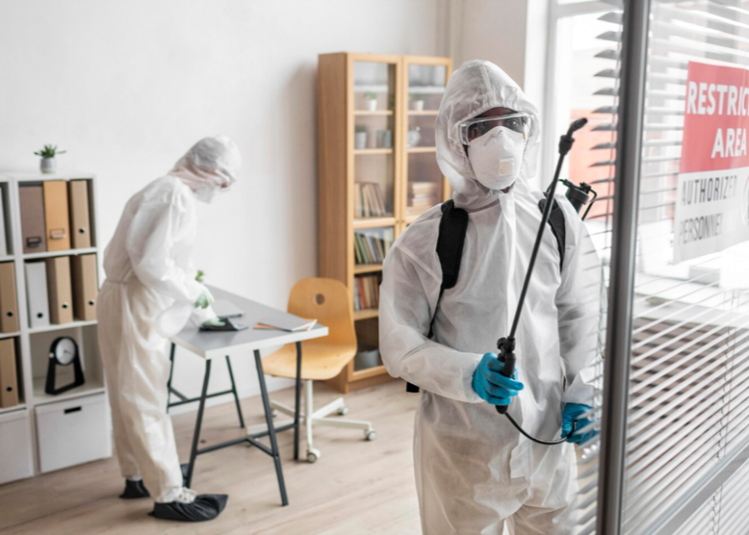
Maintaining a clean house is a very easy yet effective method of infestation prevention. Pests are often attracted to food, spills, and garbage, so it is helpful to keep the living environment clean.
Wipe the countertops and floors on a regular basis and clean crumbs or spills immediately. Food should be kept in tight containers, and garbage containers should be covered with a lid so that they do not attract ants, cockroaches, and rodents.
Additionally, dusting carpets and rugs in places where people walk a lot removes places where insects can hide. This, in turn, makes your surroundings less attractive to pests by eliminating the motivation that invites them into the house.
3. Eliminate Standing Water Around Your Property
Managing moisture is another important aspect since stagnant water forms an ideal habitat for mosquitoes and other insects. Even a small amount of water in the containers, plant containers, or clogged gutters can entice pests.
To prevent infestation from this, clean up your yard, take away or empty areas that hold water. Make sure that the gutters and downspouts direct water away from the foundation of your house. Besides, fill in low areas of your yard where water collects during rainfalls.
Removing standing water minimizes the chances of pest infestations, as well as provides a healthier and more comfortable outdoor environment for your family.
4. Maintain Your Yard and Landscaping

Good yard maintenance is essential for the prevention of pests in your space. Excessively grown shrubs, tall grass, and leaf litter provide shelter and hiding spots to rodents, insects, and other undesirable guests.
Clean up bushes and trees surrounding your house, make sure lawns are trimmed, and collect litter of leaves. Also, keep firewood, building materials, and garden rubbish outside your house.
With the right landscaping habits, you can drastically decrease the pest habitat areas and make them approach your home less, making the outside a much safer and healthier environment.
5. Use Targeted Treatments for Persistent Pests
It is seen that some pests require specific measures to be managed effectively. For example, termites, bed bugs, and rodents are often more challenging to control without professional guidance or targeted treatments.
Routine inspections for termites, along with soil or bait treatments, help prevent structural damage. Rodents can be controlled by setting traps and sealing holes larger than half an inch.
Bed bugs often need professional heat or chemical treatments to eradicate completely. Additionally, applying mosquito control treatments to outdoor areas can further protect your home and family from bites and potential diseases.
Taking a focused approach ensures persistent pests are handled appropriately before they become widespread problems.
6. Spot Early Warning Signs of Infestation
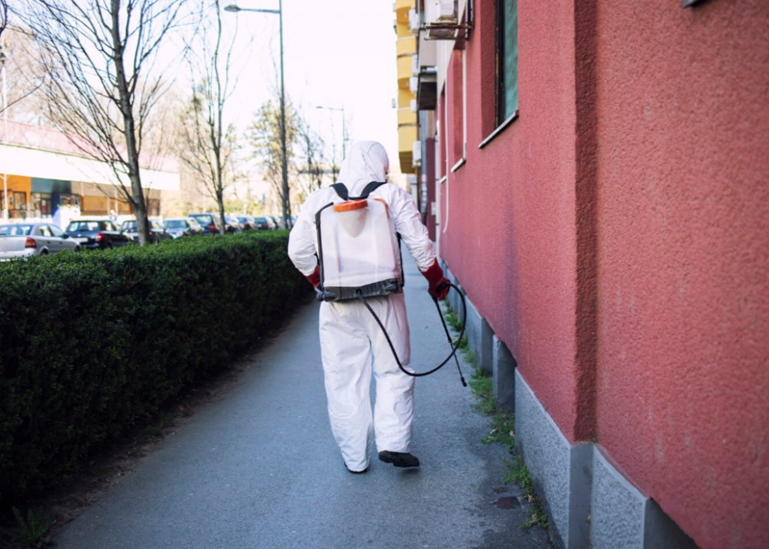
Finally, recognizing the early signs of pest activity is essential to prevent larger problems. For instance, droppings, gnaw marks, shed skins, or unusual insect activity often indicate that pests are already present.
Therefore, it is important to inspect crawl spaces, basements, attics, and other hidden areas regularly. Additionally, pay attention to moisture in these spaces, as damp conditions often attract insects.
By identifying these warning signs promptly and taking immediate action, you can stop infestations from spreading further, protect your property, and save both time and money in the long term.
Conclusion
Preventing pests requires consistent effort, careful observation, and practical action. By following these six steps—sealing entry points, maintaining cleanliness, eliminating standing water, managing landscaping, using targeted treatments, and monitoring for early warning signs—you can effectively protect your home from unwanted invaders.
Implementing these strategies not only creates a pest-free environment but also ensures the safety, comfort, and well-being of your household. With consistent attention and proactive measures, maintaining a clean, safe, and pest-free home is entirely achievable.