Key Takeaways
- Ensure proper drainage to handle Seattle’s heavy rainfall.
- Use durable, weather-resistant roofing materials.
- Follow Seattle building and energy codes.
- Schedule regular roof maintenance and inspections.
- Consider energy-efficient and sustainable roofing options.
- Hire experienced local roofing contractors.
- Invest in quality for long-term durability and value.
- Stay informed about modern roofing technologies and trends.
Constructing a commercial roof in Seattle requires careful consideration due to the city’s unique climate and stringent building regulations. To ensure a durable, efficient roofing system, it’s crucial to follow best practices tailored to Seattle’s climate. Partnering with a reputable roof construction company in Seattle, such as Washington Weather Shield, can provide the expertise needed for successful project completion. Washington Weather Shield is a family-owned business with over 13 years of experience, specializing in high-quality commercial roofing solutions across the Puget Sound area.
Prioritize Proper Drainage Systems
Seattle’s frequent rainfall makes efficient drainage systems essential to prevent water accumulation, which can lead to leaks and structural damage. Implementing high-capacity gutters and downspouts, along with regular maintenance to clear debris, ensures water is effectively channeled away from the roof. Additionally, designing roofs with appropriate slopes facilitates natural water runoff, reducing the risk of standing water. Drainage design should also take into account the roof’s total area and rainfall intensity calculations. In many cases, incorporating secondary (emergency) drainage systems or overflow scuppers can protect the building if primary drains become blocked. Choosing corrosion-resistant materials for all drainage components will further enhance the system’s durability in Seattle’s wet weather.
Select Weather-Resistant Materials
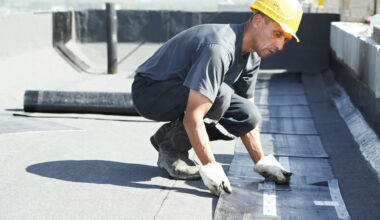
Choosing materials that can withstand Seattle’s wet climate is crucial. Options like TPO (Thermoplastic Polyolefin) and PVC (Polyvinyl Chloride) membranes offer excellent waterproofing capabilities and durability. These materials are particularly effective for flat or low-slope roofs common in commercial buildings. Incorporating reflective coatings can also enhance energy efficiency by reducing heat absorption. Other material considerations include metal roofing systems, which offer exceptional longevity and moisture resistance. For properties with sloped roofs, architectural shingles and standing seam metal panels are popular choices. Make sure all roofing materials are rated for high wind resistance and algae growth prevention to cope with Seattle’s frequent storms and damp conditions.
Ensure Compliance with Local Building Codes
Seattle’s building codes are designed to address the city’s specific environmental conditions. For instance, the Seattle Energy Code mandates that commercial buildings over 5,000 square feet incorporate renewable energy systems or be solar-ready. Familiarizing yourself with these regulations ensures your roofing project meets all legal requirements and contributes to the city’s sustainability goals. For detailed information, refer to the Seattle Department of Construction and Inspections’ guidelines on renewable energy and solar-ready roofs. Meeting seismic code requirements is another important consideration. Seattle is in an earthquake-prone area, and local building codes require roofing systems to be securely attached to withstand seismic activity. Engaging an engineer during the planning phase ensures compliance with structural codes and can help identify any reinforcement needs for your building’s framing or decking.
Plan for Regular Maintenance
Regular inspections and maintenance are vital to extend the lifespan of a commercial roof. Scheduling biannual inspections, particularly after the wet season, helps identify and address potential issues such as pooling water, moss growth, and clogged drains. Proactive maintenance can prevent minor problems from escalating into costly repairs. It is also advised to document all maintenance activities and keep a roof log, including photos and descriptions of each inspection or repair. This not only helps identify trends and recurring issues but is also useful when warranty claims arise. Many professional roofing companies offer maintenance programs and can provide expert recommendations for replacement cycles on sealants and flashing components.
Consider Energy-Efficient and Sustainable Options
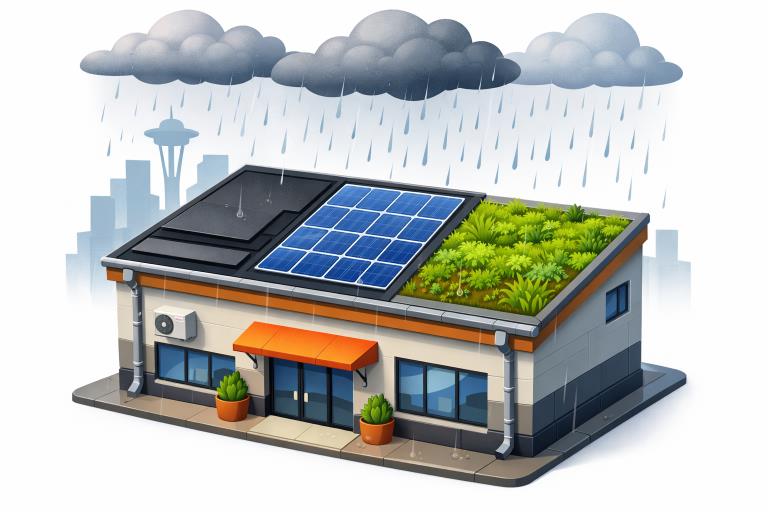
Integrating energy-efficient features into your roofing system can lead to long-term cost savings and environmental benefits. Options such as green roofs, which involve vegetation layers, can improve insulation and manage stormwater. Additionally, installing solar panels can reduce energy costs and align with Seattle’s commitment to renewable energy. Collaborating with experienced contractors ensures these systems are properly integrated into your roof design. Cool roofing products that reflect more sunlight and absorb less heat are another sustainable option to consider. These systems reduce air conditioning loads throughout warmer months, contributing to lower overall building energy use. Many municipalities, including Seattle, offer incentives for adopting green building practices, so it’s worthwhile to consult with your contractor about available rebates or grants.
Choose Experienced Local Contractors
Partnering with contractors familiar with Seattle’s climate and building codes is essential. Experienced professionals can provide valuable insights into material selection, design considerations, and maintenance practices suited to the region. They can also navigate permitting processes efficiently, ensuring your project stays on schedule and complies with all regulations. Local expertise is especially crucial when sourcing materials readily available in the region, minimizing delays caused by shipping or supply chain disruptions. Experienced contractors will also be knowledgeable about best installation practices for weatherproofing and insulating commercial roofs in the Pacific Northwest, maximizing both performance and value.
Budget for Quality and Longevity
While initial costs are a consideration, investing in high-quality materials and skilled labor pays off in the long run. Durable roofing systems require fewer repairs and have longer lifespans, offering better value over time. Balancing budget constraints with the need for quality ensures a roofing system that performs well under Seattle’s demanding conditions. Factoring in lifecycle costs, such as maintenance, potential energy savings from efficient materials, and replacement intervals, gives a clearer picture of overall value. Don’t overlook warranties either: premium roofing systems often come with extended warranties, which can further protect your investment and provide peace of mind.
Stay Informed About Industry Trends
The commercial roofing industry continually evolves, with new materials and technologies emerging. Staying informed about trends such as cool roofing systems, advanced waterproofing solutions, and innovative designs can provide competitive advantages. For instance, integrating solar-ready features aligns with Seattle’s push toward renewable energy and can enhance your building’s appeal to eco-conscious tenants. Other trends to watch for include smart roof technologies, such as built-in leak detection systems, moisture sensors, and integrated building management platforms. These digital advancements allow real-time monitoring and preventative maintenance, further protecting your roofing investment. Subscribing to relevant industry publications and attending regional construction expos can help you stay at the forefront of new developments. By following these essential tips, you can construct a commercial roof in Seattle that is durable, efficient, and compliant with local regulations. Thoughtful planning and collaboration with knowledgeable professionals will ensure your roofing system meets the unique demands of the Pacific Northwest climate.
Conclusion
Building a commercial roof in Seattle requires a strategic approach that accounts for the region’s wet climate, strict building codes, and long-term performance demands. By prioritizing proper drainage, selecting durable materials, investing in regular maintenance, and working with experienced local contractors, property owners can create roofing systems that are reliable, energy-efficient, and built to last. Staying informed about modern roofing technologies and sustainable solutions further ensures your investment remains valuable and compliant for years to come.