Key Takeaways
- Regular inspections can prevent minor issues from becoming major problems.
- Many common roofing problems have simple, cost-effective solutions.
- Timely maintenance extends your roof’s lifespan and enhances home safety.
Keeping your roof in excellent condition protects your home’s structural integrity and helps prevent unexpected repair costs. Roofs often face a variety of challenges from weather exposure, fallen debris, and aging materials, but many problems can be quickly addressed if spotted early. Whether you are dealing with leaks, missing shingles, or moss growth, taking action can save money and prevent bigger issues. If you live in New York, a trusted roof repair Long Island team can help resolve these issues efficiently.
Proactive roof maintenance is one of the smartest ways to safeguard your investment. By performing routine inspections and promptly repairing as needed, you can extend your roof’s lifespan and enhance your home’s safety. Simple, regular maintenance can be surprisingly effective at addressing most roofing concerns. This guide covers the most common roofing problems and provides straightforward, actionable solutions for addressing them at home.
Homeowners who address roofing issues promptly help secure their homes and prevent water damage, mold growth, and costly repairs. Regular upkeep and knowing what to look for can make all the difference. If you are seeking more comprehensive guidance on maintaining your home, the Family Handyman’s roofing tips are a reliable source for extended advice and practical solutions.
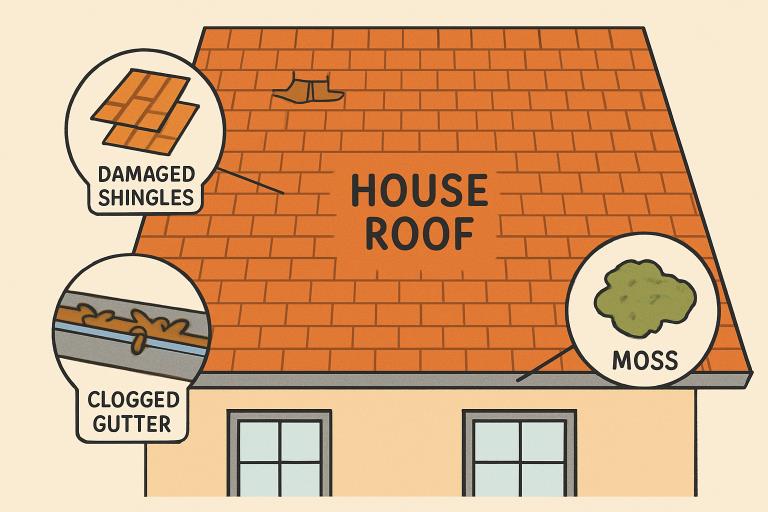
Missing or Damaged Shingles
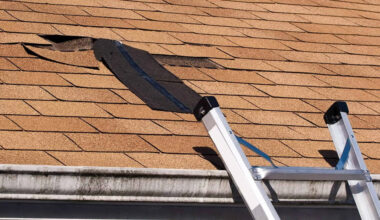
Shingles are designed to provide a tough, weather-resistant barrier. Over time, however, high winds, falling limbs, and extreme weather can cause shingles to crack, curl, or tear off. Even a small area of compromised shingles can allow water to penetrate beneath the surface, causing rot, mold, and structural decay. Promptly replace missing or broken shingles as soon as they are spotted. Properly installed replacement shingles prevent leaks and significantly reduce the risk of further structural issues. According to Better Homes & Gardens, addressing these problems as soon as they arise helps you avoid costly repairs down the road.
Leaks and Water Damage
Roof leaks usually originate from visible damage such as broken shingles, worn-out flashing, or clogged gutters. Detecting water stains on ceilings or inside the attic is a major warning sign. To stop leaks:
- Locate the source by inspecting the underside of the roof for stains or mold.
- Repair or replace any damaged shingles or sections of flashing.
- Clean out any gutters and downspouts that may be causing water to back up under the shingles.
Addressing leaks quickly prevents significant water damage to your ceilings, walls, and foundation, saving you money on unnecessary repairs.
Poor Roof Ventilation
Inadequate roof ventilation traps heat and moisture. Over time, this leads to shingle deterioration, warped wood, and increased mold or mildew growth in the attic. Solve ventilation issues by:
- Installing ridge and soffit vents to facilitate cross ventilation.
- Ensuring that attic insulation does not block air vents.
- Adding attic fans if natural airflow is not sufficient to remove heat and condensation.
Proper roof ventilation lowers energy costs, prevents damage, and supports healthier indoor air quality year-round.
Clogged Gutters
Overflowing or detached gutters are a common cause of roof edge and foundation problems. Clogged gutters trap water on the roof, increasing the risk of rot and ice dams. Prevent these issues by:
- Cleaning gutters at least twice yearly, especially after heavy leaf fall or storms.
- Adding gutter guards to limit debris buildup.
- Ensuring downspouts carry water well away from your foundation.
Clear gutters mean less water damage, healthier siding, and protection for your landscaping and basement.
Flashing Failures
Flashing is used to seal joints and edges around chimneys, vents, and skylights. Over time, this metal or rubber material can degrade or pull away. When flashing fails, water seeps in, causing mold and rot. To repair flashing:
- Inspect where roof planes meet or where surfaces meet vertical structures.
- Gently lift the affected flashing, apply roofing cement beneath it as an adhesive, and press it back into place.
- Coat the seams with another layer of roofing cement to ensure a watertight seal.
If deterioration is significant, consider replacing flashing entirely for the best protection.
Ponding Water on Flat Roofs
Flat roofs are especially prone to collecting standing water after heavy rain. Stagnant water can quickly lead to leaks and structural failure. Tackle ponding by:
- Clearing drains and scuppers to allow proper drainage.
- Adding tapered insulation or creating slight slopes toward drains to channel water off the roof.
- Regularly walking your roof after storms to check for and manually resolve any standing water.
Regular attention to drainage extends the lifespan of flat roofing systems and prevents costly repairs.
Moss and Algae Growth
Moss and algae not only discolor your roof but also retain moisture, promoting rot and weakening roofing materials. To remove and prevent growth:
- Mix 1 pound of oxygen bleach with 2 gallons of water and gently clean affected areas with a soft-bristle brush.
- Install copper or zinc strips near the roof ridge to passively inhibit moss regrowth.
- Cut back tree branches to increase direct sunlight and reduce shade on the roof surface.
Routine maintenance and sunlight are both effective at keeping your roof clean and free of damaging biological growth.
Ice Dams
Ice dams form when uneven roof temperatures cause snow to melt and refreeze near the gutters. This can force water under the shingles and into the attic. To prevent ice dams:
- Keep attic insulation thick and well-distributed to maintain a consistent roof temperature.
- Ensure roof ventilation allows for effective airflow.
- Use a roof rake to safely remove snow before it accumulates at the roof’s edge.
These steps protect your home from water damage and reduce the likelihood of wintertime roof leaks.
Consistent maintenance and timely repairs are fundamental to roof longevity. By understanding the most frequent problems and their solutions, you ensure a safer, drier, and better-protected home for years to come.