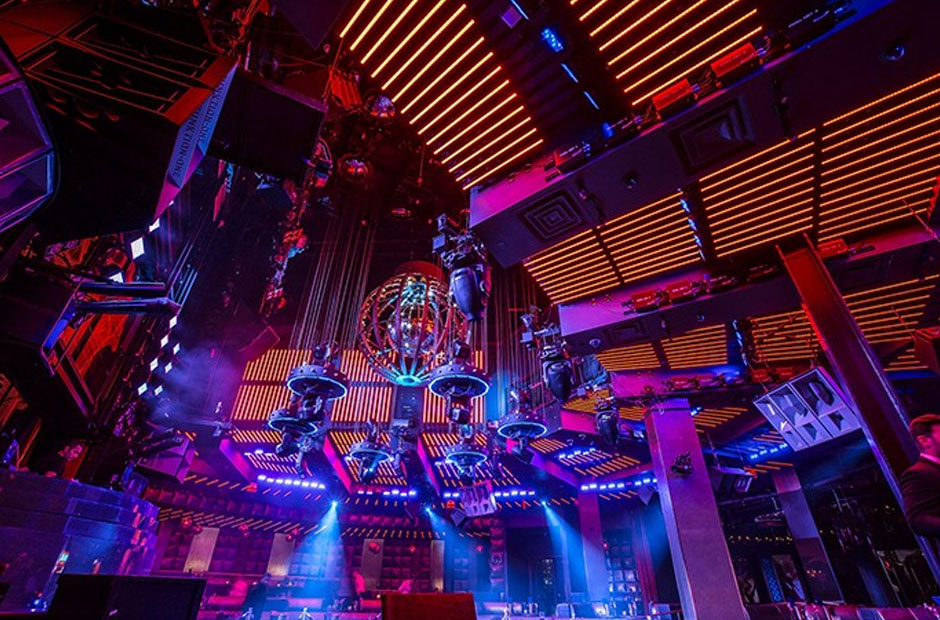
The nostalgia of yesteryear’s night out evokes mixed emotions for my generation: dread, because crippling insecurity briefly morphed into bulletproof invincibility; and sadness because of the loss of that one bar that used to serve pints for a quid. The reasons all these generational milestones are going under is more or less the same. Yes, everyone’s skinflints, but it’s not just that. Most kids can’t dance, for one. Yet the dance floor utterly refuses to die as a social tradition.
The Screen Fatigue Effect
We are on screens for most of the day. Whether it is work calls, social media updates or our favorite series; by the time the weekend comes, the last thing people want is to sit through another passive screen time of sipping and flipping.
It is observable that people are increasingly seeking out spaces that demand their hands, their minds, their presence and their bodies. Physical rooms that place a puzzle in front of you or immerse you in a story that you drive forward offer exactly that. There is no room for your mind to wander; you are here and now. You can’t half do it.
For several reasons. Firstly, you are all focused on the same thing at the same time. This is a subtly but radically different experience in a social setting. Second, you recursively fail together, and reattempt in a co-operative environment. That stuff doesn’t vanish by Monday.
Place as Part of the Story
Many of the best immersive venues aren’t opening in new-build developments. They’re repurposed old buildings. Old power stations, Victorian warehouses, converted industrial spaces. Immersive operators can layer fiction on top of something genuine, with the architecture and history of the building acting as a point of stability giving the fantasy a feeling of weight and consequence. The building itself becomes a character. The worn brickwork becomes part of the draw. The oversized machinery, the industrial scale of things becomes part of the narrative.
London has become a good example of this. The battersea power station escape room at Control Room B places groups inside one of the city’s most recognisable landmarks and makes the building’s own story part of the challenge. That combination of genuine heritage and high-stakes group problem-solving is difficult to replicate in a purpose-built venue that opened last year.
Adaptive reuse of this kind does something a themed room in a generic retail unit can’t: it gives the experience a sense of legitimacy. The setting earns its atmosphere rather than manufacturing it.
The Protagonist Problem With Traditional Venues
A bar is for a customer. An immersive experience is for a character. Why does that matter? Because a customer consumes. A character contributes. Shifting from passive consumption to active participation changes how we process an evening, and how we remember it.
This was the concept behind competitive socializing: take an activity that’s not the main event (darts, mini-golf, puzzle) but that naturally gets everyone’s competitive juices flowing, and pair it with a good cocktail program. The activity isn’t the main event, exactly, but it’s the scaffolding that can make the socializing feel purposeful. Groups talk more, argue more, laugh more. Nobody’s quietly checking their phone.
Immersive theater took this a step further, erasing the line between performer and audience entirely. Modern escape rooms, and other story-led experiences, just borrowed that logic and made it a lot more easy and replicable as something to do on a regular weekend.
Social Currency is Real Currency
As time goes on, people are valuing experiences more than ownership of material possessions. This is reflected in the choices people make on a Friday night.
Differentiated spaces also take better photos than a booth at a regular bar. It’s not the whole reason people choose immersive spaces, but nor is it an irrelevant one. Room for the unexpected photo of the extraordinary evening gives back in two ways, the event, and the image. Word-of-mouth used to be leaning over a desk. Now it’s a story that’s hit three hundred by eleven.
This is built into a good venue’s design. Lighting, set, and acoustics designed to facilitate photography aren’t cheating, they’re part of the kit. The more shareable the space, the bigger the potential crowd for the evening.
The Drinks Have to Match
A factor that shows how some immersive venues are superior to those where there is just temporary excitement is the quality of food and drinks they offer. As soon as you complete the puzzle, if the cocktail menu is unimpressive, the whole experience will let you down.
The truly successful venues are also careful about how they design the drinks program. A menu with items related to the plot, bartenders that are in their roles, talented mixology served in a suitable location, all contribute to making you feel that the evening was better as a whole, and not simply assembled.
Nobody sorts their feelings out in boxes like that. The story comprises the drink. If the drink is not good, the story is less good.