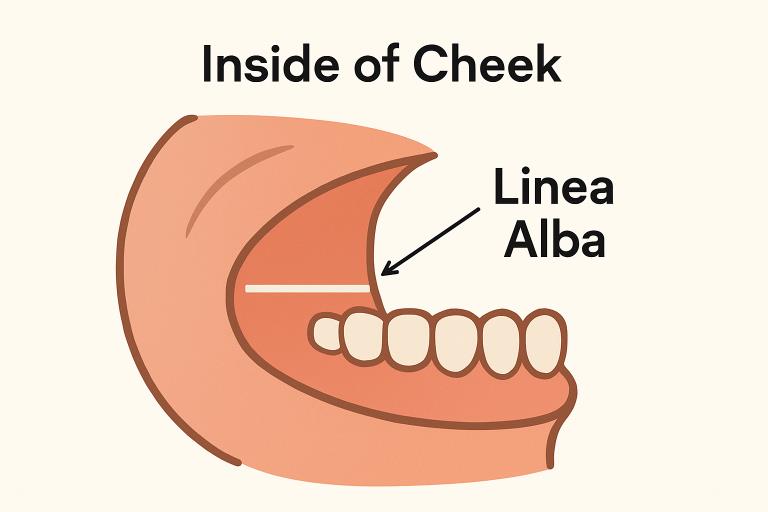
Discovering a white line inside your mouth can seem mysterious and may cause a moment of concern. These white lines or patches can be linked to a variety of reasons, with some being completely harmless and others needing a professional evaluation. Understanding what these lines mean and learning more about how to get rid of white line inside cheek can be important for your oral health and peace of mind.
Often, the cause of a white line is straightforward, such as a result of cheek biting or irritation from dental appliances. However, in some cases, these lines could signal conditions that need further attention. Being able to tell when to address these signs at home and when to consult a dentist is the first step towards keeping your mouth healthy.
Oral health plays a significant role in overall wellness. When changes like a white line appear inside your cheek or elsewhere in your mouth, paying attention and acting accordingly helps maintain a bright, pain-free smile. While some causes of white lines are minor, others may have long-term consequences if not managed properly.
For professional care and advice about oral changes, scheduling regular checkups at a trusted dental clinic, such as North Orange Family Dentistry, can make a big difference in early detection and treatment of oral health concerns.
Linea Alba: The Most Common Culprit
The most frequently seen reason for a white line inside the mouth is known as linea alba. This thin, white line often stretches horizontally along the inner cheek at the point where your teeth meet when your mouth is closed. The linea alba develops from chronic, gentle friction or pressure, usually from cheek biting, teeth grinding, or fickle movement of the cheeks during speaking or chewing. While it can seem odd, the linea alba does not typically cause pain or require medical intervention. If the habit causing it continues, though, it may trigger other minor oral problems, like soreness or thickened tissue.
Leukoplakia: When to Be Concerned
Another possible cause of white lines or patches is leukoplakia. This condition results in thickened, slightly raised white areas on the gums, inside the cheeks, or on the tongue. Unlike minor irritation, these cannot be easily rubbed away. Risk factors include tobacco use in any form and consistent alcohol consumption. While most leukoplakia is noncancerous, some forms can show precancerous changes. Because of this risk, it is essential to have persistent white patches checked by a dental or medical professional.
Oral Thrush: A Fungal Infection
Oral thrush (also called oral candidiasis) is a fungal infection that appears as creamy, irregular white patches inside the mouth, affecting the tongue, inner cheeks, or the roof of the mouth. It is caused by an overgrowth of Candida yeast, especially in those who have a weakened immune system, have recently taken antibiotics, or have diabetes. Symptoms can include soreness, difficulty swallowing, a cotton-like feeling, or mild bleeding if the patches are scraped. Treatment usually involves antifungal medications, which are prescribed by a healthcare provider
Oral Lichen Planus: An Autoimmune Condition
A chronic inflammation called oral lichen planus can also lead to white, lacy patches inside the mouth. This condition often affects the gums, inner cheeks, and tongue. It is believed to result from an autoimmune response, where the body’s immune system mistakenly targets normal tissues. Though not contagious, oral lichen planus can be uncomfortable, sometimes causing soreness or sensitivity when eating acidic or spicy foods. Management typically includes topical corticosteroids and regular dental monitoring.
Trauma and Irritation: Physical Causes
Physical injury or irritation is another frequent cause of white lines or patches in the mouth. Accidental cheek biting, using a hard-bristled toothbrush, poorly fitting dentures, braces, or jagged teeth can all create areas of thickened, whitish tissue as the skin tries to heal and protect itself. Often, these changes resolve when the source of irritation is eliminated. Addressing dental appliance fit, using a soft-bristled toothbrush, and being conscious of chewing and brushing habits can help prevent further trauma.
When to See a Dentist
Some white lines or patches are harmless, but there are certain warning signs that mean it is time to book a dental visit. You should see a dentist if:
- The white patch or line lasts more than two weeks
- You experience pain, soreness, or bleeding
- You have difficulty eating or speaking
- The spot appears alongside red, swollen, or ulcerated tissue
Seeing a dental professional ensures that any underlying issues are addressed early and you receive the best possible treatment for optimum oral health.
Preventive Measures
Practicing good oral hygiene and making simple lifestyle changes can reduce your risk of developing white lines or patches. Helpful strategies include:
- Brushing teeth at least twice daily with a soft toothbrush and flossing daily
- Avoiding smoking and using tobacco products
- Limiting alcohol intake
- Making sure dentures and dental appliances fit properly
- Managing stress to reduce teeth grinding or cheek biting
- Attending routine dental checkups for early intervention
Conclusion
While discovering a white line in your mouth is often harmless, staying informed and alert to changes is wise. Most causes, like the linea alba or minor trauma, are easily managed with good habits and regular dental care. More persistent or unusual patches, however, should be evaluated by a professional to rule out serious conditions. When in doubt, a prompt visit to your dentist helps protect your health and keep your smile bright.