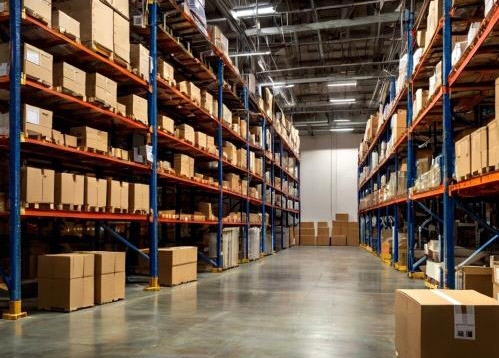
If you’re searching “business storage near me,” you’re probably not browsing casually. You’re likely dealing with a real operational issue that needs a real solution. Maybe your inventory has outgrown your back room. Maybe you’re between office spaces and need a place for furniture and equipment. Maybe you’re a contractor with tools and materials piling up. Or maybe you’re growing and simply need more room without signing a bigger lease.
In markets like Sarasota, where commercial space can be competitive and businesses often operate lean, storage becomes a practical extension of your footprint. The question isn’t whether storage exists. The question is which type of storage matches how businesses actually work. A standard self-managed unit can help in some scenarios, but many businesses discover that warehouse-style storage is better when security, scheduling, accountability, and professional handling matter—especially for inventory, equipment, and office furniture.
This article explains who typically uses business storage, when commercial warehouse storage makes sense compared to commercial storage units, what to look for in a secure storage setup, and how scheduled pickup and delivery can turn storage into a true logistics solution rather than a DIY chore.
Why “Business Storage” Is Different From Personal Storage
Personal storage is usually about convenience. You want somewhere to put extra household items, seasonal décor, or furniture during a transition. Business storage is different because it impacts operations. If equipment is hard to access, your team loses time. If inventory isn’t secure, you take on risk. If you can’t schedule pickup and delivery predictably, storage becomes a disruption rather than a support.
Business storage also tends to involve heavier, more valuable, and more specialized items than personal storage. Office furniture, IT equipment, trade tools, displays, product inventory, fixtures, and supplies all require thoughtful handling and a secure environment. Businesses also care about accountability. When something is missing or damaged, it’s not just inconvenient—it can affect revenue and timelines.
That’s why businesses often consider commercial warehouse storage when they need more than a lock on a roll-up door. Warehouse storage is designed for controlled handling and logistics, not just space rental.
Who Typically Uses Business Storage?
Many types of businesses use local storage, and not all of them are large companies. In fact, small and mid-sized businesses are often the biggest users because they’re scaling quickly and trying to stay flexible.
Retailers use storage when inventory exceeds what they can keep on the sales floor or in back-of-house areas. Seasonal businesses use it to rotate stock and displays without cluttering their main workspace. E-commerce businesses use storage to handle growth without committing to a larger warehouse lease too early.
Contractors and tradespeople often need storage for tools, job materials, and equipment between projects. Staging companies and event vendors use storage for décor, props, and event materials. Medical, legal, and professional offices use storage during remodels, relocations, or expansions when they need to protect office furniture and equipment while minimizing downtime.
Businesses also use storage during leadership changes, downsizing, or mergers, when office layouts change and extra furniture needs a temporary home. And, increasingly, companies use storage simply to keep their primary space cleaner and more productive. When your workspace isn’t doubling as a storage room, your team can operate more efficiently.
Commercial Storage Units vs. Commercial Warehouse Storage
The most common first step for a business is to rent a standard storage unit. It’s easy to find, and it feels straightforward. For items that don’t require special handling and for businesses that want frequent self-access, commercial storage units can work.
But there are limitations that matter more as your storage needs become more operational. Many storage unit facilities are designed for public access. Customers come and go throughout the day, moving items through shared hallways and drive lanes. That’s convenient for personal use, but it can be less ideal when you’re storing valuable equipment or inventory and want controlled access and clear accountability.
The physical layout can also be a challenge. Storage units often require long carries, ramps, elevators, or tight corridors. For office furniture storage, that means more handling points, more time, and more opportunity for damage. For inventory, it can mean wasted labor and awkward loading processes. For equipment, it can mean greater risk when heavy items are moved repeatedly.
Commercial warehouse storage changes the model. Instead of treating storage as a DIY space you manage, warehouse storage is often designed around logistics. That means structured intake, organized storage, and the ability to schedule pickup and delivery so your team isn’t losing hours making trips back and forth. For many businesses, that shift is the difference between storage being a hassle and storage being a scalable solution.
When Local Warehouse Storage Makes Sense for Businesses
Warehouse storage tends to make the most sense when your business needs predictable processes, security, and reduced handling. If you’re storing office furniture during an expansion or relocation, you want pieces protected and handled professionally so they’re ready to be installed again. If you’re storing equipment, you want secure access and a system that reduces the number of times the equipment is moved. If you’re storing inventory, you want an approach that supports scheduled retrieval and delivery so you can keep operations flowing.
Warehouse storage is also ideal when time matters. Businesses rarely have time to send employees to load and unload a unit repeatedly, especially if it involves elevators and long walks. A warehouse solution with coordinated logistics can free your team to focus on revenue-producing work instead of storage runs.
Local warehouse storage also helps businesses stay flexible. Rather than committing to a larger lease prematurely, you can use storage as a buffer during growth periods, seasonal demand, or office transitions. This is especially valuable in areas where commercial space costs and availability fluctuate.
Is Warehouse Storage Secure for Equipment and Inventory?
Security is one of the biggest reasons businesses choose warehouse storage. The security question isn’t just “Are there cameras?” It’s also “Who has access?” In many public-access storage facilities, a wide range of people can enter the property and move around. That’s not automatically unsafe, but it introduces more variables.
Warehouse-style storage often emphasizes controlled access, limited personnel entry, and clearer accountability. Businesses storing tools, equipment, electronics, or valuable inventory typically prefer environments where access is restricted and monitored, and where the chain of custody is easier to track.
Security also connects to condition. Equipment and furniture are less likely to be bumped, scraped, or disturbed when storage is controlled and there isn’t constant public traffic around the stored items. A secure environment is not only about theft prevention; it’s about reducing unnecessary interaction and keeping items stable until they’re needed.
If you’re evaluating commercial warehouse storage, it’s smart to ask how access is managed, how items are tracked upon intake, and how the facility prevents unauthorized handling.
Office Furniture Storage: Protecting What You’ll Need Again
Office furniture storage is one of the most common reasons businesses search for storage. Office moves, remodels, and expansions often require desks, chairs, cubicles, conference tables, filing systems, and décor to be removed temporarily. The goal isn’t just to “put it somewhere.” The goal is to protect it so it can be used again without repairs, missing parts, or damage.
Office furniture is surprisingly easy to damage during repeated handling, especially in tight building layouts. Scratches, dents, and broken components often come from moving furniture multiple times through doorways, elevators, and hallways. That’s why professional handling and fewer touchpoints matter.
Warehouse storage that supports scheduled pickup and delivery can reduce the number of times furniture is handled. Instead of moving items into a unit and later moving them out again, businesses can often treat storage as a managed phase in a relocation plan. That reduces labor, reduces downtime, and keeps the transition cleaner for your team.
Can Businesses Schedule Pickup and Delivery?
Scheduling is the feature that turns storage into a true business tool. For many companies, the biggest cost of self-managed storage isn’t the unit fee—it’s the time. Time spent sending employees to access a unit. Time spent loading and unloading. Time spent dealing with awkward access hours or building restrictions. Time spent managing the logistics that a business shouldn’t have to manage.
A storage provider that supports scheduled pickup and delivery can help businesses stay productive. Inventory can be retrieved when needed. Office furniture can be delivered when a new space is ready. Equipment can be moved in sync with project milestones. This approach also supports better planning, because businesses can coordinate storage activity around operating hours, staffing availability, and client commitments.
If your search for business storage near me is driven by an office move or a large project timeline, scheduling is one of the most important questions to ask.
FAQ: Business Storage Near Me and Warehouse Storage
Who typically uses business storage?
Business storage is commonly used by retailers, e-commerce sellers, contractors, event vendors, staging companies, and professional offices. It’s especially helpful during growth periods, seasonal inventory changes, relocations, remodels, and office transitions when extra space is needed without committing to a larger lease.
Is warehouse storage secure for equipment and inventory?
Warehouse storage is often preferred for security because it typically offers more controlled access and clearer accountability than public-access facilities. Businesses storing valuable equipment, tools, electronics, or inventory often choose warehouse-style environments to reduce unauthorized access and keep items stable and protected.
Can businesses schedule delivery and pickup with local storage?
Many warehouse storage providers offer scheduled pickup and delivery, which helps businesses reduce labor time and keep operations running smoothly. Scheduled logistics can be especially valuable during office moves, remodels, and inventory fluctuations when timing matters and self-managed trips are inefficient.
The Bottom Line: Storage Should Support Operations, Not Disrupt Them
When you search “business storage near me,” you’re really searching for breathing room—space that helps your business run better. The right storage solution depends on what you’re storing and how you need to use it. Commercial storage units can work for simple overflow needs, but local warehouse storage makes sense when security, accountability, professional handling, and scheduling are important.
If you’re storing inventory, equipment, or office furniture, consider whether you want storage to be a DIY responsibility or a managed service that fits into your business logistics. The more time-sensitive and valuable your items are, the more warehouse storage becomes the practical choice. In a growing market like Sarasota, that kind of flexibility can be a competitive advantage—keeping your workspace productive, your assets protected, and your team focused on what matters most.