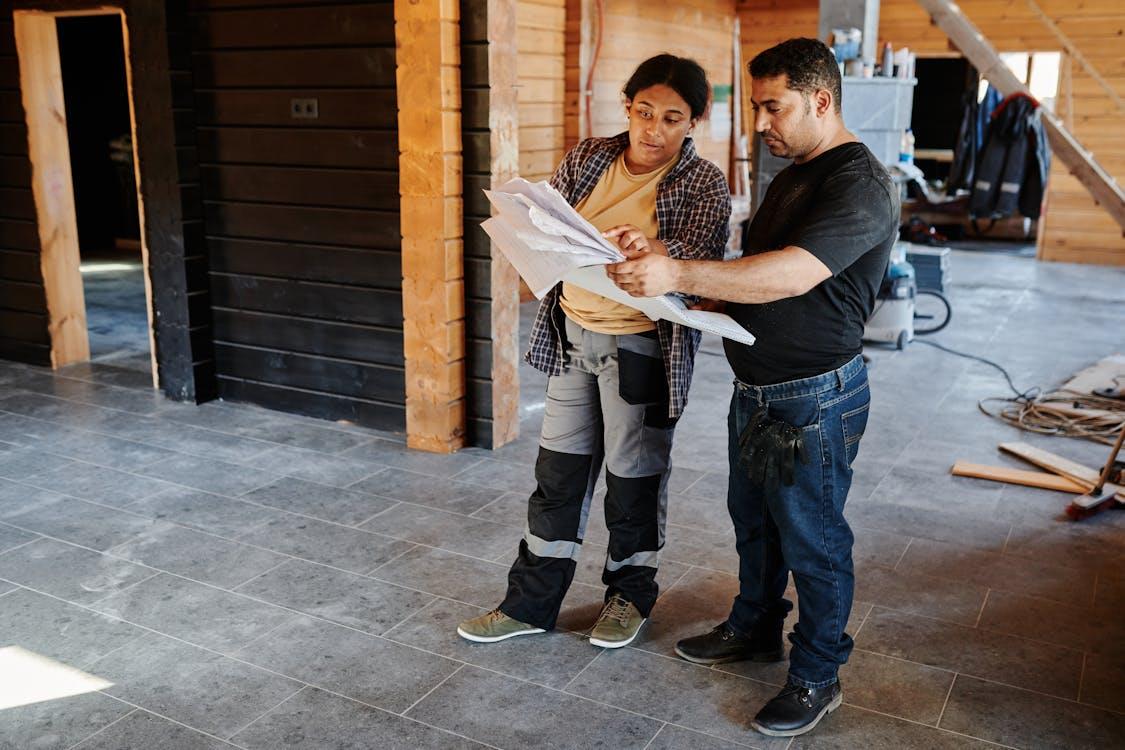
A large renovation doesn’t slowly ease into your life. It takes over. One day, your house feels normal, the next day there’s plastic taped to doorways, and someone is shutting off the water. The exciting part is imagining the finished space. The hard part is living through everything before that. Most renovation stress doesn’t come from design decisions. It comes from underestimating how disruptive the process actually is.
In Conway, Arkansas, timing and preparation matter more than people expect. Humid weather can affect flooring deliveries and paint schedules. Storm season can interrupt exterior work. Contractors book up quickly when demand rises. Homes in the area range from older builds with surprises behind the walls to newer homes that still need layout improvements.
If you want the project to feel controlled instead of chaotic, the setup phase has to be solid.
Clear the Space Like You Mean It
People underestimate this step every time. They move a few chairs to the side and assume that’s enough. It’s not. Large-scale renovation creates dust, vibration, foot traffic, and risk. Even items in rooms that aren’t being renovated can end up coated or scratched if you’re not careful.
If the project touches multiple rooms, it’s often smarter to fully remove what you care about instead of shifting it around. Hence, getting self storage in Conway becomes a practical move. Instead of stacking furniture in a spare bedroom and hoping it stays safe, you move it out completely. Contractors get room to work. You’re not constantly rearranging things. And you’re not worrying about whether your dining table is being used as a tool station.
Build a Budget That Assumes Something Will Go Wrong
No one likes padding a budget. It feels pessimistic. But opening walls in a large renovation almost always reveals something unexpected. Old wiring. Subfloor damage. Plumbing that was “fine” until it wasn’t.
A realistic budget doesn’t just cover what you picked out in the showroom. It covers labor, permits, waste removal, material delivery, and at least one problem you didn’t plan for. That buffer is what keeps you from panicking halfway through. Without it, every surprise feels like a crisis. With it, problems become adjustments. There’s a big emotional difference between those two.
Decide the Full Plan Before Demolition Starts
Once the walls come down, decisions move faster. If you’re still debating layout changes mid-demolition, things get expensive quickly. Changing your mind during construction usually means undoing work that’s already been done.
Before anything gets torn apart, map out the entire scope. Which rooms are involved? What systems are being updated? Where structural changes are happening. Get clear, in writing, with your contractor. It doesn’t mean you can’t adapt if something major comes up. It just means you’re not casually expanding the project because it “seems like a good time.”
Be Honest About Whether You Can Live There During It
Some people can handle living through renovation. Others realize two weeks later that they made a mistake. If your kitchen is being rebuilt from the studs, you won’t casually cook dinner. If bathrooms are offline, mornings become stressful. Noise starts early. Dust is constant.
Think through your tolerance level. Can you seal off part of the house and function? Or would a short-term rental for a few weeks actually protect your sanity and help the crew work faster? Temporary relocation isn’t always necessary, but pretending you’ll be fine when you won’t can drag the whole experience down. Comfort during the process matters more than most homeowners admit.
Protect the Parts You’re Not Touching
Even if you’re only renovating part of the house, the rest isn’t immune. Fine construction dust has a way of traveling through vents and under doors. Floors get scuffed by traffic. Air filters clog quickly.
Plastic barriers, floor protection, and sealed doorways aren’t overkill. They’re preventative. Taking the time to isolate work zones keeps your home from feeling completely overtaken. It also cuts down on the massive cleaning job at the end. When you can preserve some sense of order in the untouched areas, the renovation feels contained instead of overwhelming.
Hire the Right People, Not Just the First Available
When you’re eager to start, it’s tempting to hire whoever can begin next week. This decision can follow you for months. Large-scale renovations require coordination, problem-solving, and communication, not just technical skill. The right contractor doesn’t disappear when something unexpected comes up. They walk you through it.
Take time to check past projects. Talk to former clients. Ask how they handle delays or change orders. Contractor schedules can fill quickly, but it’s still worth waiting for someone experienced with big jobs.
Create a Timeline That Respects Reality
Renovation timelines often look clean on paper. Demolition in one week. Framing the next. Finishes shortly after. In real life, materials get delayed. Weather interrupts exterior work. Inspections don’t always happen on the exact day planned.
A realistic timeline leaves room for those slowdowns. Ask your contractor to outline each phase clearly — demolition, structural work, mechanical systems, inspections, finishes. Understand which steps depend on others. When you see how everything connects, delays feel less mysterious and more manageable.
Expect at Least One Surprise
Even in newer homes, something unexpected tends to show up. In older properties, it’s almost guaranteed. Hidden water damage. Uneven framing. Electrical updates that weren’t done correctly years ago.
When something gets uncovered, pause before reacting emotionally. Ask for documentation. Ask for options. If you built in a contingency buffer earlier, this is where it earns its keep. Surprises feel frustrating, but they’re often necessary corrections that protect the home long term.
Deep Clean Before Moving Everything Back
Even if the renovation looks complete, construction dust lingers. It settles in vents, on baseboards, and inside cabinets. Wiping down surfaces once won’t cut it. A thorough cleaning, sometimes professional-level, makes a noticeable difference before you move furniture and décor back in.
This is the moment the house starts to feel like yours again. Clean floors. Clear air. No tools stacked in the corner. Taking the time to reset properly makes the transition back into daily life smoother.
Evaluate What You’ve Built and How to Maintain It
Once the excitement fades, maintenance becomes important. New flooring may require specific cleaners. Updated HVAC systems need regular servicing. Exterior upgrades might have warranty guidelines.
Take note of what was installed and what it needs moving forward. Ask for manuals and care instructions. A large renovation is an investment. Understanding how to maintain it protects that investment long after the noise is gone.
A large-scale renovation isn’t just a design project. It’s a disruption, a financial decision, and a test of patience all at once. The smoother it feels usually comes down to what happened before demolition started — clearing space properly, budgeting realistically, choosing the right people, and accepting that a few surprises are part of the deal.