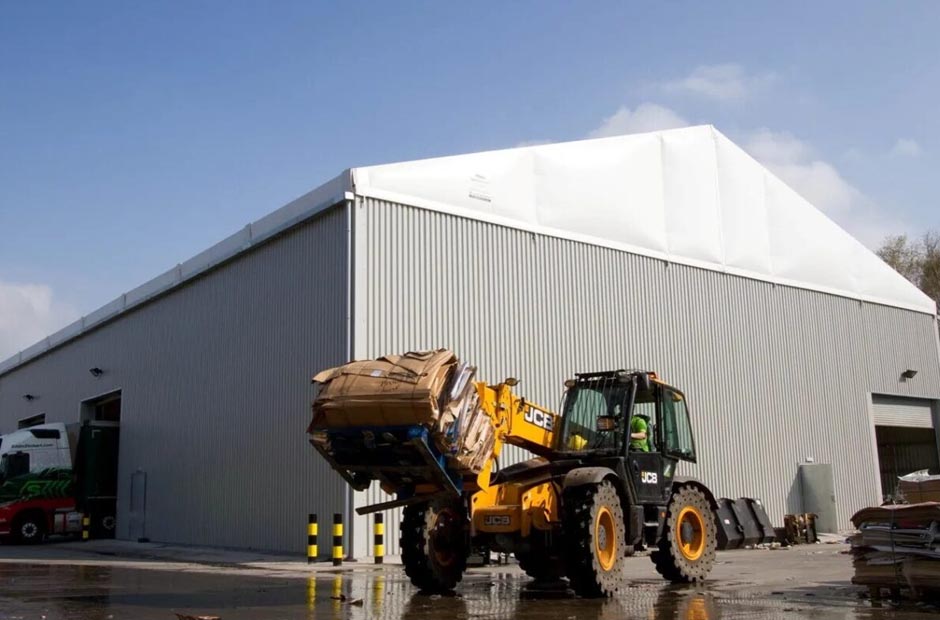
Facility maintenance projects often involve ongoing repairs, upgrades, and operational improvements across buildings and properties. Unlike large construction efforts that occur over a defined timeline, maintenance work tends to happen in smaller phases throughout the year. Tasks such as replacing flooring, updating fixtures, repairing structural elements, or clearing outdated equipment all generate debris that must be removed efficiently to keep the facility functional.
Standard waste services are designed for routine trash removal, but maintenance projects frequently produce materials that exceed the capacity of everyday dumpsters. Temporary waste solutions allow maintenance managers to address these short-term disposal needs while maintaining safe, organized work environments across their properties.
Understanding Waste From Maintenance Activities
Maintenance work generates a wide variety of debris depending on the type of project being performed. Because these tasks occur across different parts of a facility, debris can accumulate in multiple locations if a central disposal strategy is not established.
Common materials produced during maintenance projects include:
- Broken fixtures and furniture
- Drywall and ceiling tiles
- Carpet and flooring debris
- Scrap metal and piping
- Packaging from replacement equipment
- Damaged cabinetry or shelving
Even smaller repair projects can produce enough debris to overwhelm standard waste containers. Without temporary disposal solutions, maintenance teams may spend valuable time transporting materials offsite or waiting for routine waste pickup.
Supporting Routine Facility Upgrades
Many facilities require periodic upgrades to remain functional and competitive. Office buildings may replace lighting systems, apartment communities may update appliances, and commercial properties may modernize shared spaces.
These improvements generate debris during demolition and installation phases. Temporary dumpsters allow maintenance crews to remove materials immediately rather than storing them temporarily in maintenance rooms or outdoor areas.
Centralizing debris disposal helps maintain a cleaner environment while upgrades are underway.
Improving Efficiency During Multi-Day Projects
Maintenance tasks often occur over several days or weeks. Without a dedicated disposal container, debris may accumulate gradually across the property, making final cleanup more time-consuming.
Temporary waste containers allow crews to dispose of materials throughout the project rather than waiting until the end. This approach:
- Keeps work areas clear
- Reduces repeated handling of debris
- Allows maintenance staff to focus on repairs instead of waste transport
By managing debris consistently during the project, cleanup becomes faster and more organized once the work is complete.
Managing Waste During Tenant Turnovers
Facilities that include residential units, offices, or leased spaces frequently experience tenant turnover. Preparing a unit for a new occupant may involve removing old carpeting, repairing drywall, replacing fixtures, or clearing abandoned furniture.
These materials often exceed the capacity of standard building dumpsters. Temporary waste solutions allow maintenance teams to dispose of large items and renovation debris without disrupting the facility’s regular trash system.
Quick and efficient debris removal helps reduce the time required to prepare units for new occupants.
Maintaining Clean and Professional Environments
Facilities must maintain a clean appearance for tenants, employees, and visitors. Debris left in hallways, loading docks, or parking areas can create the impression that maintenance work is disorganized or incomplete.
Temporary dumpsters provide a central location where waste can be contained rather than scattered around the property. This approach helps maintain a professional environment even while repair or renovation work is underway.
Keeping waste organized also prevents debris from interfering with pedestrian walkways or building access points.
Planning Dumpster Placement
Placement is an important consideration when using temporary waste solutions. Containers should be positioned where maintenance teams can access them easily without disrupting building operations.
Maintenance managers should evaluate factors such as:
- Delivery access for trucks
- Distance from active work areas
- Impact on parking availability
- Proximity to pedestrian pathways
Choosing an appropriate location allows crews to move debris quickly while minimizing disruption to occupants.
Coordinating Rental Duration With Project Schedules
Maintenance projects vary in length depending on scope and complexity. Some tasks may require only a few days of waste capacity, while larger upgrades may extend for several weeks.
Coordinating dumpster rental periods with the expected duration of the project helps ensure containers remain available when needed. It also prevents dumpsters from occupying space longer than necessary once work is complete.
Planning ahead allows maintenance managers to align waste removal schedules with project milestones.
Reducing Labor and Transportation Time
Without a temporary dumpster, maintenance teams often rely on pickup trucks or trailers to transport debris to disposal facilities. This process can require multiple trips and consume valuable labor hours.
Temporary containers consolidate waste in one location so it can be removed in a single haul once the project concludes. This approach saves time and reduces the physical effort required from maintenance staff.
Consolidated disposal also helps prevent debris from spreading across different areas of the property.
Supporting Safe Work Environments
Maintenance projects can produce sharp or hazardous materials such as broken glass, exposed nails, and damaged equipment parts. Leaving these items unattended increases the risk of injury for workers and occupants.
Temporary waste containers provide a designated place for these materials, helping keep work zones organized and safe. Removing debris promptly reduces the likelihood of accidents and supports safer facility operations.
Coordinating With Reliable Waste Providers
Maintenance managers often rely on experienced waste service providers to ensure containers are delivered, serviced, and removed according to project needs. Clear communication about project scope and debris type helps determine the appropriate container size and rental duration.
Many facilities coordinate temporary waste removal through services such as Waste Removal USA to ensure debris generated during maintenance work is handled efficiently.
Working with experienced providers helps align waste logistics with maintenance schedules and facility operations.
Budgeting for Temporary Waste Solutions
Waste removal should be considered part of the operational budget for facility maintenance. Rental costs typically depend on factors such as container size, rental duration, and weight allowances.
Planning for these expenses in advance allows maintenance managers to allocate resources appropriately and avoid unexpected disposal costs during repair projects.
Including waste removal in project budgets ensures maintenance teams have the tools needed to complete their work efficiently.
Preparing for Final Cleanup
Once maintenance work is complete, the temporary dumpster can be used to remove any remaining debris, packaging, or construction scraps. This final cleanup phase helps restore the facility to its normal condition.
Scheduling pickup after cleanup ensures the container is removed promptly, allowing parking areas or service zones to return to normal use.
Facility maintenance projects generate a variety of debris that cannot always be handled by standard waste services. Temporary waste solutions provide maintenance managers with a flexible way to manage disposal needs during repairs, upgrades, and tenant turnover projects.
By planning dumpster placement carefully, coordinating rental durations with project timelines, and consolidating debris into a central location, maintenance teams can maintain cleaner, safer work environments. Integrating temporary waste solutions into maintenance planning helps ensure projects are completed efficiently while preserving the appearance and functionality of the facility.