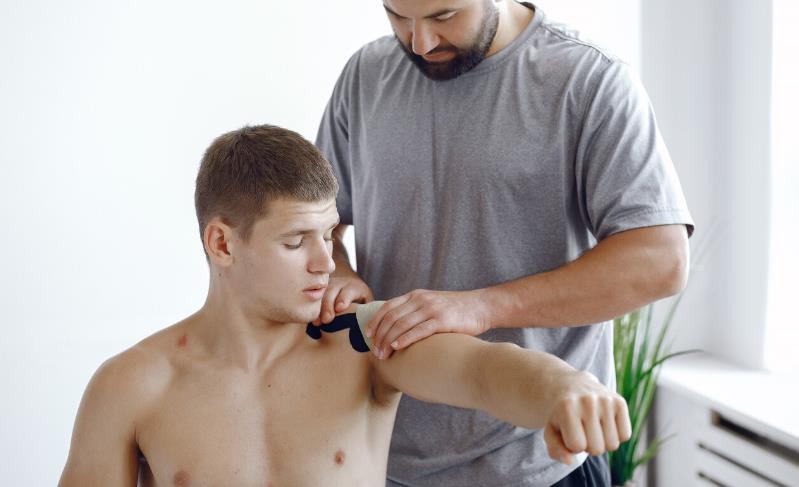
The fields of sports massage and physiotherapy form a vital pillar in the world of contemporary sports science, primarily aiming to optimise athletic performance, prevent injuries, and accelerate recovery processes. Both practices, while distinct in their methodologies, synergise to offer comprehensive support for athletes and physically active individuals. For an in-depth exploration of the benefits of sports massage and physio, their techniques, and their applications, it is essential to understand their foundational principles and the impact they have on the human body under significant physical stress.
Understanding Sports Massage
Sports massage is a targeted form of massage therapy designed to address the needs of athletes. Unlike traditional massage modalities, sports massage specifically focuses on areas of the body that are stressed from repetitive and often aggressive movements. This form of massage incorporates a range of techniques geared towards improving flexibility, reducing muscle stiffness, and preventing injuries.
Techniques Involved in Sports Massage
Sports massage employs a variety of techniques, including effleurage, petrissage, friction, and tapotement:
– Effleurage consists of gentle stroking motions that prepare the muscles for deeper work.
– Petrissage involves kneading the muscles to improve circulation and reduce muscle tension.
– Friction is used to break down adhesions and realign muscle fibres.
– Tapotement, characterised by rhythmic tapping or percussion, stimulates the muscles.
These techniques are often tailored to suit the individual needs of the athlete, depending on the sport they engage in and the specific requirements of their muscle groups.
The Role of Physiotherapy in Sports
Physiotherapy, often referred to as physical therapy, plays a crucial role in the rehabilitation and enhancement of athletes’ physical capabilities. Unlike sports massage, physiotherapy encompasses a broader spectrum of treatments that include manual therapy, exercise prescription, and education.
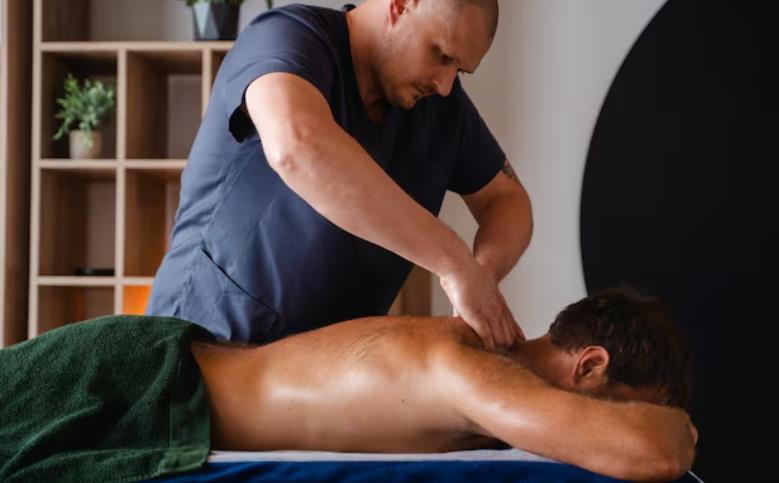
Key Aspects of Physiotherapy
- Assessment and Diagnosis: Physiotherapists are trained to assess musculoskeletal conditions through comprehensive diagnostic techniques. This allows them to identify underlying issues that may not be immediately apparent but could lead to injury.
- Manual Therapy: Similar to massage, manual therapy in physiotherapy involves hands-on techniques. These are used to mobilise joints and soft tissues, alleviating pain and improving movement.
- Exercise Prescription: A significant component of physiotherapy is the development of personalised exercise programmes. These exercises target specific weaknesses or imbalances in the athlete’s body, promoting strength, endurance, and flexibility.
- Education and Advice: Educating athletes about injury prevention, movement efficiency, and ergonomic principles forms a critical aspect of physiotherapy. This ensures athletes are well-informed about how various activities impact their bodies, fostering a proactive approach to health and wellness.
Integrating Sports Massage and Physiotherapy
While sports massage and physiotherapy can be utilised independently, their integration provides a multifaceted approach to sports wellness. This integrative approach not only aids in rapid recovery post-event but also plays a preventive role by identifying potential muscle imbalances or weaknesses before they lead to injuries.
Benefits of Integration
– Comprehensive Recovery: The combination of therapeutic massage and targeted exercises facilitates thorough recovery, addressing both muscle soreness and underlying physiological imbalances.
– Holistic Performance Improvement: The duo works in tandem to enhance performance. While sports massage can improve circulation and relieve muscle tension, physiotherapy can address the functional aspects, ensuring athletes are mechanically efficient.
– Injury Prevention: Preventive measures are crucial for athletes. Through regular sports massage and physio sessions, potential risks can be identified early, and strategies can be designed to mitigate them.
Evidence-Based Benefits
Scientific research supports the use of both sports massage and physiotherapy in enhancing athletic performance and recovery. Studies suggest that regular massage therapy sessions can significantly reduce heart rate, blood pressure, and cortisol levels, all of which contribute to stress reduction and improved recovery rates.
Similarly, physiotherapy has been shown to effectively manage conditions such as tendinopathies, muscle strains, and joint dysfunctions. The prescription of specific exercises based on evidence-based practices has helped athletes return to their pre-injury performance levels more rapidly.
Application Across Different Types of Sports
Different sports impose different physical demands on athletes’ bodies. For instance, runners may experience more lower-body strains, requiring a focus on the calves and thighs, whereas swimmers may need attention toward shoulder and back muscles.
Customised Approaches
The key to successful sports massage and physiotherapy lies in the ability to customise approaches:
– For endurance sports, techniques that focus on muscle recovery and energy restoration are vital.
– In strength-based activities, the emphasis may be on maintaining flexibility to prevent muscle shortening.
– Team sports often require strategies that address the physicality of the sport and the common injuries associated with its context.
In each scenario, the principles of sports massage and physiotherapy are adapted to ensure athletes receive the most effective care possible.
The Importance of Continuous Education
The fields of sports massage and physiotherapy are continually evolving, driven by ongoing research and advances in biomechanical understanding. Continuous education is essential for practitioners to remain at the forefront of new techniques and methodologies. This ensures they can offer the highest level of care and help athletes achieve their optimal potential while maintaining their health and well-being.
In conclusion, the symbiotic relationship between sports massage and physiotherapy is crucial for the modern athlete. Their combined benefits significantly contribute to optimal athletic performance and recovery. Integrating these therapies as part of a comprehensive sports health programme can help athletes maintain peak performance levels while minimising the risk of injury.