Energy efficiency begins with a clear understanding of where heat escapes inside a home. Many properties lose conditioned air through hidden structural gaps that remain unnoticed for years. As a result, heating and cooling systems work harder than necessary. Proper insulation addresses these weak points and improves indoor comfort.
In addition, selecting the best insulation for your attic can dramatically improve overall thermal performance. However, the attic is not the only area that requires attention. Walls, floors, basements, and crawl spaces also influence energy use. The following sections highlight the key areas that need proper insulation.
Attic
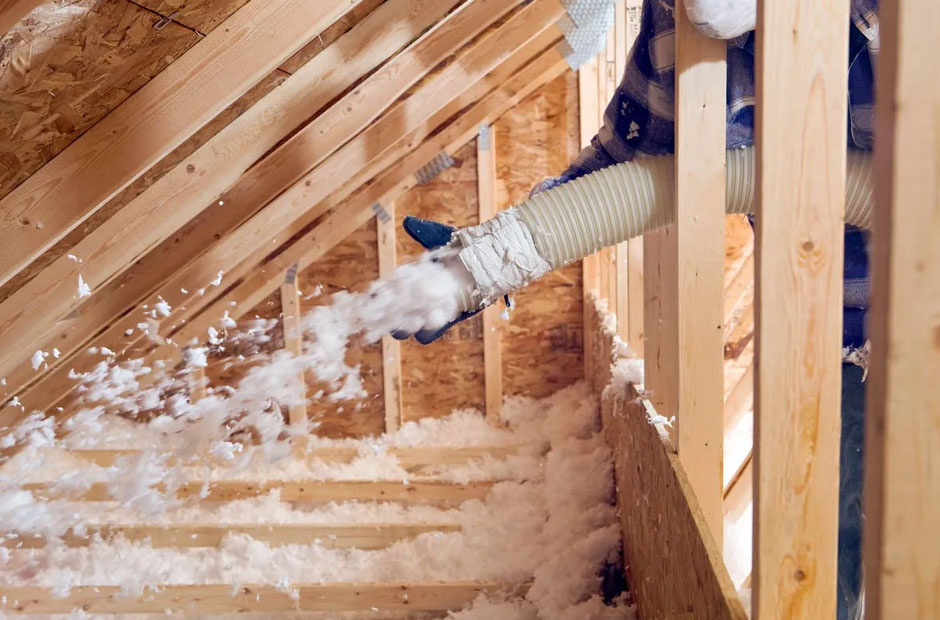
The attic serves as one of the most important insulation zones in any home. Warm air rises naturally and escapes through the roof when coverage is insufficient. This leads to higher heating demand during colder months. Poor attic insulation can also increase cooling costs in summer.
Selecting the best insulation for your attic creates a reliable barrier against heat loss and heat gain. Adequate coverage reduces temperature swings between seasons. It also decreases strain on HVAC equipment throughout the year. As a result, homeowners benefit from lower utility expenses and improved comfort.
Exterior Walls
Exterior walls directly influence indoor climate control. When insulation within wall cavities lacks depth or density, outdoor temperatures impact interior rooms quickly. This causes uneven temperatures and discomfort in certain areas. Proper wall insulation helps maintain balance.
Well-insulated walls prevent drafts and reduce unwanted airflow. This supports a stable indoor environment in both hot and cold seasons. In addition, improved wall insulation strengthens the home’s overall energy performance. Consistent coverage lowers heating and cooling demand over time.
Floors Above Unconditioned Spaces
Floors located above garages or crawl spaces require careful insulation planning. These areas separate living spaces from unheated zones. Without insulation, cold air rises through the floor during the winter months. This increases energy consumption and discomfort.
Proper floor insulation blocks temperature transfer between levels of the home. It minimizes cold spots and improves comfort across rooms. HVAC systems operate more efficiently when floor insulation performs well. Over time, this leads to noticeable savings on energy bills.
Basement and Crawl Space
Basements and crawl spaces also affect a home’s efficiency. Uninsulated foundation walls allow heat to escape and moisture to enter. This combination reduces indoor comfort and increases energy demand. Strong insulation protects these vulnerable areas.
Sealed and insulated crawl spaces limit air leakage and stabilize temperature conditions. Basement insulation helps preserve conditioned air within living areas. Therefore, the entire structure benefits from improved thermal control. Proper coverage in these spaces enhances long-term efficiency.
Doors, Windows, and Small Gaps
Small openings around doors and windows may seem minor, yet they contribute to significant heat loss. Air leakage through cracks weakens the insulation system. Sealing these gaps strengthens overall performance. Weatherstripping and insulation materials create an effective barrier.
Reinforced insulation around frames and entry points prevents drafts during seasonal shifts. This reduces strain on heating and cooling equipment. Controlled airflow supports steady indoor temperatures. Consequently, the home maintains comfort with less energy use.
Proper insulation extends beyond a single area of the home. Attics, walls, floors, basements, and small openings all influence thermal stability. When these spaces receive adequate coverage, energy waste decreases substantially. With thoughtful upgrades and professional evaluation, homeowners can achieve stronger efficiency and lasting comfort.