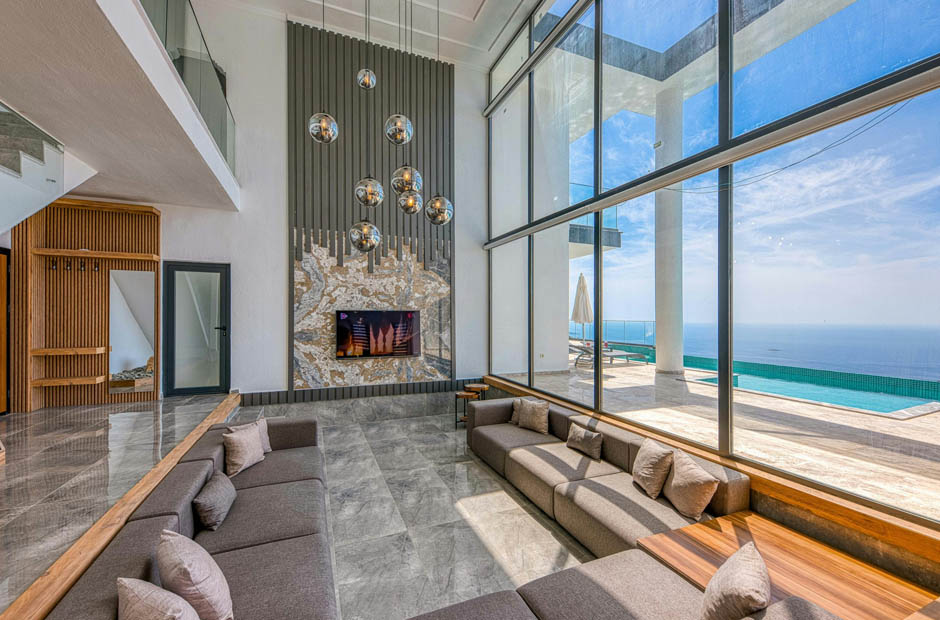
The modern interpretation of luxury homes has undergone a transformation, with a growing emphasis on eco-consciousness and responsible living. Homeowners in both established and emerging luxury markets are seeking properties that offer refined comfort paired with sustainability. This shift reflects a collective desire to preserve the planet, even in the most exclusive residences, without trading away elegance or convenience. Today’s high-end properties prove that sophisticated tastes and environmental values can coexist seamlessly, all while supported by expert guidance from Blue Ridge GA real estate agents Nathan Fitts & Team.
Incorporating sustainable practices into luxury homes minimizes environmental impact, enhances indoor health, and reduces expenses. Eco-friendly luxury living now represents a mark of distinction, combining high-quality materials and smart technology with environmental respect. Employing certified standards, renewable energy, water-saving systems, and natural lighting demonstrates a dedication to both comfort and ecological responsibility. These advancements transform traditional notions of luxury, merging opulence with community-minded decisions.
As upscale buyers become more environmentally aware, they are looking for homes that exemplify the future of responsible luxury. Embracing innovative practices and technologies, newly built and renovated luxury homes are making a positive impact, showing that indulgence and stewardship can go hand in hand.
Energy-Efficient Designs
Leading-edge luxury homes are distinguished by energy-efficient designs that help to curtail carbon emissions while maximizing year-round comfort. Incorporating features such as high-performance insulation and triple-glazed windows can dramatically reduce heating and cooling requirements. Homes are also often oriented to capitalize on passive solar energy, capturing warmth in cold months and providing natural shading in warmer ones. By leveraging renewable energy sources such as rooftop solar panels and geothermal systems, these homes deliver not only lower utility bills but also peace of mind for environmentally conscious homeowners.
Sustainable Materials
Material selection is a cornerstone of sustainable luxury. Elite builders and designers select reclaimed wood, recycled metal, and glass, as well as low-volatile organic compound (VOC) paints, to create stunning yet eco-friendly interiors. These materials bring a unique look and robustness while reducing the environmental burden associated with the extraction and manufacture of new resources. Custom elements crafted from reclaimed beams or recycled stone add character and authenticity to luxury spaces, underscoring the value of sustainability without compromising visual impact or longevity.
Smart Home Technologies
Luxury homes are increasingly adopting smart technologies to optimize efficiency and convenience. Advanced automation systems manage lighting, HVAC (heating, ventilation, and air conditioning), and landscape irrigation, ensuring resources are used only when needed. Smart thermostats learn a household’s preferences and adapt climate control accordingly, while intelligent lighting systems turn off when rooms are vacant, further reducing energy waste. These systems provide an intuitive living environment, elevating both comfort and resource consciousness for owners who want the best of both worlds.
Water Conservation Strategies
As droughts and water shortages become more common, effective water management is essential for luxury properties. Forward-thinking homes now feature rainwater harvesting systems and greywater recycling, which repurpose water for irrigation or other non-potable uses. Smart irrigation systems monitor soil conditions and weather forecasts to prevent overwatering, while low-flow fixtures in bathrooms and kitchens reduce overall water consumption. Incorporating native or drought-tolerant landscaping also lessens the irrigation burden while enhancing natural beauty throughout the property.
Biophilic Design Elements
Increasingly, affluent homebuyers are seeking spaces that foster a closer connection with the natural world. Biophilic design achieves this by incorporating features like living green walls, rooftop gardens, and panoramic windows that let in abundant sunlight. Indoor-outdoor living spaces blur the boundaries between home and landscape, providing restorative views of nature. Studies show that such design elements can reduce stress and enhance mental well-being while making homes visually striking and attuned to their environment.
Certifications and Standards
Home certifications provide assurances of a property’s commitment to sustainability. Programs such as LEED (Leadership in Energy and Environmental Design) and WELL Building Standard set benchmarks for greener building operations, covering aspects such as energy and water efficiency, air quality, and responsible material sourcing. Homes that earn these distinguished certifications are more appealing to eco-minded buyers and often command a premium at resale, adding value and credibility to the property’s green claims.
Conclusion
The evolving world of luxury real estate shows that a high standard of living and environmental mindfulness are not mutually exclusive. Through energy-efficient designs, eco-friendly materials, smart home automation, sustainable water practices, and biophilic elements, luxury homes can support both indulgence and stewardship. As more buyers seek this harmonious blend, the future of luxury living will continue to champion both individual comfort and the well-being of the planet.