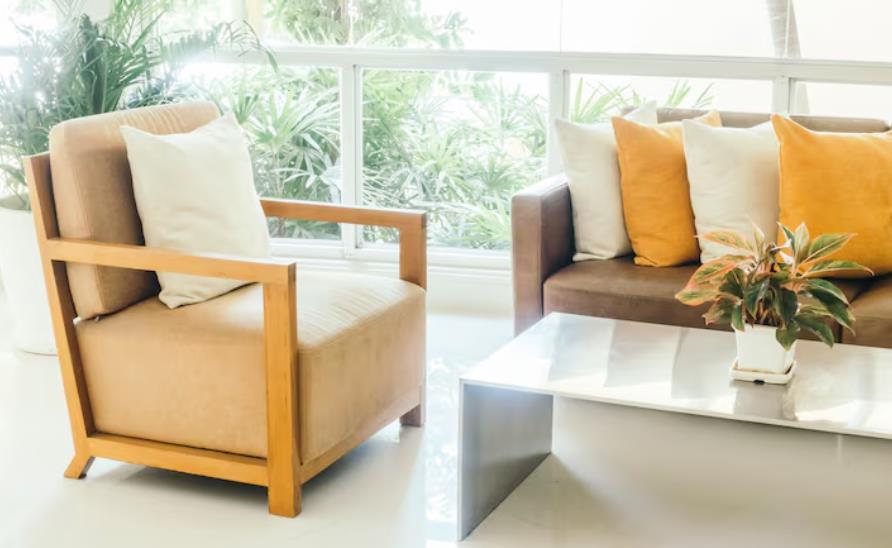
Singapore, a city celebrated for its striking skyline and multicultural vibrancy, has witnessed a significant surge in the demand for contemporary furniture that complements its fast-paced, modern lifestyle. The rise of contemporary furniture in Singapore is more than a trend—it is a reflection of the city’s evolving identity, a desire for functionality paired with style, and a growing awareness of sustainable living. Urban residents are increasingly seeking furniture that is not only aesthetically appealing but also adaptable to the demands of city living.
The Emergence of Contemporary Furniture Design
In the past decade, Singapore’s approach to interior design has undergone a transformation, heavily influenced by both global design trends and local cultural nuances. This shift is largely driven by residents who value urban sophistication, clean lines, and practical functionality. Contemporary furniture embodies a minimalist ethos while catering to the compact nature of city apartments and condominiums. Every piece is conceived to optimise space without sacrificing visual appeal, reflecting the pragmatic yet refined lifestyle that defines modern Singaporean living.
Contemporary furniture is no longer simply decorative; it is a statement of personal taste and a demonstration of lifestyle choices. The emphasis on uncluttered design and practical form ensures that furniture fits seamlessly into Singapore’s densely populated living environments, where efficiency is paramount. From modular seating to transformable storage units, contemporary pieces offer versatility that aligns with the demands of modern urban life.
Global and Local Influences
Singapore’s position as a global hub has allowed its furniture industry to draw inspiration from international design movements. Scandinavian minimalism, Japanese Zen philosophy, and Italian craftsmanship are among the most prominent influences shaping contemporary furniture in the city. These design approaches converge to create pieces that are functional, visually pleasing, and imbued with a sense of cultural sophistication.
Local designers are also reinterpreting traditional motifs to suit contemporary sensibilities. Elements inspired by Peranakan tile patterns, intricate wood carvings, and the use of natural materials such as bamboo and rattan are being modernised to appeal to today’s homeowners. This fusion of global techniques with Singaporean heritage creates a distinctive aesthetic that celebrates the city’s multicultural identity while delivering designs that are both stylish and practical.
Sustainability as a Core Principle
Environmental consciousness has become a major driving force in the design and production of contemporary furniture in Singapore. Increasingly, consumers are prioritising eco-friendly options, compelling designers and manufacturers to adopt sustainable practices. Materials such as responsibly sourced timber, recycled metals, and biodegradable finishes are now frequently used, and production processes aim to reduce waste and energy consumption.
This focus on sustainability reflects a broader societal awareness within Singapore, where urban growth coexists with environmental stewardship. By embracing green practices, contemporary furniture designers are meeting consumer expectations while contributing positively to the city’s environmental goals. Such eco-conscious furniture not only aligns with ethical principles but also appeals to homeowners who wish to create stylish interiors without compromising their commitment to the planet.
Functionality Meets Style
The hallmark of contemporary furniture in Singapore lies in its ability to balance aesthetic appeal with practical utility. Modular designs, multi-functional furniture, and clever storage solutions characterise the market. For instance, sofas often feature hidden compartments, dining tables can extend to accommodate guests, and beds incorporate adjustable frames or integrated storage.
These innovations are critical in a city where living spaces are typically compact, requiring furniture to perform multiple functions without appearing cumbersome. Designers are challenged to maintain clean lines and minimalist elegance while ensuring that each piece serves the diverse needs of urban residents. The result is furniture that is both practical and visually engaging, elevating interior spaces while optimising functionality.
Technology in Design and Manufacturing
Technology has become a transformative force in contemporary furniture design in Singapore. Computer-aided design (CAD) and 3D printing enable designers to explore intricate forms and precise dimensions, while virtual reality (VR) platforms allow clients to visualise how furniture will interact with their home spaces before purchase. These innovations facilitate bespoke solutions, providing greater accuracy and customer satisfaction.
Online platforms further enhance accessibility, allowing consumers to explore materials, finishes, and design options remotely. By offering detailed product insights, sustainability certifications, and interactive visualisations, the digital marketplace empowers buyers to make informed choices that match both their functional requirements and aesthetic preferences.
Notable Designers and Influencers
Singapore boasts a growing roster of contemporary furniture designers and brands who are shaping the local industry. Designers such as Gabriel Tan, alongside brands like Scene Shang and Journey East, have gained recognition for creating pieces that fuse traditional craftsmanship with modern design principles. These designers actively explore cultural motifs, material innovation, and functional adaptability, establishing Singapore as a hub for contemporary design excellence.
Collaboration between local and international designers is also common, fostering creative exchanges that push the boundaries of conventional furniture design. This cross-pollination of ideas strengthens the city’s reputation on the global stage and encourages innovation that resonates with both domestic and international audiences.
Challenges in the Contemporary Furniture Industry
Despite its growth, the contemporary furniture sector in Singapore faces several challenges. Fluctuating raw material costs can affect pricing and production, while competition from local artisans and international brands intensifies market pressure. Additionally, striking a balance between affordability and high-end design remains a persistent concern, as consumers seek value without compromising on quality or aesthetics.
To overcome these challenges, manufacturers and designers focus on efficiency, innovation, and differentiation. Creative use of materials, modular designs, and a focus on sustainability allow companies to maintain relevance while meeting consumer expectations. The industry’s resilience is reflected in its continual adaptation to changing trends and market demands.
The Future of Contemporary Furniture
Looking ahead, contemporary furniture in Singapore is poised to integrate even more technology and sustainable practices. Smart furniture with embedded sensors, modular automation, and adaptable storage solutions is likely to become increasingly prevalent, offering residents practical, intelligent solutions for modern living.
Sustainability will remain a cornerstone of design philosophy, with designers exploring new materials and manufacturing techniques to further reduce environmental impact. As consumer awareness of ecological responsibility grows, eco-conscious innovations are expected to shape trends in the coming years. The industry’s future will likely see a seamless fusion of functionality, style, and technology, reinforcing Singapore’s reputation as a design-forward city.
Conclusion
Contemporary furniture in Singapore is more than a stylistic preference; it is a reflection of the city’s culture, technological advancement, and environmental awareness. The dynamic evolution of this sector showcases the ability of design to adapt to modern urban living while embracing global influences and local heritage. From modular, multifunctional pieces to eco-friendly innovations and high-tech integrations, contemporary furniture continues to redefine how residents interact with their living spaces. Singapore’s furniture scene demonstrates that functionality, sustainability, and aesthetic excellence can coexist, offering a glimpse into the future of modern, conscious living.