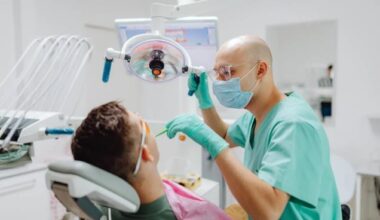
An emergency dentist specializes in providing immediate or urgent care to address sudden oral health issues, such as uncontrolled bleeding from the gums. Taking quick action in dental emergencies helps reduce the risk that minor issues will worsen and lead to complications, such as permanent tooth loss. Here are a few reasons to visit an emergency dentist:
Chipped or Broken Teeth
Direct trauma to your mouth or the face can lead to a chipped tooth. Incidents such as falling and striking your teeth on a hard surface will deliver a sudden, direct force that may crack the enamel. Repeatedly crunching hard objects or foods weakens tooth structure, eventually causing the enamel to fracture. Other risk factors for a chipped or broken tooth include untreated cavities, temperature changes in the mouth, and teeth grinding.
Minor chips that affect only the outer layer of a tooth are often treated with tooth-colored composite resin bonding. Larger breaks often require a dental crown to cover and protect the remaining structure; this helps to restore function and prevent further damage. When a break exposes the inner pulp or nerve, dentists often perform root canal therapy to remove affected tissue and preserve the tooth.
Knocked-Out or Dislodged Teeth
A knocked-out or dislodged tooth may result from:
- Weakness in the tooth or surrounding structures
- Slips, trips, or falls
- Impact from sports or physical activity
- Accidents causing facial or jaw injury
An emergency dentist first performs a comprehensive oral assessment when you visit with a knocked-out or dislodged tooth. This allows them to inspect the injury site, see if the socket is intact, and check for damage to nearby teeth or tissues. The dentist will clean the tooth. They will then attempt to reinsert it into the socket if it is still intact and not excessively damaged. After replanting it, the dentist performs splinting, a procedure that keeps the dislodged tooth stable. Splinting stabilizes a loose tooth by bonding it to adjacent healthy teeth, giving the supporting ligaments time to heal.
Your dentist can also stabilize adjacent teeth by splinting and repositioning them if the incident damaged or misaligned them. For a fully avulsed tooth, root canal treatment removes the damaged pulp and nerve. This helps protect the reimplanted tooth against infection. An emergency dental specialist may provide protective care, such as a custom mouthguard, to prevent future injuries that knock out or dislodge a tooth.
Uncontrolled Gum Bleeding
Diseases, such as periodontitis, which stems from untreated gingivitis, increase the risk of uncontrolled gum bleeding. The bleeding occurs when bacterial plaque hardens into tartar beneath the gum line. Tartar buildup irritates the gums, leading to inflammation, tenderness, and a tendency to bleed. To determine the cause of gum bleeding, a dentist examines the teeth and gums through visual inspection and may use dental X-rays.
Professional cleaning removes plaque and tartar, which helps reduce inflammation and control bleeding. In cases of acute gum bleeding, dentists apply dental adhesives or pack the area with sterile gauze to manage the issue. Emergency dental specialists may also recommend antimicrobial mouthwashes or prescribe medications; such medications include antibiotics to target bacteria that contribute to gum problems.
Dental Abscesses
Dental abscesses develop when bacterial infections triggered by an untreated injury or decay create a pus-filled, painful sac in a tooth. This oral issue is an emergency because it causes severe toothaches and increases the risk of systemic health problems. A professional dentist makes a small incision into the abscessed tooth to drain the accumulated pus and reduce pressure. The origin and severity of your dental abscess help the practitioner determine the appropriate treatment, such as tooth extraction.
Consult an Emergency Dentist Today
Visiting an emergency dental expert helps preserve your teeth and gums by addressing issues promptly. The right dentist conducts precise diagnoses and also creates tailored treatment plans to help achieve expected outcomes. Contact a reputable emergency dentist today to protect your oral health.