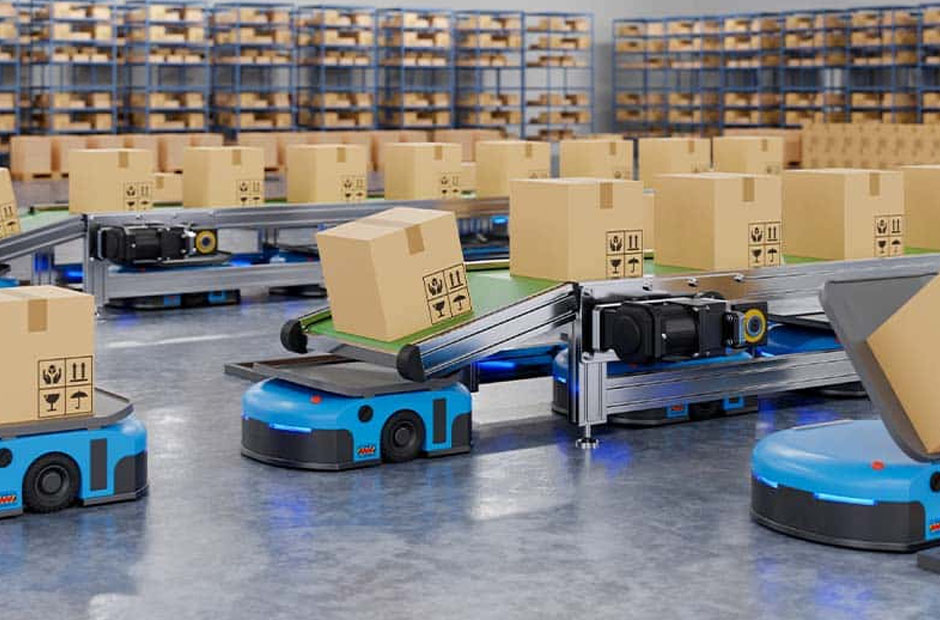
Delays are costly in warehouse environments. They slow fulfillment, strain labor, and ripple across the supply chain. While many factors contribute to inefficiency, outdated or mismatched equipment is often the root cause. Improving warehouse performance does not always require a full redesign. In many cases, it starts with smarter handling solutions that reduce friction in daily operations.
This article explores how modern equipment choices can cut delays, improve throughput, and support consistent, predictable workflows.
Why Delays Persist in Modern Warehouses
Warehouses today face constant pressure. Order volumes fluctuate. Labor availability changes. Customer expectations continue to rise. Yet many facilities still rely on handling systems designed for a different era.
Common causes of delay include inefficient material flow, excessive manual handling, equipment downtime, and poor layout compatibility. When materials stop moving smoothly, workers compensate. They walk farther. They wait longer. They improvise. Over time, these small inefficiencies compound into lost hours and missed service levels.
Addressing delays requires a practical look at how goods move from receiving to storage to shipping. Equipment plays a central role in that movement.
The Role of Handling Equipment in Operational Speed
Handling equipment determines how quickly materials can be moved, staged, and processed. When equipment is poorly matched to the task, it creates bottlenecks. When it is designed for the workload, it quietly accelerates everything around it.
Advanced handling solutions focus on three core outcomes: reducing touchpoints, minimizing travel distance, and maintaining flow. Conveyance systems, optimized containers, and purpose-built hoppers all contribute to these goals.
Speed, however, is not just about moving faster. It is about reducing interruptions. Equipment that requires frequent adjustments or repairs slows operations even if it looks efficient on paper.
Reducing Manual Intervention to Cut Cycle Time
Manual handling introduces variability. Workers differ in speed, strength, and experience. Repetitive lifting also increases fatigue, which leads to slower performance as shifts progress.
Modern handling equipment reduces the need for constant human intervention. Gravity-fed systems, automated discharge mechanisms, and ergonomic designs allow workers to focus on value-added tasks rather than basic movement.
For example, facilities that move bulk materials often struggle with awkward transfers between processes. Integrating solutions like low profile hoppers helps maintain a steady flow of materials while reducing lifting and repositioning. These systems sit lower to the ground, making them easier to load and integrate into existing layouts without added steps.
Improving Layout Compatibility and Space Utilization
Many warehouses are constrained by their footprint. Expanding square footage is expensive and slow. Equipment that fits the existing layout is often more valuable than larger, more complex systems.
Advanced handling solutions are increasingly designed with flexibility in mind. Modular components, adjustable heights, and compact footprints allow equipment to adapt to the facility, not the other way around.
When equipment aligns with aisle widths, dock heights, and storage zones, material flow becomes more direct. Fewer detours mean fewer delays. Over time, these layout-driven efficiencies improve overall cycle time without increasing labor.
Enhancing Reliability to Avoid Unplanned Downtime
Downtime is one of the most disruptive sources of delay. A single piece of failed equipment can stall an entire operation. Reliable handling solutions reduce this risk through durable construction and simplified mechanics.
High-quality equipment is not defined by complexity. In fact, simpler designs often perform better in demanding environments. Fewer moving parts mean fewer failure points. Clear maintenance access reduces repair time.
Industry safety and performance standards also play a role here. Many warehouse operators align equipment decisions with guidance from organizations like the Occupational Safety and Health Administration (OSHA) to ensure systems support both productivity and safe operation.
Supporting Consistent Throughput During Peak Periods
Peak seasons expose weaknesses in warehouse operations. Equipment that performs adequately under normal loads may struggle when volumes spike. Delays become more visible. Labor costs increase.
Advanced handling solutions are built to handle variability. They support consistent throughput even as order profiles change. Adjustable flow rates, scalable configurations, and robust materials help equipment perform under pressure.
Consistency matters because it allows better planning. When managers trust their systems, they can schedule labor more effectively and avoid reactive decision-making.
Safety as a Driver of Efficiency
Safety and efficiency are closely linked. Unsafe equipment slows work. Workers hesitate. They take extra precautions. Incidents cause stoppages and investigations.
Modern handling equipment improves safety through ergonomic design, controlled movement, and clear operating procedures. When workers feel confident using equipment, they work more steadily.
Reducing manual lifting, limiting pinch points, and ensuring stable material flow all contribute to safer operations. Over time, this safety-driven efficiency reduces delays caused by injuries and absenteeism.
Evaluating Equipment Based on Total Operational Impact
Choosing handling equipment should go beyond upfront cost. The true measure is operational impact. Does the equipment reduce steps? Does it integrate smoothly? Does it require frequent maintenance?
Facilities that evaluate equipment through this broader lens tend to see better results. They focus on lifecycle performance rather than short-term savings.
Advanced handling solutions often pay for themselves through reduced delays, lower labor strain, and improved throughput. The return is measured in time saved and consistency gained.
Moving Toward Smoother Warehouse Operations
Delays are not inevitable. They are often the result of incremental mismatches between processes and tools. By addressing these gaps with advanced handling solutions, warehouses can create smoother, more predictable operations.
The goal is not constant acceleration. It is a steady flow. Equipment that supports that flow quietly removes friction from daily work.
As warehouses continue to adapt to changing demands, thoughtful equipment choices will remain one of the most effective ways to cut delays and protect operational efficiency.