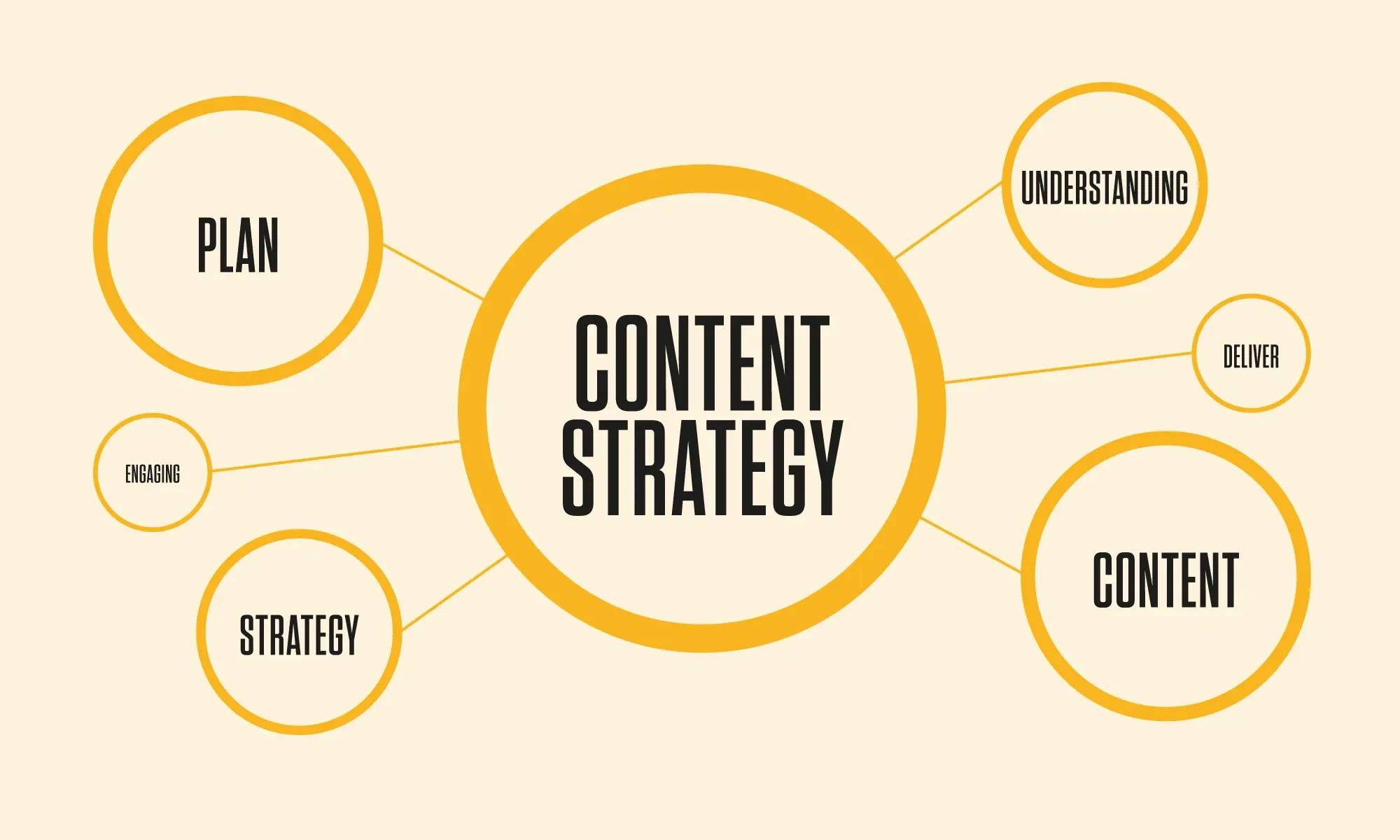
There is a lot of content all about in the digital marketing arena, but there is hardly any effective content. Posting high-impact content that is well planned goes beyond attracting visitors. It stimulates more user activities and converts casual readers into loyal readers. The real measure of content success is engagement in the form of clicks, shares, comments, and conversions.
This article discusses the importance of the high-impact content strategy as a method of engaging and creating long-term value by businesses, which appears to be an art that can be mastered.
What Makes a Content Strategy High-Impact?
The key strategic foundation of the high-impact content strategy is purpose and precision. It does not publish anything, and instead, it conveys value-based messages that are in line with the business objectives and the expectations of the audience.
Relevant, useful, and timely content is something that will attract more users to act. When targeting high-impact strategies, content quality is prioritized over quantity, and every piece is given a clear role- informative, motivational, or turning the users.
Engagement can be enhanced with Audience Knowledge
Understanding your audience is the key factor, as you will be the one making the content that does not matter. Being aware of the people who are going to view your content, the issues they experience, and the way they experience content, you can create messages that resonate.
The content that is tailored and relatable to the audience becomes more active as audience-oriented content. To keep engagement levels high and the audience narrowed down, one can work with analytics, surveys, and user behavior data.
Create Action-Oriented Content That Converts
Directionless content does not always work. Strong and unambiguous calls-to-action (CTAs) are categorized as high-impact content and assist the user in moving on to the next action. User engagement-driven actions that are effective include, for instance:
- Asking readers to leave comments or opinions
- Encouraging social media shares
- Offering free guides or resources
- Inviting users to subscribe or sign up
Consumed in unison under an app, they are used in praise of user engagement and argonne interactivity with less pain yet more gain.
Use Storytelling and Visuals to Keep Users Interested
Storytelling constitutes an art of making an easy material attractive. The use of real-life case studies and relatable stories to the audience’s experience draws in the audience’s attention easily and at the same time creates a pact with the users.
Moreover, the application of visuals like photos, videos, infographics, and interactive media contributes significantly to the enhancement of engagement. They enhance better readability, content monotony, and encourage more user activity due to longer retention of the users on the page.
SEO and User Experience Go Hand in Hand
Optimization of search engines does not simply mean ranking, but it also means providing a superior user experience. Properly formatted content with accurate headings, brief paragraphs, and natural location of keywords enhances visibility and attraction.
Through the clever employment of the keyword, user engagement gets a boost by making your text easy to read. Your work is then more pleasant for both the search engines and the users. Pages that load quickly and layouts suitable for mobiles are vital for holding on to and winning over users.
Continuously Enhance and Track Performance
The content strategy that always changes and matures is the one that gets to the top. They will be able to single out the points of strength and weakness in their content strategies by tracking different performance indicators like bounce rate, session length, and engagement etc.
Thus, the brands can take the right steps and constantly pull the users in to interact with their content. The process of improvement is continuous as the long-term success of the company is guaranteed in such a digitally competitive market.
Final Thoughts: Turning Content into Engagement
The high-impact content strategy is an art of developing content that resonates, interests, and converts. The business can push for greater user activity by focusing on the customers’ needs, creatively telling the story, and featuring a unique call-to-action along with a seamless user experience.
Further, strategic and user-centric content is more than mere data. It is an efficient way of communication, a source of trust, and a way of increasing the market share gradually and steadily.