In the current competitive world of digital space, attention will no longer suffice. Brands need to provoke action- and not action, but action that leads to actual business outcomes. This is where our behavioral stimuli in digital marketing come in. Through the cognitive processing of users, marketers are able to develop campaigns that result in more effective activity as opposed to a passive response.
What Are Behavioral Triggers?
Behavioral triggers are essentially the mental primings that cause users to react in a certain way. These actions can be exemplified through clicking a link, signing up for a newsletter, buying something, or going back to a site. The triggers are based on the feelings of humans, namely urgency, curiosity, social proof, or personalization.
If used properly, behavioral triggers will be the ones to bring together the marketing messages and user intent, thereby resulting in engagement rates going up and conversions being better.
Why Behavioral Triggers Matter in Digital Marketing
Conventional marketing tends to be concerned with prominence and coverage. Nevertheless, contemporary digital marketing is concerned with relevance and timing. Behavioral triggers enable the brands to present the appropriate message at the appropriate time so that they can get more meaningful activity from the audience.
In contrast to generic ads, triggered campaigns are responsive to actual user activity: browsing history, shopping carts, historical purchases, or any other type. This is why interactions with such campaigns are more personal and effective.
Key Behavioral Triggers That Drive Results
1. Urgency and Scarcity
The most potent behavioral triggers the most potent are urgency. Offers that are limited in time, countdown timer, and low-stock notifications provoke the user to act fast. When individuals feel they may miss out, they tend to participate.
Sample: 3 seats remaining. Book now.
This strategy assists the brands to become more proactive since indecisiveness is transformed into action.
2. Social Proof
People have faith in others. The content created by the users, the feedback, the endorsements, and the scores will be the indicators for the potential buyers that they are making the right decision. The social proof removes the uncertainties and also adds credibility.
Sample: Counted more than 50,000 customers worldwide who trust.
The application of social proof strategically will create stronger confidence and encourage users to become more involved with your brand.
3. Personalization
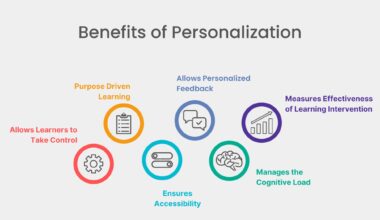
Personalization is no longer a choice. Users have demands for customized experiences depending on their preferences and behavior. Users will feel heard as a result of personalized emails, product suggestions, and content suggestions.
Personalization through behavior assists marketers to achieve better, meaningful activity since users are much more likely to react to the message that appeals to them.
4. Reciprocity
The concept of reciprocity indicates that individuals feel obliged to repay once they have been accorded something that is valuable to them. The presence of free materials such as eBooks, trial versions, or special access will provoke users to make the next step.
Sample: Get our free guide and enhance your strategy today.
This trigger creates trust and leads to engagement.
5. Fear of Missing Out (FOMO)
FOMO and urgency are virtually synonyms, albeit with a sexist twist. The emphasis on the loss that users will experience in case of no action can play a crucial role in boosting conversions.
Sample: You do not want to miss the wisdom that your competitors already have.
The ethical and authentic use of FOMO-based messaging may be potentially useful in getting more meaningful activity.
Using Behavioral Triggers Across Digital Channels
The application of behavioural triggers can be incorporated in various platforms, which can include:
- Email surveillance cart recovery emails, re-engagement emails.
- Websites exist, dynamic landing pages.
- Social media advertising behavioural retargeting.
- Mobile applications push notifications depending on user activity.
Consistency and data-based decision-making are key. The user behavioral analysis enables the marketer to perfect the triggers and enhance results as days go by.
Final Thoughts
Behavioral triggers do not deal with manipulation; it is rather your comprehension of what your listeners want and how to deliver it in a better way. They assist in ensuring that when applied strategically, brands receive increased meaningful activity in the sense of turning interest into action and engagement into loyalty.
With the abundance of clutter in the digital world, behavioral triggers offer a marketer an exceptional opportunity to engage, convert, and deliver sustainable value. Psychology, personalization, and timing of digital marketing would enable businesses to make their digital marketing endeavors measurably successful.