Open Sightlines and Daylight
Glass balustrades remove visual barriers and bring light deeper into spaces. Where cumbersome rails traditionally divided space, translucent panels allow unbroken views. Effect is immediate. Wider rooms seem. Corridors breathe. Sculptural staircases are not fenced paths.
In compact urban properties, including London apartments and townhouses, every centimeter matters. By removing visual weight, glass creates the sensation of expansion without altering the footprint. Daylight flows like water around edges and platforms, turning mezzanines and landings into bright stages rather than shadowed interludes. The openness adds comfort during busy office hours too, reducing visual clutter and helping occupants maintain focus.
Strength Where It Counts
Safety sits at the heart of modern glass balustrade systems. Panels are built from toughened or laminated safety glass designed to resist heavy impact. Toughened glass undergoes controlled heating and cooling to increase its strength. Laminated options add a resilient interlayer that holds fragments together if the outer panes break.
Critical details deliver peace of mind. Edges are polished to reduce chipping. Fixings are engineered to handle load, whether dot fittings, channels, or post systems. Handrails can be integrated for tactile support on stair runs. Transparent barriers also enhance situational awareness. People see what lies beyond steps and balcony lines, an underrated benefit that helps prevent missteps and collisions.
Outdoors, glass provides wind protection without blocking views. On terraces and roof decks, panels dampen gusts while keeping the panorama intact. Indoors, they provide a continuous guard against falls on landings and gallery levels. The result is a quiet guardian, present but unobtrusive.
Style Without Visual Clutter
Glass is popular with architects and homeowners for its design adaptability. It matches most palettes. Oak treads add warmth. Put it against blackened steel for industrial vibes. Nestle it in stone for eternal contrast. Glass doesn’t compete, so other materials can shine.
Frameless installations deliver a minimalist line, floating panels that appear to hover. Semi-frameless systems add slim profiles for a crisp border. Framed designs use posts or rails for a more traditional read without sacrificing transparency. Finishes tailor privacy and tone. Frosted glass softens views. Tinted panels temper daylight and add a subtle hue. Low iron glass delivers extra clarity, removing the green cast common in standard panes. Decorative interlayers, patterns, or gradients create statement surfaces while preserving the sense of openness.
Easy Care for Busy Spaces
Glass balustrades simplify maintenance routines. Unlike timber, they do not need periodic staining. Unlike unprotected metals, they do not corrode in humid settings. A standard glass cleaner and a microfiber cloth handle most care, whether in a high-traffic lobby or a family staircase.
Hardware choices, such as stainless steel posts and anodized aluminum channels, reduce long term wear. Scratch resistant options and protective coatings help keep surfaces pristine. Routine cleaning is quick, made easier by the absence of ornate profiles that trap dust. In offices, this translates to lower maintenance costs. At home, it means less weekend upkeep and more time enjoying the space.
A Greener Choice
Glass carries a credible sustainability story. It can be recycled and repurposed multiple times without losing its core properties. A long service life reduces the need for replacement, conserving resources over decades of use. In daylight rich designs, glass balustrades help distribute sun throughout interiors, cutting reliance on artificial lighting during daytime hours.
Many manufacturers incorporate recycled content in production. Efficient transport and modular installation lower site waste. Choosing materials with durable finishes reduces chemical use over the lifespan. The net result is a barrier that aligns with eco minded construction goals while delivering the desired aesthetic.
Value and Market Appeal
Premium finishes and contemporary detailing tend to attract buyers and tenants. Glass balustrades signal a modern upgrade that elevates both perception and function. In residential settings, they transform ordinary staircases into centerpieces. In commercial properties, they project professionalism and polish.
Because glass opens space and amplifies light, it can influence how quickly a property rents or sells. Prospective occupants respond to clarity and calm. Furniture showcases better without heavy railings in the way. Sightlines from entry to window extend the initial impression. Over time, those advantages contribute to stronger market positioning and, in many cases, higher valuations.
Where Glass Balustrades Fit Best
Applications range widely. Indoors, they suit staircases, landings, galleries, atriums, and mezzanines. In offices, they create clear boundaries around collaboration areas without isolating teams. In hospitality and retail, they contour circulation routes while keeping merchandising visible.
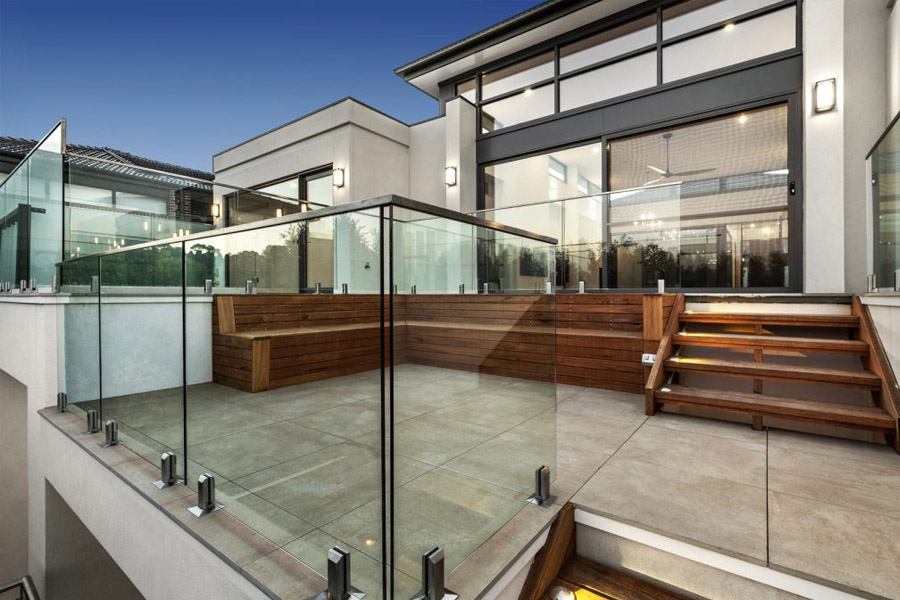
Outdoors, glass secures balconies, terraces, and garden steps, bringing safety without sacrificing the view. On rooftop spaces, panels provide wind screening with minimal visual interruption. Within multi level layouts, continuous transparency ties floors together, creating a cohesive architectural narrative that feels intuitive to navigate.
FAQ
Are glass balustrades safe for families and pets?
Yes. Systems use toughened or laminated safety glass designed to withstand high loads and impacts. Laminated panels include an interlayer that holds fragments in place if breakage occurs. Properly installed fixings, handrails, and compliant heights provide reliable fall protection. The clear barrier also helps adults monitor children and pets, since there are no opaque sections hiding movement.
Do glass balustrades offer privacy options?
They can. Frosted and etched finishes soften or obscure views while keeping light levels high. Tinted glass moderates brightness and adds a subtle color tone. You can mix clear panels with privacy panels in areas that require visual screening, such as between neighbors on a terrace or alongside a desk cluster in an office.
How difficult is maintenance day to day?
Maintenance is straightforward. Regular cleaning with a glass solution and a soft cloth is usually enough. Avoid abrasive pads that can mark the surface. Hardware in stainless steel or anodized aluminum resists corrosion, making the system durable in kitchens, bathrooms, and exterior spaces. Annual checks of fixings and seals keep everything secure and aligned.
What types of glass are commonly used?
The most common options are toughened glass and laminated safety glass. Toughened glass offers increased strength and is popular for internal stairs and landings. Laminated glass, with a bonded interlayer, is favored for areas where retained integrity after breakage is important, such as balconies and high traffic commercial zones. Thickness varies by application and required load ratings.
Can glass balustrades be installed outdoors?
Yes. Outdoor installations on balconies, roof terraces, and garden steps are common. Panels handle weather well, especially when combined with corrosion resistant hardware. Drainage design, expansion joints, and appropriate sealants ensure longevity. Tinted or heat absorbing options can help manage solar gain in exposed locations.
Will glass balustrades make my property feel colder or louder?
They typically improve perceived warmth by maximizing sunlight and reducing visual barriers. While glass is not a heavy acoustic absorber like thick masonry, many installations benefit from reducing reverberation through thoughtful furnishing and soft finishes nearby. On balconies, panels can reduce wind exposure without blocking the view, which often makes outdoor areas more comfortable.