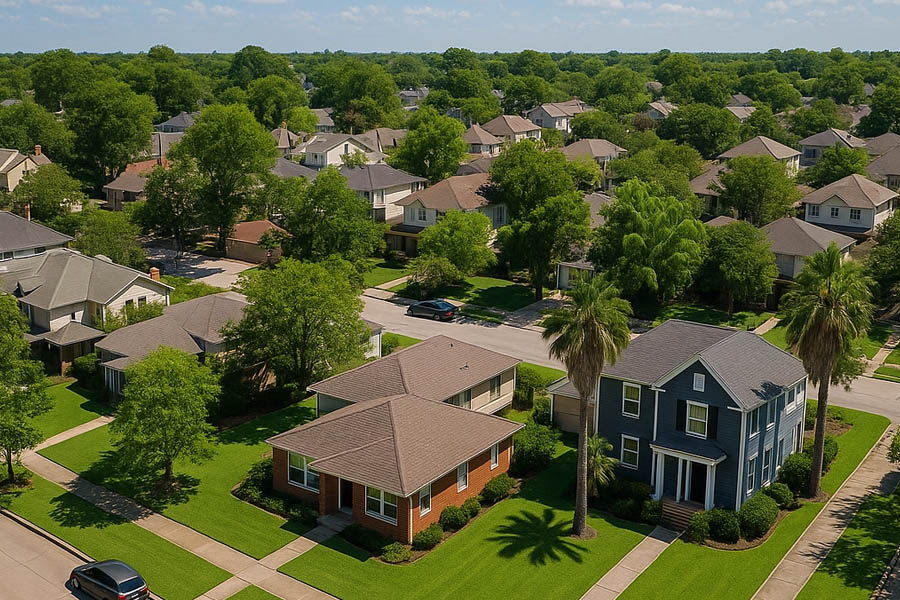
A City of Contrasts That Shapes Every Assessment
Houston is a mosaic of neighborhoods, each moving to a different rhythm. From bustling commercial corridors to quiet residential streets, the pace of growth can change in a single mile. That diversity shows up in property valuations. It is the reason many owners rely on skilled tax consultants who can read the map and chart a calm route through fluctuating assessments. Consultants bring local insight, financial discipline, and proven tactics. Their work reduces surprises and supports long term planning.
In a city where one district surges while another steadies, paying attention to the subtle signals matters. A new development may push values upward. Infrastructure improvements might strengthen a commercial block. A shift in buyer demand could cool an area for a season. Consultants watch these changes and translate them into practical guidance that helps owners prepare for the next tax cycle.
Tracking Valuation Trends Across Districts
Valuation trends are never static. Consultants study local data that shows where values rise, where they pause, and how market activity redistributes pressure. The goal is to anticipate what the next assessment could look like rather than react after the bill arrives. This review informs budgets, capital plans, and hold or sell decisions.
Recent market indicators are compared to historical estimates. They notice minor patterns like progressive appreciation in one subdivision or stronger gains near a new transit link. This study illuminates value changes. Owners get clarity when an expert charts the tide and predicts adjustments.
Inspecting Property Condition and Documenting Improvements
The physical condition of a property affects its assessed value. Consultants conduct thorough evaluations that consider age, structure, materials, functionality, and curb appeal. They catalog upgrades and verify whether those improvements were captured correctly by the appraisal district. A kitchen remodel, a roof replacement, a permitted addition, or energy efficient windows can move the value needle.
Documentation is the anchor. Detailed records of maintenance, repairs, and enhancements are essential when presenting a case for fair evaluation. Consultants collect invoices, permits, contractor reports, and photos. They frame these items in a way that explains how the property changed and why the valuation should reflect the current reality. If a feature boosts market value, they quantify it. If a defect or deferred maintenance constrains value, they document it clearly.
Pinpointing Exemptions and Credits That Cut Bills
Exemptions and credits can significantly reduce the taxable value or final bill. Consultants identify what applies and confirm that filings meet every requirement. They focus on several common opportunities that Houston property owners pursue.
- Homestead exemptions for qualified primary residences
- Senior and disability exemptions that lower taxable value
- Veterans exemptions based on state rules and service qualifications
- Local incentive programs tied to location or redevelopment goals
- Energy related credits linked to recognized upgrades and efficiency measures
Each option has its own criteria. Accurate records, timely applications, and correct forms are as important as eligibility itself. Consultants build a structured checklist that keeps filings complete and compliant. By aligning exemptions and credits with the property profile, they help owners capture savings without risking errors that delay or negate benefits.
Verifying Assessment Data for Accuracy
Assessment data is not infallible. Minor errors can create major costs. Square footage may be outdated. A classification may be incorrect. Features could be listed that no longer exist. Tax consultants scrutinize the recorded data and compare it with current conditions on site. They look for mismatches and then assemble evidence that supports correction.
When discrepancies appear, they prepare a clear narrative with factual support. This often includes measurements, photos, professional evaluations, and relevant permits. The objective is to ensure that the assessed value mirrors the actual property. Precision prevents unnecessary strain on an annual budget and reduces the risk of overpaying for years to come.
Using Market Comparisons to Challenge Valuations
Fair valuation is based on comparable sales. Consultants compare prices and assessments of similar properties. Features, age, condition, lot size, and location match. They check recent sales data to evaluate if the property fits the trend or stands out.
For residential sites, they may analyze a tight radius of comparable homes that share core characteristics. For commercial properties, they might expand the search to include relevant asset classes and consider income metrics where suitable. If the assessed value exceeds reasonable market patterns, consultants present these comparisons to support adjustment requests. When the numbers tell a coherent story, owners have a stronger position in any review or appeal.
Staying Current on Regulatory Shifts and Deadlines
Local rules evolve. Filing windows change. Methods of valuation can be updated. Consultants track regulatory shifts across appraisal districts and translate legal changes into practical steps. They keep an eye on deadlines so filings are on time and complete. They also explain new standards in plain language, which saves owners from confusion and late corrections.
Regulatory updates may alter exemption eligibility, documentation needs, or dispute procedures. By staying informed, consultants adjust strategies early. This vigilance keeps clients ahead of administrative requirements and reduces the stress that often accompanies a rapidly moving compliance calendar.
Building a Tax Strategy Tied to Budget and Investment Goals
Property tax is not a stand alone cost. It is intertwined with cash flow, reserve planning, financing, and investment timelines. Consultants help owners integrate tax expectations with their broader financial aims. That might mean forecasting how an improvement will influence next year’s bill. It could be modeling how different market scenarios change holding costs over several years.
They look at capital expenditures, maintenance cycles, and leasing plans. They review how tax outcomes affect net operating income on commercial properties. They suggest pacing for upgrades so values adjust in a manageable arc rather than a sudden jump. With a cohesive strategy, owners navigate with confidence and reduce the odds of surprise expenses that upset budgets.
Evidence and Appeals The Consultant’s Toolkit
When a valuation appears off target, the appeals process becomes critical. Consultants assemble a toolkit of evidence. This typically includes verified measurements, third party assessments, contractor documentation, and robust comparable sales data. They present a concise case that focuses on facts and avoids unnecessary rhetoric.
They also coach owners on how to communicate with appraisal officials. The tone matters. The clarity of the packet matters more. A carefully built submission often resolves issues early. If formal hearings are needed, consultants prepare testimony that aligns with objective data. The aim is fairness, not a windfall. A well supported claim is more likely to lead to a balanced outcome.
FAQ
What makes Houston property valuations vary so widely between neighborhoods?
Valuations reflect local market activity, development momentum, infrastructure upgrades, and buyer demand. One district may experience new construction and rapid appreciation. Another might stabilize due to limited sales or shifting preferences. These forces create unique valuation pressures that consultants track and interpret for owners.
How do consultants use property condition to influence assessed value?
They document the current state of the property with permits, invoices, photos, and professional reports. Improvements like structural upgrades or energy efficient systems can raise value. Deferred maintenance or dated features can temper it. By aligning the recorded assessment with real conditions, they support a fair valuation.
Which exemptions are most common for Houston homeowners?
Homestead exemptions are widely used by owners who occupy their primary residence. Senior and disability exemptions reduce taxable value for eligible individuals. Veterans exemptions are available under defined state rules. Each exemption requires specific documentation and timely filing to take effect.
Can energy efficient upgrades lower my property tax bill?
Energy related credits may apply to qualifying upgrades. The impact depends on local programs and documentation. Consultants verify the eligibility criteria, gather proof of the improvement, and ensure the filing matches regulatory requirements. When approved, these credits can lower annual costs.
How do market comparisons help in an appeal?
Comparables show what similar properties are selling for and how they are assessed. Consultants match features and location, then present sales evidence. If the assessed value is out of step with the market, this data provides a reasoned basis for adjustment. It is one of the strongest tools in dispute resolution.
What happens if the appraisal district has outdated measurements?
Consultants remeasure and support corrections with clear evidence. They submit updated figures, diagrams, and independent evaluations. Adjusting the record to match the physical reality can reduce inflated valuations and lead to more accurate tax bills.
Why is staying current on regulations so important?
Rules around filing, exemptions, and appeals can change. Missing a deadline or misunderstanding new documentation standards can cost money. Consultants monitor updates and translate them into actionable steps, which helps owners remain compliant and avoid avoidable penalties.
How do consultants integrate tax planning with broader financial goals?
They forecast tax impacts alongside budgets, capital plans, and investment timelines. They help owners phase improvements, plan reserves, and model different valuation scenarios. The result is a coordinated approach that stabilizes cash flow and supports long term decisions.