Introduction
Every successful construction project, whether a new housing development or a massive infrastructure undertaking, begins with a critical first step: construction site development. This crucial phase transforms raw land into a buildable, functional space. Without proper preparation and strategic planning, even the most innovative designs can face costly delays, structural issues, and environmental challenges.
We understand that site development involves much more than just moving earth. It requires a deep understanding of regulatory frameworks, technical engineering, and strong leadership. It’s about creating a stable, safe, and compliant foundation for everything that follows.
We will explore the best practices that underpin effective construction site development. We will delve into how local governments strategically use zoning and land-use regulations. We’ll also examine the essential technical aspects of ground preparation, including soil mechanics, grading, and utility installation. These comprehensive site preparation services are vital for ensuring a project’s long-term success and stability. Finally, we will highlight the critical role of strong field leadership and operational governance in managing these complex projects from concept to completion.
Fundamentals of Construction Site Development and Regulatory Dynamics
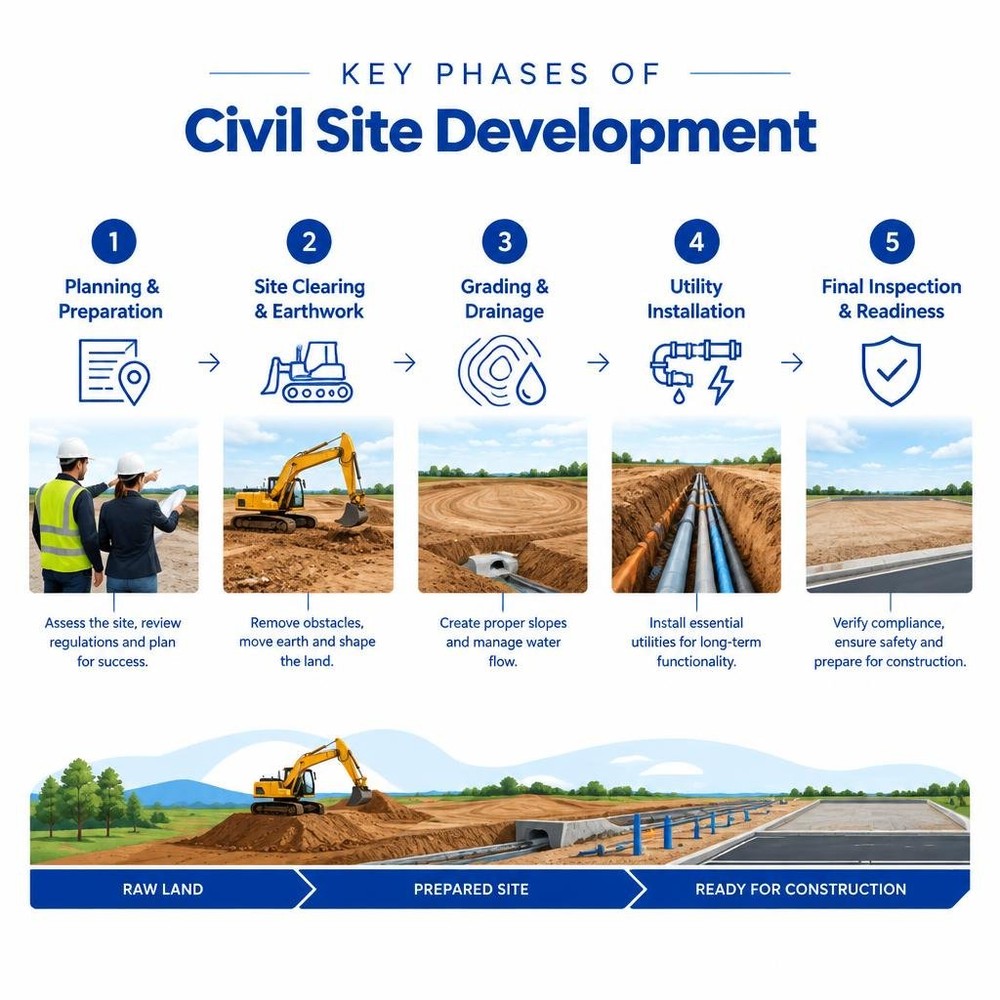
Construction site development is fundamentally shaped by a complex interplay of physical and regulatory factors. At its core, it involves the conversion of raw land into a usable state, a process heavily influenced by local government policies. Municipalities strategically employ zoning and land-use regulations not only to guide growth but also to actively compete for what’s known as the “mobile tax base”—businesses and residents whose presence generates property and sales tax revenue. This competition has observable implications for urban expansion, often leading to distinct patterns of development.
Local governments, facing fiscal constraints and often relying heavily on property taxation, are incentivized to attract development. This can manifest as a strategic loosening of land-use regulations or the offering of development incentives. The decisions made by one municipality can have ripple effects on its neighbors, creating a dynamic environment where interjurisdictional competition is a significant driver of land supply. Research, often employing spatial econometrics, helps us understand these complex interactions, revealing how local choices cascade across a region. For example, strategic growth controls have been observed in over 200 European metropolitan areas, demonstrating a widespread phenomenon where local jurisdictions actively manage their land supply to gain a competitive edge. This regulatory environment can significantly impact the timing and nature of site development projects across a region.
Strategic Zoning and Rural-to-Urban Land Supply
The concept of strategic interaction among local governments in land supply decisions is not merely theoretical; it’s an observable phenomenon with significant consequences. Empirical evidence, particularly from the Spanish municipal context between 2003 and 2011, strongly supports the existence of such strategic behavior. During this period, municipalities frequently engaged in what researchers describe as Cournot-style competition. Imagine towns as firms vying for the same market—in this case, developable land and the tax revenue it generates. When one municipality lowers its minimum lot size or streamlines permitting to attract developers, neighboring towns often feel compelled to follow suit to avoid losing potential development opportunities.
This interjurisdictional competition can be a primary driver of urban sprawl, as municipalities convert rural land to urban uses at an accelerated pace. The mobile tax base—residents and businesses—reacts to these regulatory changes, creating feedback loops that influence future zoning decisions. For instance, if a municipality relaxes its zoning to attract new residential projects, it might draw residents from adjacent areas, prompting those neighbors to consider similar deregulation. This dynamic underscores a unique insight: local governments frequently act strategically rather than in isolation when setting land-use policies. This competitive environment directly influences the timing and viability of site development projects, making it crucial for developers to understand the broader regional regulatory landscape. Land-use regulation, in fact, can account for up to 30% of the variation in housing supply across different regions, highlighting its profound impact.
Fiscal Drivers of Municipal Land Allocation
The pressure to convert rural land to urban uses is often rooted in the fiscal realities faced by municipalities. With limited local tax instruments beyond property taxes, and increasing demands for public services, local governments are under constant pressure to expand their tax base. Higher property tax revenues, coupled with the potential for increased economic activity, provide strong incentives for municipalities to promote urban conversion. This drive is particularly pronounced when fiscal constraints are tight.
The extent to which municipalities engage in this conversion varies significantly based on factors such as jurisdictional size, wealth, and political considerations. Larger, wealthier jurisdictions might have more diversified revenue streams or greater capacity for long-term planning, potentially allowing them to be more selective in their development. Conversely, smaller or less affluent municipalities might be more aggressive in pursuing any development that promises an immediate increase in tax revenue. Political factors, such as local elections or the influence of development lobbies, can also play a crucial role in shaping land allocation decisions. When one municipality relaxes zoning, it can attract residents and businesses away from neighboring areas, prompting a competitive response that reshapes regional land-use patterns. Understanding these economic incentives is vital for anyone involved in construction site development, as they directly influence where and how land becomes available for building.
Technical Engineering and Ground Preparation
Beyond the regulatory landscape, the physical transformation of a site is where technical engineering expertise becomes paramount. Ground preparation is the bedrock of any successful construction project, encompassing a series of critical steps from mass excavation to sophisticated drainage design. These processes ensure the site is stable, safe, and ready to support the intended structures.
Mass excavation involves the large-scale removal of earth to achieve the desired contours and elevations for foundations, basements, and general site grading. Following this, laser grading provides unparalleled precision, ensuring that the ground slopes are exactly as engineered for optimal drainage and structural support. Soil compaction is another non-negotiable step, increasing the density and bearing capacity of the soil to prevent future settlement. Erosion control measures are implemented from the outset to protect the site and surrounding environment from sediment runoff, while meticulous drainage design prevents water accumulation, which can undermine foundations and cause long-term structural issues.
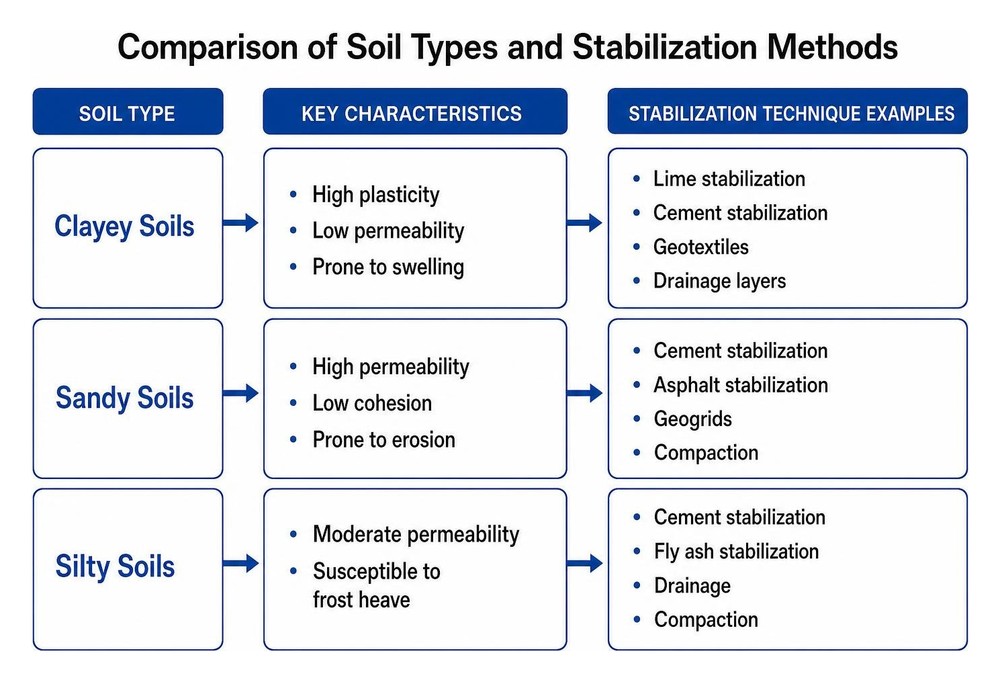
| Soil Type | Key Characteristics | Stabilization Technique Examples |
|---|---|---|
| Clayey Soils | High plasticity, low permeability, prone to swelling | Lime stabilization, cement stabilization, geotextiles, drainage layers |
| Sandy Soils | High permeability, low cohesion, prone to erosion | Cement stabilization, asphalt stabilization, geogrids, compaction |
| Silty Soils | Moderate permeability, susceptible to frost heave | Cement stabilization, fly ash stabilization, drainage, compaction |
| Organic Soils | High compressibility, low strength | Preloading, deep mixing, stone columns, soil replacement. |
Soil Mechanics, Grading, and Construction Site Development Preparation
The physical characteristics of the soil are perhaps the most influential factor in ground preparation. Different soil types present unique challenges and require specialized approaches. For instance, the red clay common in areas like North Georgia demands specific compaction and drainage solutions. This type of soil, while stable when dry, can become highly plastic and unstable when saturated, making it prone to water intrusion if not properly managed. Subgrade stabilization, moisture conditioning, and specialized soil processing are crucial for ensuring the long-term integrity of the construction. This might involve adding stabilizing agents like lime or cement, or integrating geotextiles to enhance strength and filtration.
Proper grading is not just about aesthetics; it’s a fundamental engineering practice that dictates how water moves across and away from the site. Precise grading prevents future drainage issues and structural instability, which can be particularly critical in regions experiencing heavy seasonal rains. For example, North Georgia’s spring storms can quickly turn improperly graded sites into costly problems. Utilizing laser-guided equipment ensures that elevations are controlled with extreme accuracy, creating a stable platform for construction and preventing issues like hydrostatic pressure on foundations. Engaging expert site preparation services ensures that these critical steps are executed with precision, adapting to local soil conditions and environmental factors. From initial land clearing to final grading, a thorough approach to soil mechanics is fundamental to building on solid ground. For those seeking comprehensive site preparation services that understand these nuances, exploring specialized providers can be invaluable.
Subsurface Utilities and Environmental Controls
Beyond shaping the land, construction site development involves the meticulous installation of subsurface utilities and robust environmental controls. Utility trenching, for example, is a complex operation that requires careful planning to accommodate water, sewer, gas, electrical, and communication lines. In areas with hard or rocky soil, rock trenching becomes essential, utilizing specialized equipment to cut through rock without compromising the structural integrity of the surrounding ground or the utility lines themselves. This ensures reliable service and reduces the risk of future repair.
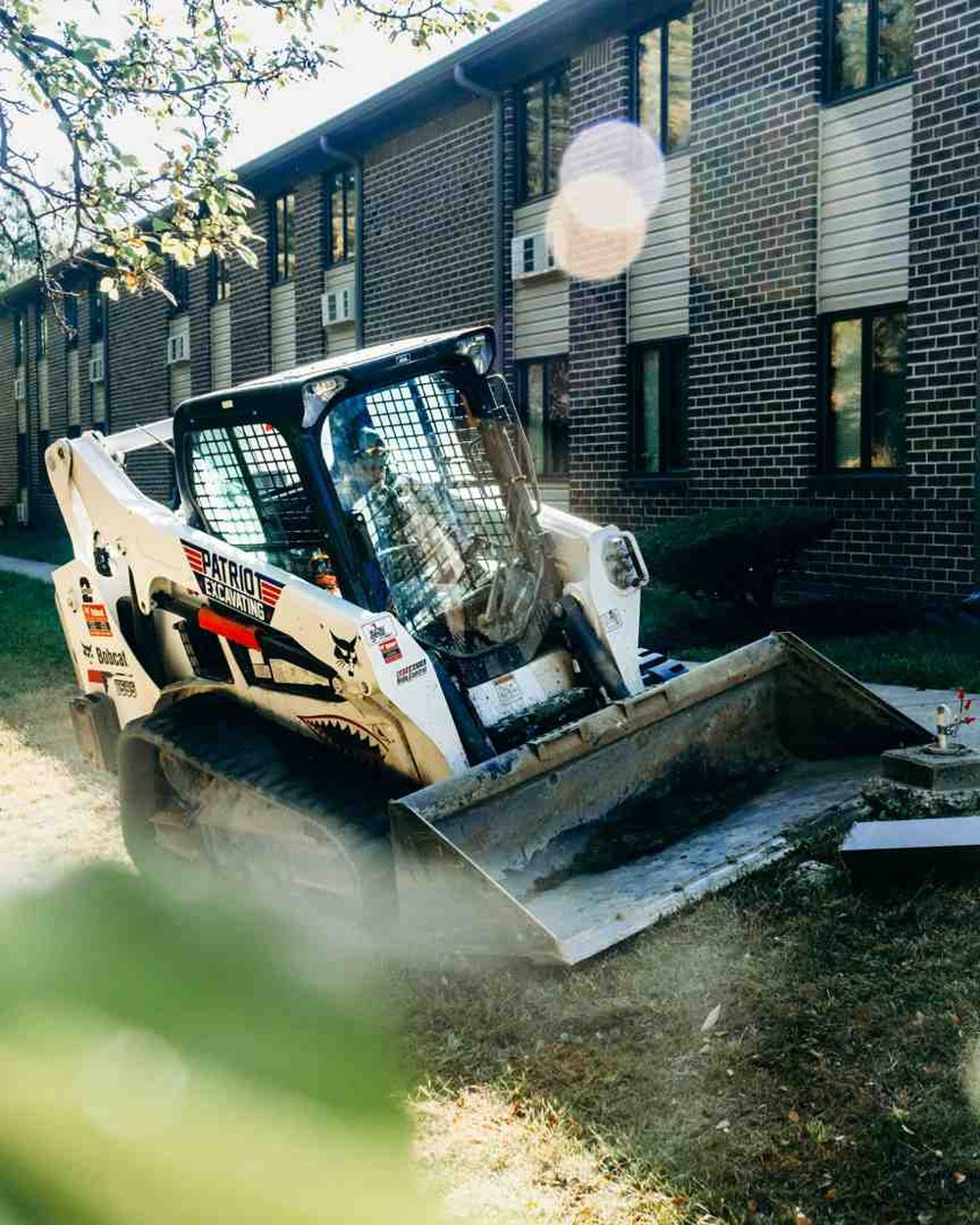
Environmental compliance is another critical component, particularly concerning stormwater management. Erosion control and stormwater management are not merely regulatory hurdles; they are essential practices for protecting both the construction site and adjacent ecosystems. Measures such as French drains, swales, retention ponds, and sediment basins are strategically implemented to manage heavy rainfall, prevent sediment runoff, and maintain water quality. The Stormwater Pollution Prevention Plan (SWPPP) is a mandatory framework for most construction projects, outlining the installation, inspection, and maintenance procedures for these controls. For instance, in New York State, SWPPP regulations are mandatory for most construction projects. Integrating these environmental controls from the earliest phases of site development mitigates risks, ensures compliance, and contributes to sustainable construction practices.
Field Leadership and Operational Project Governance
The successful execution of construction site development hinges not only on technical expertise but also on exemplary field leadership and robust operational governance. These elements are crucial for coordinating complex activities, managing diverse stakeholders, and ensuring projects stay on track, on budget, and most importantly, safe. Large-scale projects, such as nuclear facility construction, exemplify the need for multi-agency governance, where coordination with regulatory bodies like the Development Consent Order (DCO), Deed of Obligation (DoO), and local councils is paramount.
Effective leadership ensures that all project phases, from initial earthworks to final landscaping, are seamlessly integrated. This involves meticulous timeline management, strategic equipment optimization, and unwavering adherence to safety protocols. For example, the Sizewell C nuclear project requires a phased approach, with extensive planning for material import and on-site logistics, all overseen by a comprehensive governance structure. Without strong leadership, the intricate dance of heavy machinery, material deliveries, and specialized crews can quickly descend into chaos, leading to delays and cost overruns.
Supervisory Leadership in Construction Site Development
At the heart of operational excellence in site development is strong supervisory leadership. Field supervisors are the linchpin, responsible for translating project plans into on-the-ground execution. Their role encompasses everything from directing daily tasks and managing equipment to ensuring cross-trade communication and maintaining a safe working environment. They are the eyes and ears of the project, identifying potential issues before they escalate and fostering a culture of accountability.
Effective supervisors conduct daily safety audits, implement hazard management strategies, and ensure all personnel are adhering to established protocols. They also play a crucial role in problem-solving, adapting to unforeseen challenges like sudden weather changes or unexpected ground conditions. The ability to lead diverse teams, communicate clearly, and make informed decisions under pressure is invaluable. Recognizing the importance of these skills, many organizations invest in specialized training for construction leaders to enhance their capabilities in project management, team motivation, and safety compliance. Such initiatives provide construction professional leadership training that is vital for developing the next generation of project managers and site superintendents.
Logistics Phasing and Materials Management
The sheer volume of materials and equipment involved in construction site development necessitates sophisticated logistics phasing and materials management. This is particularly true for large-scale projects where millions of tonnes of material might need to be imported and managed. For instance, the Sizewell C nuclear project anticipates importing 12.1 million tonnes of material, utilizing a combination of rail and a temporary Marine Bulk Import Facility capable of handling approximately 1.275 million tonnes per year. Each train can carry up to 1,250 tonnes, highlighting the scale of coordination required.
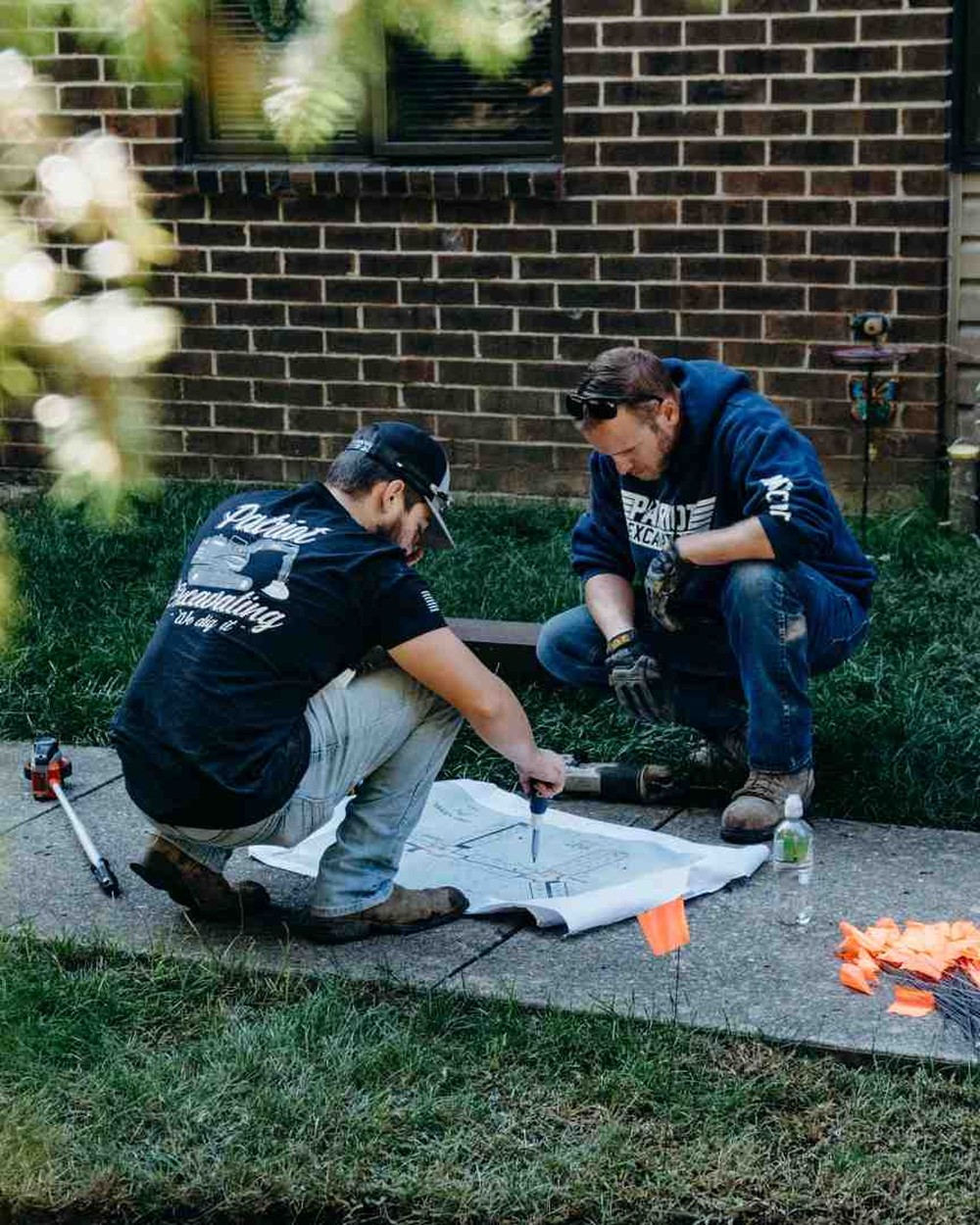
Strategic site access planning, efficient material stockpiling, and precise scheduling are critical to maintaining schedule integrity and avoiding bottlenecks. This involves coordinating deliveries to minimize traffic impact, organizing on-site storage to ensure materials are readily accessible but don’t impede work, and managing waste streams effectively. The phased approach to logistics allows for a systematic progression of work, ensuring that resources are available exactly when and where they are needed, optimizing efficiency and reducing overall project timelines.
Regional Planning Implications and Urban Growth Policies
The strategic interactions among local governments in land-use decisions have profound welfare and efficiency consequences that extend far beyond individual municipal borders. Expansionary zoning competition, while potentially boosting local tax bases, can lead to increased urban sprawl, reduced housing affordability, and significant challenges to interjurisdictional equity. When municipalities continually expand their developable footprint to attract tax revenue, it often results in inefficient land use, longer commutes, and increased infrastructure costs spread across a wider area. This can exacerbate housing affordability crises by creating fragmented markets and increasing the cost of providing services to sprawling communities.
These findings underscore the critical need for robust regional planning frameworks and state-level policies aimed at coordinating land-use decisions across fragmented local governments. Without such coordination, the competitive dynamics can lead to suboptimal outcomes for the entire region. Policy coordination could mitigate inefficient land-use outcomes caused by competitive zoning, fostering more sustainable and equitable urban growth. For planners and developers, understanding these strategic dynamics is crucial for smarter site selection and negotiation with local authorities. This includes conducting a regional land-use impact analysis before submitting development proposals and engaging neighboring jurisdictions early to understand potential competitive responses. Aligning development timelines with anticipated changes in local tax-base dynamics can lead to more successful and sustainable projects, promoting land-use efficiency and addressing issues of housing affordability and interjurisdictional equity.
Frequently Asked Questions About Construction Site Development
What are the critical initial phases of construction site development?
The critical initial phases of construction site development involve several key steps that lay the groundwork for the entire project. These typically include comprehensive site clearing, which removes vegetation and debris; detailed boundary surveying to accurately define property lines; thorough geotechnical testing to understand soil composition and bearing capacity; and the immediate setup of erosion control measures to protect the site and surrounding environment from sediment runoff. These foundational steps ensure the site is safe, stable, and ready for subsequent earthwork and construction activities.
How does interjurisdictional competition influence local zoning decisions?
Interjurisdictional competition significantly influences local zoning decisions by creating a dynamic where municipalities strategically adjust their land-use policies to attract a mobile tax base of residents and businesses. This often manifests as Cournot-style behavior, where one town’s decision to relax density limits or streamline development permits prompts neighboring areas to consider similar adjustments to remain competitive. This competitive drive can lead to accelerated rural-to-urban land conversion, as local governments seek to expand their tax revenue and fund public services, ultimately reshaping regional land-use patterns and urban growth.
Why is soil stabilization critical during early earthwork operations?
Soil stabilization is critical during early earthwork operations because it directly impacts the long-term integrity and safety of a construction project. Proper stabilization enhances the soil’s bearing capacity, preventing issues like differential settlement that can lead to structural damage. It also helps manage moisture content, reducing the risk of expansive or liquefying soils. By improving the subgrade’s strength and durability, soil stabilization creates a robust foundation for all subsequent construction, ensuring the stability of structures and infrastructure built upon it.
Conclusion
Construction site development is a multifaceted discipline that demands a holistic approach, integrating engineering precision, strategic regulatory understanding, and strong leadership. We’ve explored how local government competition for mobile tax bases, driven by fiscal incentives, profoundly shapes land availability and urban expansion, often leading to strategic zoning decisions and rural-to-urban conversion. Simultaneously, the technical challenges of ground preparation—from mass excavation and laser grading to soil stabilization and robust environmental controls—underscore the need for meticulous engineering.
Successful site development hinges on effective project leadership. From field supervision and cross-trade communication to sophisticated logistics and materials management, strong leadership ensures that complex projects remain on schedule, within budget, and, most importantly, safe. By understanding the interplay of regulatory strategy, technical requirements, and the critical role of project leadership, we can foster more efficient, sustainable, and resilient urban development. This integrated approach is key to achieving true site readiness and contributing positively to our built environment.