
Fundamentals of Personal Injury Claims and Insurance Conduct
Navigating the aftermath of a personal injury can be an incredibly challenging journey. We pay insurance premiums with the expectation that our coverage will provide a vital safety net when we need it most. However, when an insurance company fails to uphold its end of the bargain—delaying payments, denying valid claims, or making unreasonably low offers—it can turn a difficult situation into a devastating one.
This is where the concept of “bad faith” insurance practices comes into play. In August 2026, policyholders continue to face significant hurdles when insurers prioritize profits over their contractual obligations. Understanding your rights and recognizing the signs of bad faith are crucial steps toward securing the compensation you deserve.
This extensive guide aims to demystify the complexities of insurance claims and bad faith practices. We will explore what constitutes bad faith, how to identify it, the legal avenues available to policyholders, and the types of damages you might recover. By understanding these critical aspects, you can better protect your interests and confidently pursue justice, often with the guidance of an experienced personal injury law firm.
At the core of every insurance policy lies an implied “duty of good faith and fair dealing.” This fundamental principle dictates that insurance companies must act honestly and fairly toward their policyholders, prioritizing their interests alongside their own. When we purchase an insurance policy, we enter into a contract, and this contract carries with it a significant expectation: that the insurer will honor its commitments, especially when a personal injury claim arises. This duty is not merely a courtesy; it is a legally binding obligation enforced by specific laws and regulations designed to protect policyholders from unscrupulous practices.
The contractual obligations of an insurance company extend beyond simply paying claims. They include a responsibility to thoroughly investigate claims, communicate clearly and promptly, and make reasonable settlement offers. When an insurer deviates from these obligations, particularly in a personal injury context, it can lead to significant financial hardship and emotional distress for the injured party. Understanding these foundational duties is the first step in recognizing when an insurer might be overstepping its bounds.
Types of Policy Coverage in Personal Injury Claims
Personal injury claims can involve various types of insurance coverage, each designed to address specific aspects of a loss. For instance, if you are injured in a car accident, your claim might involve the at-fault driver’s liability coverage, which pays for your medical expenses, lost wages, and pain and suffering. Your own policy might also include medical payments (MedPay) coverage, offering immediate funds for medical treatment regardless of fault, or uninsured/underinsured motorist (UM/UIM) coverage, which protects you if the at-fault driver has insufficient or no insurance.
Beyond auto accidents, personal injury can stem from incidents on someone else’s property, bringing homeowner’s or commercial liability insurance into play. These policies cover injuries sustained due to negligence on the property owner’s part. In cases involving defective products, product liability insurance may be relevant. Each type of coverage has its own terms and limits, and understanding how they apply to your specific situation is crucial. Insurance companies are obligated to assess these coverages fairly, whether it’s a first-party claim (against your own policy) or a third-party claim (against another party’s policy).
Key Steps in Investigating Personal Injury Claims
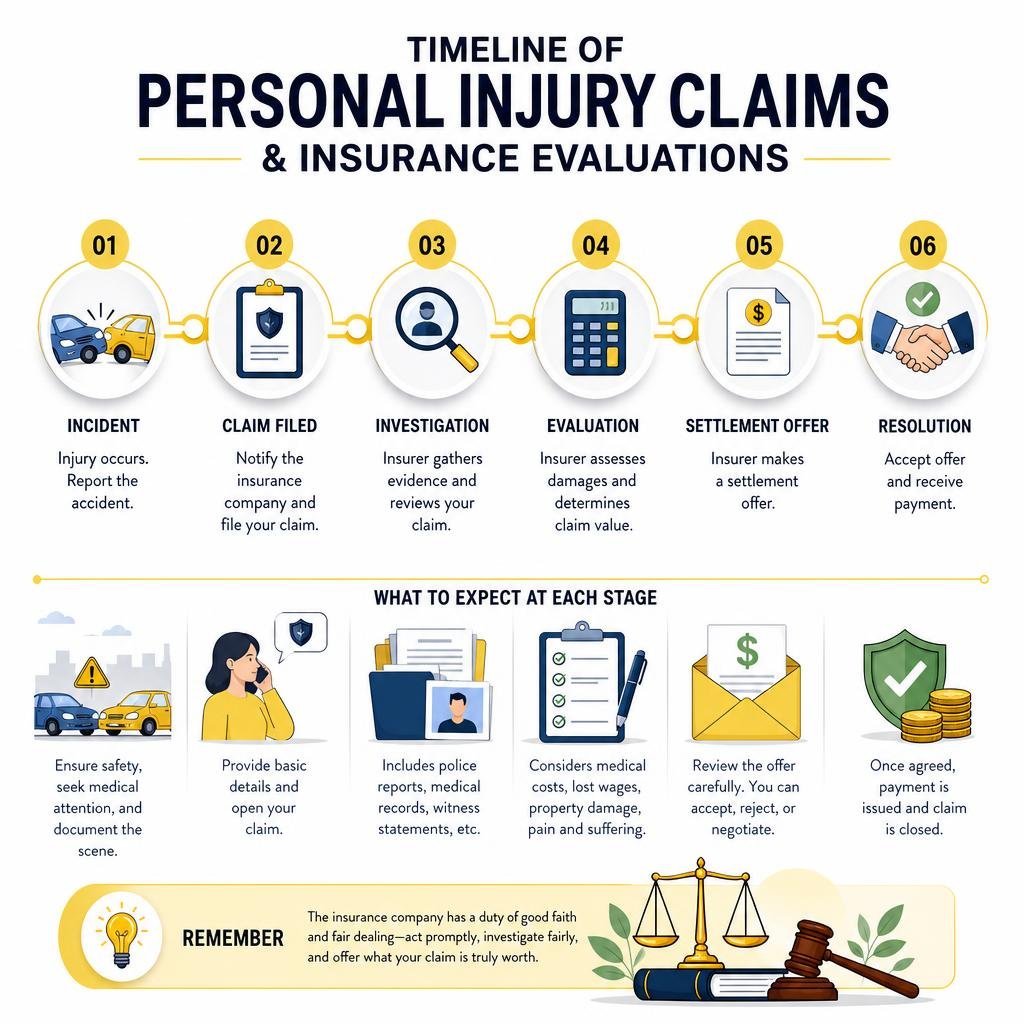
The process an insurance company follows when investigating a personal injury claim is critical, and it’s also where bad faith practices often emerge. Typically, the investigation begins with a claim assessment, where the insurer gathers initial information about the incident and injuries. This is followed by evidence collection, which can involve obtaining police reports, medical records, witness statements, and accident reconstruction reports. The insurer then proceeds to a fair valuation of the claim, theoretically considering all damages, including medical costs, lost income, property damage, and non-economic losses like pain and suffering. Finally, the expectation is prompt processing and resolution of the claim.
However, bad faith can arise at any of these stages. An insurer might drag out the investigation, making excessive requests for documentation or repeatedly assigning new adjusters to delay progress. They might undervalue the claim by ignoring medical advice or offering a settlement far below the actual costs. They could also deny a claim outright based on incomplete information or a skewed interpretation of policy language. Recognizing these deviations from standard, good-faith investigative practices is essential for policyholders.
Identifying Bad Faith Tactics in Insurance Disputes
When an insurance company acts in “bad faith,” it means they are violating their legal and contractual duty to treat policyholders fairly. This isn’t just about making a mistake; it often involves intentional or reckless disregard for the policyholder’s rights. One of the most common signs is unreasonable delay in processing or paying a claim. This could manifest as slow responses to inquiries, prolonged investigations without clear justification, or repeatedly requesting the same documents. Another prevalent tactic is making lowball offers—settlement proposals that are significantly less than the claim’s actual value, often made early in the process hoping the policyholder will accept out of desperation.
Wrongful claim denial is a clear indicator of bad faith. This occurs when an insurer denies a valid claim without a reasonable basis, perhaps by misinterpreting policy language, ignoring evidence, or even fabricating reasons for denial. Insurers might also engage in policy interpretation that unfairly favors their financial interests, twisting clauses or exclusions to avoid payment. These tactics are designed to minimize payouts and maximize profits, often at the expense of the policyholder’s well-being.

Common Signs an Insurer Is Devaluing Your Claim
Beyond outright denial, insurers employ subtle strategies to devalue claims. Dilatory tactics are a prime example, where an insurer intentionally prolongs the process. This might involve assigning multiple adjusters to a single case, each requiring a fresh start, or making excessive requests for documentation that is either irrelevant or already provided. We have seen instances where insurers insist on property demolition following a covered event, only to later refuse payment for the repairs, leaving policyholders in an impossible situation.
Another red flag is the use of misleading language or ambiguous policy interpretations to justify a lower offer or denial. Insurers might quote sections of your policy out of context or imply that certain damages are not covered when, in fact, they are. A significant sign of bad faith is a lack of clear explanation for a denial or underpayment. If an insurer cannot provide a specific, reasonable, and documented basis for their decision, it suggests they may be acting in bad faith. They might also fail to conduct a thorough investigation, ignoring crucial evidence that supports your claim. These actions are not merely inefficient; they are often calculated attempts to reduce the insurer’s financial obligation.
Breach of Contract vs. Bad Faith Intent
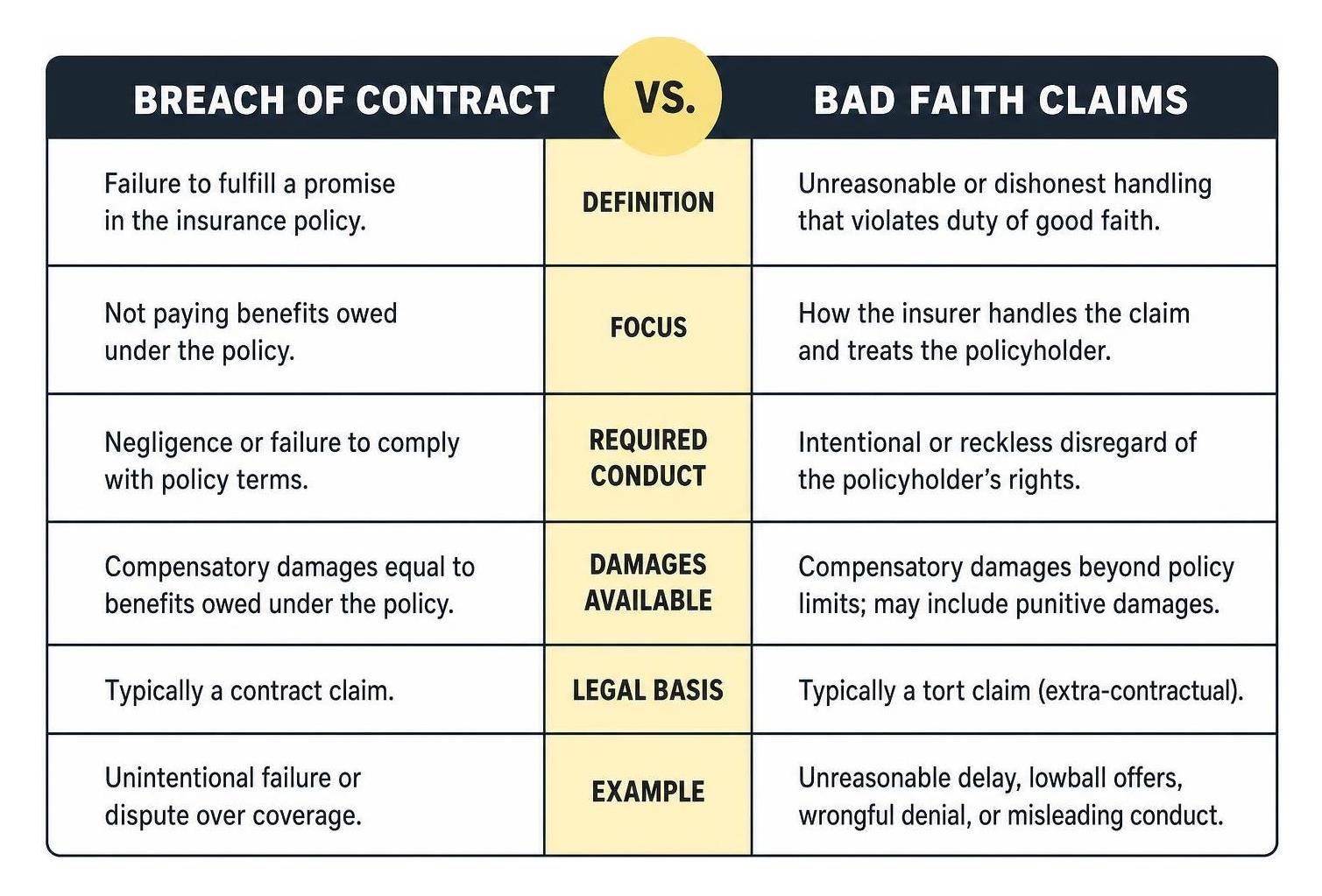
It is crucial to understand the distinction between a simple breach of contract and an act of bad faith. A breach of contract occurs when an insurance company fails to uphold a specific term or condition of the policy, such as failing to pay a covered claim. While this is a serious issue, it typically results in damages limited to what was owed under the policy. For example, if your policy covers $10,000 in repairs and the insurer only pays $8,000, that’s a breach of contract.
Bad faith, however, goes a step further. It implies an insurer’s intentional or reckless disregard of their duty of good faith and fair dealing. This isn’t just about not paying what’s owed; it’s about how they handle the claim. If the insurer’s refusal to pay that $10,000 was based on an unreasonable, fabricated, or poorly investigated reason, or if they deliberately delayed payment to pressure you into a lower settlement, that crosses into the realm of bad faith. Bad faith claims often fall under tort liability, meaning they can lead to damages beyond the policy limits, including punitive damages designed to punish the insurer for their egregious conduct. The key difference lies in the insurer’s state of mind and the reasonableness of their actions.
Legal Remedies and Recoverable Damages
When an insurance company acts in bad faith, policyholders are not without recourse. The legal system provides several avenues to hold insurers accountable and recover what is rightfully owed. These legal options can range from formal appeals and mediation to filing a lawsuit. The choice of strategy often depends on the specific circumstances of the bad faith practice, the jurisdiction, and the potential for consequential damages that extend beyond the initial policy limits.
Working with legal professionals who specialize in these complex cases is often essential. They can help navigate the intricate legal landscape, challenge the insurer’s tactics, and build a strong case for recovery. For instance, a dedicated legal team can help policyholders understand their rights and pursue justice when their insurer has violated the duty of good faith. When facing an insurer that has denied or delayed a valid claim, consulting with a knowledgeable legal advocate can make all the difference in securing appropriate compensation. An experienced legal team can guide you through the process, ensuring your rights are protected and that the insurer is held accountable for their actions.

Compensatory and Punitive Damages
In a successful bad faith insurance lawsuit, policyholders can typically recover several types of damages. Compensatory damages are designed to make the policyholder whole again. These include:
- Economic losses:Direct financial costs such as unpaid policy benefits, medical expenses, lost wages, property damage, and any other financial losses directly caused by the insurer’s bad faith.
- Emotional distress:Compensation for the mental anguish, stress, anxiety, and other non-economic suffering resulting from the insurer’s actions. The financial strain and uncertainty caused by a wrongful denial can have a profound psychological impact.
Beyond compensatory damages, punitive damages may also be awarded in cases where the insurer’s conduct was particularly egregious, malicious, or reckless. Punitive damages are not intended to compensate the policyholder but rather to punish the insurance company for its wrongful actions and to deter similar conduct in the future. Additionally, some jurisdictions allow for the recovery of attorney’s fees and court costs, often referred to as statutory penalties, which further incentivizes insurers to act in good faith. These additional damages underscore the seriousness with which the legal system views bad faith practices.
Steps to Take When Facing Wrongful Denials or Low Offers
If you believe your insurance claim has been wrongfully denied or underpaid, taking immediate and strategic action is crucial.
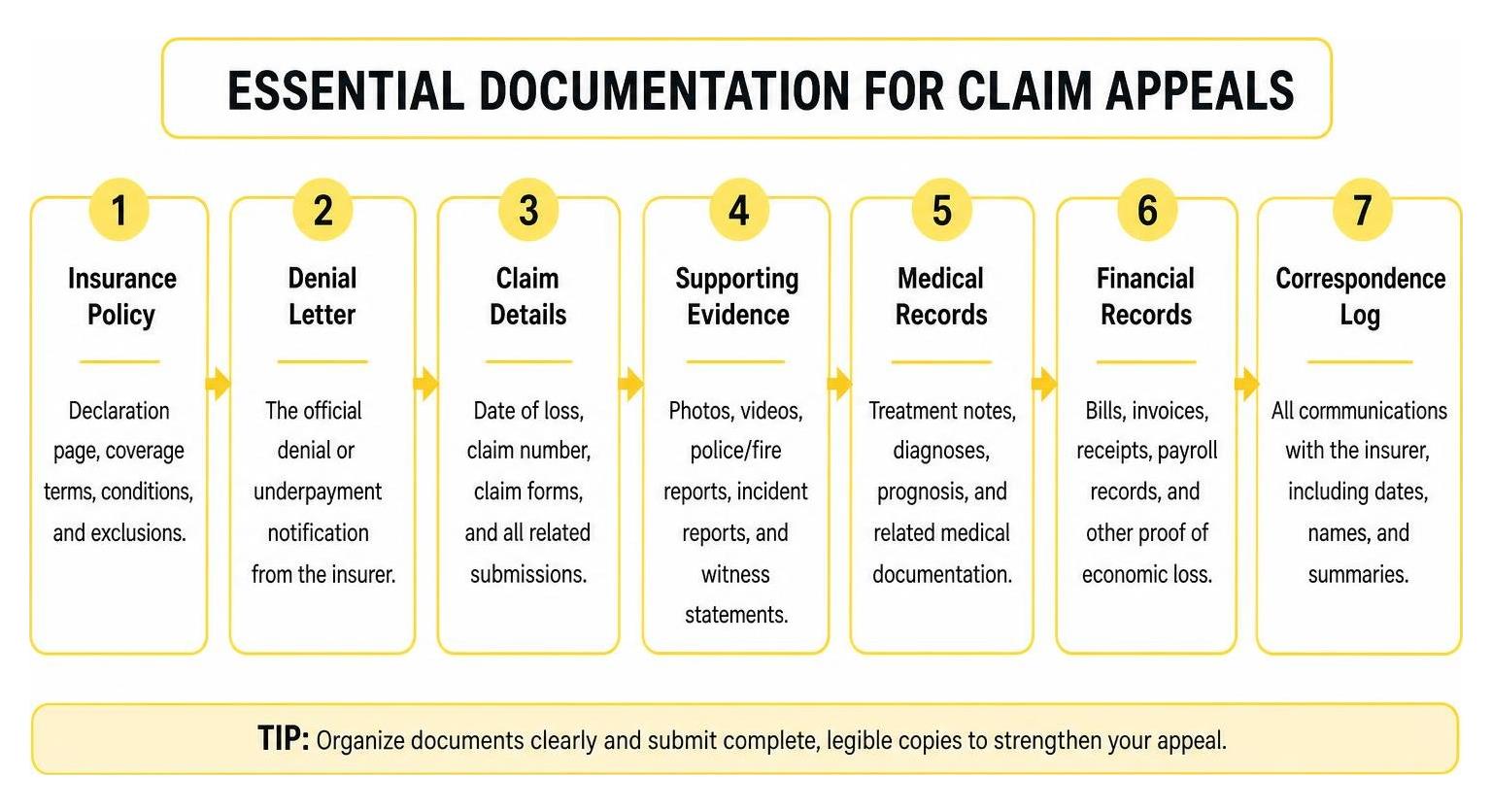
- Document Everything:Maintain meticulous records of all communications with the insurance company, including dates, times, names of representatives, and summaries of conversations. Keep copies of all correspondence, policy documents, medical records, bills, and any other evidence related to your claim. This document retention is your strongest asset.
- Communicate in Writing:Always follow up phone conversations with written communications (emails or certified letters) summarizing what was discussed and agreed upon. This creates a clear paper trail that can be invaluable if a dispute escalates.
- Understand the Appeals Process:Most insurance policies and state regulations outline a formal internal appeals process. Exhausting these internal options is often a prerequisite before pursuing legal action. Ensure your appeal is comprehensive and addresses all reasons for the denial with supporting evidence.
- Seek Legal Consultation:Do not hesitate to contact a lawyer specializing in bad faith insurance claims. An attorney can review your policy, assess the insurer’s conduct, and advise you on the best course of action. They can also handle communications with the insurer, ensuring your rights are protected and that you are not pressured into an unfair settlement. Early legal intervention can significantly impact the outcome of your claim.
Frequently Asked Questions About Personal Injury Claims
What is the difference between a simple claim denial and bad faith?
A simple claim denial occurs when an insurance company rejects a claim based on a legitimate, reasonable interpretation of the policy terms or a lack of sufficient evidence. For instance, if your policy clearly excludes coverage for a specific type of damage, and your claim falls under that exclusion, the denial is likely not bad faith. This is often referred to as a “genuine dispute” over coverage.
Bad faith, on the other hand, involves an insurer’s unreasonable or malicious actions in handling a claim. It’s not just that they denied the claim, but why and how they did it. If the insurer denies a valid claim without a reasonable basis, ignores crucial evidence, intentionally delays payment, misrepresents policy language, or fails to conduct a proper investigation, that constitutes bad faith. The key differentiator is the insurer’s intent or reckless disregard for their duty to act fairly and honestly.
What damages can be recovered beyond policy limits?
In a standard breach of contract claim, damages are typically limited to the benefits owed under the insurance policy. However, in a successful bad faith lawsuit, policyholders can often recover damages that exceed the original policy limits. These can include:
- Consequential losses:Any additional financial harm suffered as a direct result of the insurer’s bad faith, such as lost income due to delayed medical treatment, interest on unpaid benefits, or even the costs of having to borrow money because of the insurer’s refusal to pay.
- Attorney fees and court costs:In many jurisdictions, if an insurer is found to have acted in bad faith, they can be compelled to pay the policyholder’s legal expenses.
- Emotional suffering:Compensation for the mental and emotional distress, anxiety, and inconvenience caused by the insurer’s wrongful actions.
- Punitive damages:As mentioned earlier, these are awarded to punish the insurer for particularly egregious conduct and to deter future bad faith practices, often significantly exceeding the policy limits.
These expanded damages serve as a powerful incentive for insurers to uphold their duty of good faith.
When should you contact a lawyer for an underpaid claim?
It is advisable to contact a lawyer specializing in bad faith insurance as soon as you suspect your insurer is not acting in good faith. Specific triggers include:
- Unreasonable lowballing:If the insurer makes an offer that is significantly below the true value of your damages, especially without a clear, justifiable explanation.
- Stalled investigations:If the insurance company is taking an excessively long time to investigate your claim, repeatedly requesting the same information, or assigning multiple adjusters without making progress.
- Refused payments:If the insurer outright refuses to pay a legitimate claim without providing a valid, policy-based reason, or if their explanation seems to contradict the facts or policy language.
- Lack of communication:If the insurer becomes unresponsive, avoids answering direct questions, or fails to provide clear reasons for their decisions.
- Pressure tactics:If you feel pressured to accept a low offer, sign away rights, or feel that the insurer is trying to take advantage of your vulnerable situation.
An attorney can help you understand if your insurer’s actions cross the line into bad faith and guide you through the complex process of challenging their decision.
Conclusion
Navigating the complexities of personal injury claims and dealing with insurance companies can be daunting. We pay premiums with the understanding that our insurers will be there when we need them most, upholding their fundamental duty of good faith and fair dealing. However, when these obligations are breached through unreasonable delays, wrongful denials, or lowball offers, policyholders must be prepared to protect their rights.
Recognizing the signs of bad faith—whether it’s a lack of thorough investigation, misleading policy interpretations, or dilatory tactics—is the first crucial step. By maintaining meticulous documentation, communicating in writing, and understanding the distinction between a simple breach of contract and a more severe act of bad faith, you empower yourself in what can often feel like an unequal battle.
Securing justice and fair compensation often requires thorough documentation and timely legal advocacy. We encourage anyone facing a potential bad faith situation to consult with experienced legal professionals. They can help ensure insurer accountability, safeguard your interests, and guide you through the process of recovering the damages you rightfully deserve.