Your home’s plumbing, heating, cooling, and water systems work quietly in the background until a small issue becomes a disruptive repair. A damp cabinet, a clogged air filter, a slow drain, or a noisy water heater can be easy to overlook. Still, routine attention helps protect comfort, efficiency, and safety. Homeowners can use O’Leary’s 60 years experience as a practical reference for focusing on warning signs before they turn into emergencies. The goal is not to become an expert in every system. It is to spend a few minutes each month noticing changes, keeping basic components clean, and knowing when it is time to call a qualified professional. Consistent care can reduce water waste, improve indoor comfort, and reduce the likelihood of unexpected breakdowns.
Why Home System Maintenance Matters
Minor maintenance issues often grow because they remain hidden. A small plumbing leak can damage cabinetry or flooring. A dirty HVAC filter can restrict airflow, forcing the system to work harder. Poor drainage can create odors, backups, and water damage. Regular inspections help you spot these problems while the solution is still relatively straightforward. The EPA’s WaterSense home maintenance guidance recommends regular attention to leaks, fixtures, water pressure, and hot water equipment. Instead of trying to handle every task at once, assign a few checks to each month and use the seasons as reminders for larger projects.
Monthly Checks That Take Less Than An Hour
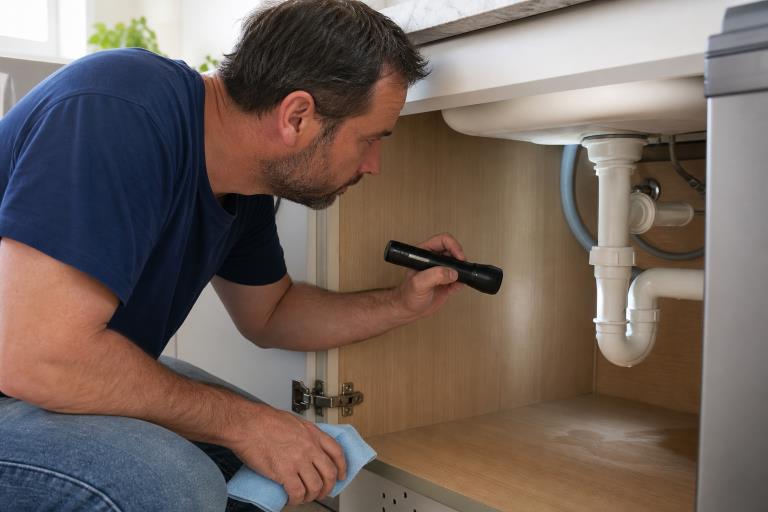
A flashlight, a clean rag, and a few minutes of observation are enough for a useful monthly walk-through. Start in the kitchen, bathrooms, laundry area, utility room, and around your HVAC equipment.
- Look under sinks for moisture, swollen cabinet materials, discoloration, or musty smells.
- Inspect visible supply lines, appliance hoses, and shutoff valves for corrosion or drips.
- Check the HVAC filter. Replace or clean it when it looks dirty or according to the manufacturer’s schedule.
- Test smoke alarms and carbon monoxide detectors, then replace batteries as needed.
- Listen for dripping faucets, running toilets, rattling vents, or unusual equipment sounds.
Plumbing Checks For Leaks And Water Waste
Most plumbing inspections do not require taking anything apart. Check faucet bases, showerheads, toilet supply connections, washing machine hoses, and outdoor hose connections. White mineral buildup, green corrosion, rust, or recurring dampness can all indicate a slow leak.
- Run faucets briefly and look for drips at handles, spouts, and pipe connections.
- Test toilets for silent leaks by placing a few drops of food coloring in the tank. If color reaches the bowl without flushing, the toilet likely needs attention.
- Inspect exposed pipes in basements, crawl spaces, garages, and utility rooms.
- Locate the main water shutoff valve and make sure responsible household members know how to use it.
- Pay attention to low water pressure, slow drains, sewer odors, or water that has changed color.
Water Heater Care And Warning Signs
Water heaters need space, ventilation where applicable, and periodic inspection. Check the floor and connections around the unit for rust, moisture, corrosion, or pooling water. Sediment may accumulate in tank-style heaters over time, reducing efficiency and causing popping or rumbling sounds. Inconsistent hot-water temperatures, unusually long recovery times, rusty hot water, or visible leakage deserve prompt attention. Follow the manufacturer’s instructions before performing maintenance. Flushing a tank, testing safety valves, and any gas, electrical, or major repair work are often better handled by a trained technician.
Heating And Cooling Maintenance
Homeowner Tasks
- Replace or clean filters based on the system type, pets, dust levels, and household needs.
- Keep supply registers and return grilles clear of furniture, rugs, and stored items.
- Remove leaves, grass clippings, and debris from around outdoor equipment.
- Watch for uneven temperatures, weak airflow, excess indoor humidity, or new noises.
Professional Tasks
- Arrange seasonal inspections before peak heating or cooling weather.
- Have electrical connections, drainage, combustion components, and refrigerant-related components checked when appropriate.
- Ask about ductwork, airflow, and thermostat performance if rooms are consistently uncomfortable.
Water Quality Checks For Homeowners
Taste, odor, cloudiness, staining, and scale are useful observations, but they do not, by themselves, identify the cause. Hard water can leave mineral scale on faucets, shower doors, dishes, and appliances. Iron may leave reddish stains, while sediment may make water appear cloudy. Keep notes about when changes occur and replace filters on schedule. Private well owners should test water based on local health guidance and after flooding, nearby construction, damage to the well system, or a noticeable change in taste, smell, or appearance. The CDC’s guidelines for testing well water recommend annual testing and the use of a state-certified laboratory. Choose treatment equipment based on test results, not guesswork.
A Seasonal Home Maintenance Plan
Spring
- Prepare cooling equipment and change filters.
- Inspect outdoor faucets, hoses, and exposed plumbing for winter damage.
- Test sump pumps and look for basement moisture.
Summer
- Monitor air conditioner performance during hot weather.
- Check condensate drainage and indoor humidity.
- Inspect irrigation connections and avoid wasteful overspray.
Fall
- Schedule heating maintenance before cold weather arrives.
- Protect outdoor plumbing and disconnect hoses before freezing temperatures.
- Inspect water heater connections and replace worn appliance hoses.
Winter
- Keep indoor temperatures steady during freezing weather.
- Open cabinet doors below sinks on exceptionally cold nights when appropriate.
- Know how to shut off the water quickly if a pipe bursts.
What Can Be Done At Home?
Routine observation and simple cleaning are often suitable for homeowners. Changing filters, checking visible leaks, cleaning faucet aerators, testing alarms, and clearing debris from outdoor HVAC equipment are generally manageable tasks.
Leave gas appliance repairs, refrigerant work, electrical panel work, main sewer repairs, and major water heater repairs to qualified professionals. When a task involves fuel, combustion, high voltage, pressurized systems, or hidden plumbing damage, professional assessment is the safer choice.
Signs That Need Prompt Attention
- A sudden and unexplained drop in water pressure.
- Water pooling around a water heater, furnace, appliance, or plumbing connection.
- A gas smell or a carbon monoxide alarm.
- No heat during freezing conditions.
- Repeated drain backups or sewer odors indoors.
- Warm air from an air conditioner or very weak airflow from vents.
- Discolored water that does not clear after a reasonable period.
A Simple Way To Stay On Track
Create a one-page checklist, set monthly calendar reminders, and keep a folder for service records, water test results, filter sizes, and warranty information. This makes it easier to notice patterns and communicate clearly when professional service is needed. Home maintenance does not need to be complicated. A few focused minutes each month can reveal leaks, airflow problems, water-quality concerns, and safety issues before they become major disruptions.
Preventive Maintenance Habits That Protect Your Budget
Preventive maintenance also helps homeowners plan for future expenses rather than reacting to failures at inconvenient times. Keep a simple record of installation dates, repair visits, filter changes, and noticeable performance changes. This history can reveal whether a fixture, appliance, or comfort system is becoming less reliable. It also provides technicians with useful context, which may shorten diagnosis time and help them recommend repairs that align with the equipment’s age and condition.
Protecting Fixtures And Appliances
Appliance hoses deserve special attention because a failure can quickly release a large amount of water. Look for cracking, bulging, rusted fittings, or stiffness in washing machine hoses and refrigerator water lines. Avoid pushing appliances tightly against connections, and make sure shutoff valves remain accessible. If a hose looks worn, replace it before it fails. When leaving home for an extended trip, consider shutting off the water supply to appliances or the main valve, if appropriate for the property.
Moisture, Ventilation, And Drainage
Moisture control connects several home systems. Use bathroom and kitchen exhaust fans during activities that create steam, and let them run long enough to remove lingering humidity. Check around windows, ceilings, and exterior walls for peeling paint, stains, or soft spots. These conditions may point to plumbing leaks, roof issues, poor ventilation, or condensation. Outdoors, keep gutters, downspouts, and grading directed away from the foundation. Water that collects near the house can contribute to damp basements, foundation concerns, and avoidable strain on sump equipment.
Use Records To Make Better Home Decisions
Service records are particularly valuable when equipment is under warranty or when a home is being prepared for sale. Save invoices, model numbers, photographs of labels, and notes about recurring symptoms. Before authorizing a major repair, ask what caused the issue, what maintenance could reduce recurrence, and whether repair or replacement makes better long-term sense. Understanding those answers can help you prioritize work without delaying genuine safety concerns.
Finally, give every household member an emergency orientation. Show them where the main water shutoff, electrical panel, gas shutoff, fire extinguishers, and alarm test buttons are located. Post emergency contact information in an easy-to-find place. Clear access to mechanical areas, label important valves when needed, and avoid storing flammable or combustible materials near heating equipment. Preparation supports faster, calmer decisions when a problem cannot wait and requires immediate professional attention at home.
Conclusion
Regular home maintenance is one of the simplest ways to protect your plumbing, heating, cooling, and water systems from unnecessary repairs. By performing routine inspections, addressing small issues early, and scheduling professional service when needed, homeowners can improve efficiency, extend equipment life, and reduce the risk of unexpected breakdowns. A consistent maintenance routine not only helps keep your home comfortable year-round but also makes it easier to identify problems before they become costly. With a practical checklist and timely attention to warning signs, maintaining a safe, reliable, and efficient home becomes much more manageable.