Key Takeaways
- Each season brings unique maintenance challenges that require timely attention from homeowners.
- Consistent upkeep can prevent small concerns from escalating into costly repairs.
- Routine inspections extend your home’s lifespan and contribute to overall safety and comfort.
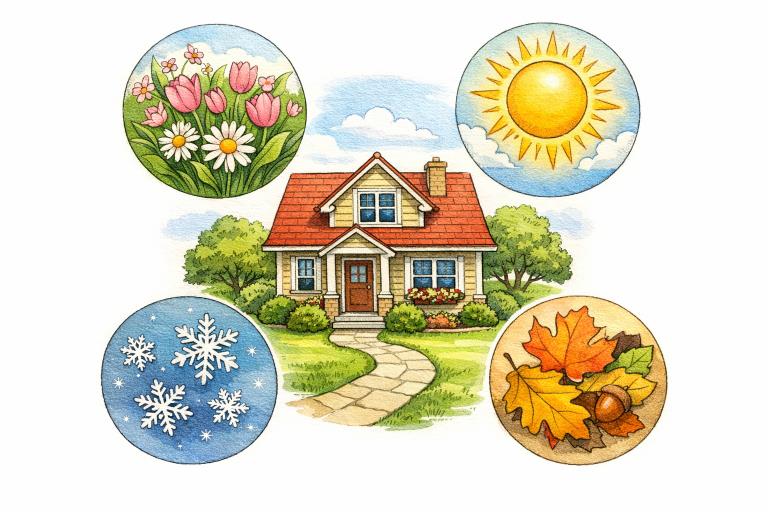
Being a homeowner means staying vigilant about the constant changes your home endures throughout the year. As seasons transition, your home faces a variety of environmental factors that, if left unchecked, can result in costly and inconvenient damage. Knowing how to address the effects of each season is crucial for safeguarding your property and ensuring lasting comfort for your household. Whether you’re a new homeowner or a seasoned pro, understanding these challenges empowers you to act proactively and maintain your property’s value. If you’re looking for expert guidance, consider seeking the Best Home Inspection near Leesburg, VA, to help spot seasonal vulnerabilities before they become major issues.
Home maintenance isn’t just about fixing what breaks. It’s about anticipating potential trouble spots as they align with the natural rhythms of the year. By emphasizing prevention over reaction, you’ll create a safer, more efficient living environment and gain peace of mind that your investment is secure regardless of the weather outside.
Spring: Addressing Moisture and Growth
As the last traces of winter fade, spring’s increased rain and humidity can spell trouble for many homes. One of the first steps you should take is to inspect your roof for loose or damaged shingles and worn flashing, as lingering winter damage can lead to leaks. When unchecked, these leaks can result in internal water damage and the growth of mold within walls and attics. Clearing out clogged gutters and downspouts allows rainwater to flow away from your home’s foundation, reducing the chance of flooding or structural problems. It is also wise to check basements and crawl spaces for damp spots, since spring’s warmth encourages rapid mold and mildew growth when ventilation is poor.
Spring is also prime time for landscape maintenance. Overgrown trees and shrubs may damage siding or roofing, while decaying organic material can provide a habitat for pests. Regularly trimming greenery and removing fallen debris from your yard helps safeguard your home from these issues and keeps your exterior in great shape. Promptly addressing small issues now can prevent them from ballooning into expensive repairs during the rest of the year.
Summer: Combating Heat and Sun Exposure
Summertime brings persistent heat and prolonged sun exposure, putting considerable strain on your home’s exterior. Siding and paint can fade or peel under direct sunlight, making UV-protective coatings a worthwhile investment for many homeowners. Roofs also experience significant thermal expansion and contraction. Without periodic inspections, cracked shingles or roofing materials may go unnoticed, which can then allow for leaks during storms.
Another concern during the hot season is the efficiency of your air conditioning system. Servicing your unit before temperatures peak helps avoid breakdowns, maximizes energy efficiency, and keeps humidity at bay inside your home. Maintaining a consistent indoor climate can also reduce the wear and tear on floors and furniture, particularly wood, which is susceptible to expansion and warping in varying humidity levels.
Fall: Preparing for Colder Weather
Fall is an ideal period to get your home winter-ready. As cooler temperatures arrive, ensuring your heating system is clean and functioning properly should be your top priority. A professional checkup for your furnace or boiler may not only improve efficiency but also reveal hidden issues that could pose health or safety risks. Sealing gaps around doors and windows helps prevent heat loss, reduces drafts, and can lower heating bills significantly.
Leaves and other debris should be cleared from gutters and yards to avoid water backup and ice dams once winter comes. Checking attic and crawlspace insulation now helps maintain steady indoor temperatures and cuts down on energy bills. Simple steps such as these make a significant difference in comfort and cost savings once the freeze sets in. For additional tips on winterizing your home, reputable resources like Consumer Reports offer helpful checklists.
Winter: Protecting Against Freezing Temperatures
Winter brings its own set of challenges, especially with freezing temperatures threatening the integrity of your home’s plumbing. Pipes in unheated spaces, such as basements, attics, and garages, are especially vulnerable to freezing and bursting. To protect your plumbing, insulate exposed pipes and consider installing heat tape in more at-risk areas. Keeping your thermostat set to a steady temperature, even while away, can help prevent indoor temperatures from dropping dangerously low.
Winter is also the season to monitor your roof for excessive snow buildup. Excess weight from accumulated snow can stress structural supports, and melting snow can refreeze into damaging ice dams. Clearing the roof or using specialized tools can help, but take care to do so safely or enlist professional help where appropriate. For further seasonal safety and preparedness tips, the American Red Cross provides comprehensive winter storm guidance.
Year-Round Maintenance Tips
Certain maintenance tasks benefit your home every month of the year. Consistent attention not only extends the life of your property but also helps catch small problems before they escalate. Being proactive with these habits creates a safer and healthier home environment.
- Regular Inspections:Walk around your home each month, both inside and out, to observe for signs of wear, damage, or potential trouble spots.
- HVAC Maintenance:Change air filters every one to three months and schedule yearly professional inspections to ensure optimal performance.
- Landscaping:Keep shrubs and trees tidy, ensuring branches stay clear of walls and roofs to reduce pest and moisture risks.
- Pest Control:Remain vigilant for evidence of infestations and promptly address issues to avoid long-term damage to your property.
Conclusion
The shift from season to season can dramatically affect your home’s structure and systems. By understanding these changes and preparing accordingly, you safeguard your biggest investment and maintain your family’s comfort year-round. Staying proactive through routine inspections and maintenance not only prevents costly repairs but also helps your home retain its value and function for years to come. Take charge of your seasonal maintenance today to benefit from peace of mind and a home that stands strong against the elements.