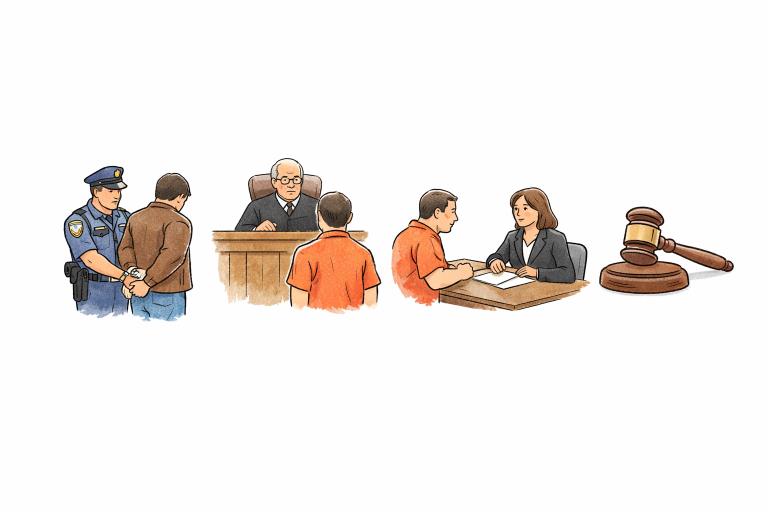
Facing criminal charges in Colorado can be daunting, but understanding the court process can help reduce uncertainty and anxiety. Whether you or someone you care about is confronting charges, knowing what lies ahead can empower you to make better decisions and protect your rights. Having experienced legal representation, such as the team at martinlawfirmpc.com, is essential for navigating the complexities of the criminal justice system.
The process typically comprises several stages, each serving a critical role in protecting both the accused and the interests of justice. This detailed overview explores the major steps you might encounter during the Colorado criminal court process, from arrest to appeals, so you’ll know what to expect at every juncture.
Arrest and Booking
The criminal court process usually begins with an arrest. Law enforcement must have probable cause to believe a crime has been committed before taking you into custody. During the booking stage, your personal and identifying information is recorded, along with fingerprints and photographs. This formalizes the process and ensures that the charges are officially entered into the system. The arrest and booking processes can be highly stressful, especially for individuals without prior experience with law enforcement. At this stage, remaining calm, invoking your right to an attorney, and refraining from volunteering information or statements to police are crucial steps. In some situations, law enforcement may execute a search warrant as part of their investigation during or after your arrest. Understanding your rights regarding searches and seizures is essential to protect yourself from potential violations.
Initial Appearance
Soon after an arrest, you will be brought before a judge for your initial appearance. At this hearing, the judge will inform you of the specific charges against you, outline your legal rights, and determine conditions for bail or bond. It is particularly important to have legal counsel at this point to ensure you understand your options and that your rights are upheld throughout the proceedings. Sometimes, the judge may impose specific conditions of release, such as mandatory check-ins, travel restrictions, or restrictions on contacting certain individuals involved in the case. The defense attorney may argue for lower bail or other conditions that can make it easier for the accused to return to daily life while awaiting further court dates. Failing to comply with these conditions can result in additional charges or the revocation of bail, making legal guidance during this stage especially important.
Arraignment
The arraignment is your first formal court hearing, where the charges are read in open court. Here, you will be asked to enter a plea: guilty, not guilty, or no contest. Your decision at this stage will significantly impact the direction of your case, as a not-guilty plea typically leads to further pretrial proceedings and possibly a trial. Additionally, the court may address bail and scheduling for upcoming hearings during the arraignment. In cases with multiple charges, you or your lawyer might negotiate plea deals or discuss options to consolidate proceedings. The strategy and information discussed with your attorney before arraignment can be critical in determining your legal pathway, underscoring the importance of early preparation.
Pretrial Motions and Conferences
After the arraignment, the case often moves into the pretrial phase. During this time, attorneys may file various pretrial motions, request that the court suppress evidence, dismiss charges, or change trial venues, among other things. Both the prosecution and the defense may engage in plea negotiations. Pretrial conferences are generally held to determine if a resolution can be reached without a trial and to settle logistical matters relating to the trial itself. This phase can be decisive, as how motions are resolved often shapes the entire trajectory of a case. The discovery process, during which both sides exchange evidence, is another crucial aspect of this phase, giving the defense a better understanding of the prosecution’s case. For defendants, proactive involvement in strategy sessions with their legal counsel can greatly improve outcomes at this stage.
Trial
In Colorado, if a plea agreement fails, the case goes to trial, which can be either a jury or bench trial. During the trial, the prosecution must prove the defendant’s guilt beyond a reasonable doubt. This process includes several stages, such as opening statements, witness examinations, and closing arguments. A unanimous verdict from the jurors is required for either conviction or acquittal. Judges also provide legal instructions to the jury, and defendants may choose to testify, a decision to be made in consultation with their legal counsel. The trial process can be emotionally taxing, so ongoing support and preparation are essential for everyone involved.
Sentencing
Sentencing occurs after a guilty verdict, where the judge evaluates crime severity, criminal history, and mitigating factors to determine penalties, which may include fines, probation, community service, rehabilitation, or incarceration. During sentencing hearings, both prosecution and defense can argue for appropriate sentences, and victims may give impact statements. Alternative options such as restorative justice or deferred judgment may also apply, depending on the specifics of the case. This phase is crucial for defendants, as it impacts their immediate and long-term outcomes, and defense attorneys play a key role in pursuing favorable results.
Appeals and Post-Conviction Relief
After sentencing, the convicted party has the right to appeal. An appeal is not a retrial but a legal process in which a higher court reviews the proceedings for errors that may have affected the verdict or sentence. Additionally, post-conviction relief procedures exist for cases involving new evidence or constitutional violations. These processes are complex and typically require thorough legal knowledge to navigate successfully. For a comprehensive look at the appeals process, visit the U.S. Department of Justice’s resource on criminal appeals. Appeals often involve extensive legal briefs, oral arguments before appellate judges, and sometimes lengthy waiting periods for a decision. Post-conviction relief, such as petitions for a new trial based on newly discovered evidence or ineffective assistance of counsel, provides important avenues for additional review. While challenging, these processes can sometimes overturn convictions or reduce sentences in cases where mistakes were made, emphasizing the importance of qualified legal representation in post-conviction matters.
Conclusion
Understanding the Colorado criminal court process, from arrest through appeals, helps defendants prepare for each stage with greater confidence. Every phase plays a vital role in ensuring justice and protecting rights. With knowledgeable legal representation, individuals can navigate complex procedures effectively, make informed decisions, and work toward the best possible outcome in their case.