Water damage can pose significant challenges for homeowners, particularly in regions like Woodinville, WA, where heavy rainfall is common. Understanding how to safeguard your property from water damage and respond swiftly if an incident occurs is a crucial aspect of long-term home maintenance. For those seeking solutions that both prevent future issues and increase home value, services related to Woodinville capital improvements offer important options.
Homes in Woodinville face unique risks due to weather patterns and common local building features. Being aware of these factors can help homeowners minimize losses, maintain a safe environment, and preserve the longevity of their significant investment. The following guide covers actionable steps you can take at every stage, from prevention and immediate response to restoration and insurance claims.
Common Causes of Water Damage
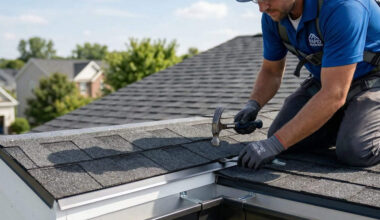
Water intrusion can result from several sources within a typical home. Leaking appliances such as washing machines, dishwashers, and water heaters are frequent culprits. Roof leaks may occur in homes with aging or damaged shingles, often allowing water to seep into attics or behind walls during storms. Plumbing issues, including burst pipes or loose fittings, can quickly cause large volumes of water to flood interior spaces. Additionally, natural disasters such as heavy rainstorms or flooding, a real concern in this region, strain drainage systems and pose a risk of serious indoor water accumulation. Understanding what poses the most risk to your property enables targeted improvements and preventative maintenance that can save time and money in the long run. Homeowners can stay informed about broader trends and expert tips by referring to resources.
Immediate Steps to Take After Water Damage
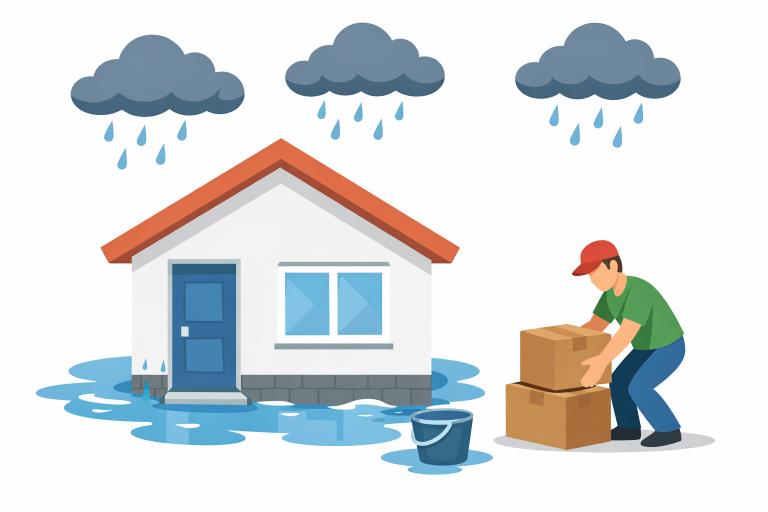
Speedy intervention is essential once any sign of water damage is detected. First, ensure your safety by turning off the power in affected areas and checking for structural hazards. Next, stop the water source, whether that means shutting off supply valves or plugging a leak. Remove any standing water with towels, mops, or a wet/dry vacuum, and move furniture, electronics, and valuables away from wet zones to reduce further losses. Open windows and deploy fans to lower humidity and encourage faster drying. Effective immediate action sets the stage for a smoother recovery and limits mold and bacterial growth, helping keep your living space healthy and safe.
Assessing the Extent of Damage
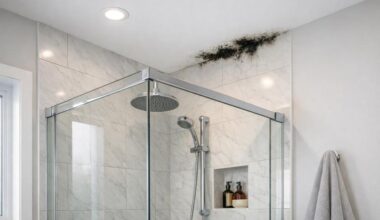
Once the immediate threat is managed, a thorough assessment is necessary. Inspect walls and ceilings for signs like stains, discoloration, or swelling. Examine floors, including carpeting, hardwood, or tile, for signs of warping, delamination, or mold. Assess personal items and furnishings to determine what is salvageable and what must be replaced. Always look and sniff for mold growth, as it can develop rapidly in moist conditions and pose significant health risks. Comprehensive damage evaluation not only supports effective restoration planning but is also crucial for accurate insurance claims.
Preventive Measures to Avoid Future Water Damage
Prevention is the best form of protection against the costly consequences of water damage. Regularly maintain and clean gutters and downspouts to ensure water is directed away from your home’s foundation. Install sump pumps in basements or crawl spaces where groundwater can accumulate, particularly in areas vulnerable to flooding. Properly seal windows, doors, and other entry points to guard against unnecessary leaks. Monitor your water bills for unexpected increases, which can signal hidden leaks behind the walls or under the floors. Landscape your yard so the ground slopes away from your home, preventing water from pooling against the foundation.
When to Call Professional Restoration Services
Although small leaks or spills are manageable on your own, certain situations demand expert attention. Call professionals when large areas are soaked, when water remains for more than 24 hours, or when contamination from sewage or floodwater is suspected. If mold becomes visible or you notice persistent musty odors, specialized remediation is needed to protect both your property and your health. Structural damage, such as sagging ceilings or warping floors, requires immediate evaluation to avoid long-term safety risks. Restoration specialists have the equipment and expertise to thoroughly dry, clean, and repair affected areas, reducing the risk of long-term issues and ensuring repairs meet code requirements.
Choosing the Right Restoration Service
Selecting a skilled and reliable restoration team is as important as acting quickly. Prioritize companies with certifications and up-to-date training in water damage response. Investigate their years of experience and ask for references or customer reviews to confirm their reputation. Since emergencies can strike at any time, look for providers offering round-the-clock response. Quality companies are transparent in their work process and detailed in providing cost estimates up front.
Understanding Insurance Coverage for Water Damage
Understanding what your homeowner’s insurance policy covers in water damage scenarios will make your restoration journey smoother. Review your policy thoroughly, paying attention to exclusions and coverage limits. Document every aspect of the incident, from the initial water intrusion to completed repairs, backing your insurance claim with photos and receipts. Report the damage to your insurer promptly to avoid delays or disputed claims.
Conclusion
Managing water damage in Woodinville means knowing your risks, taking prompt action when leaks or floods occur, and investing in preventive home improvements. From regular maintenance and quick emergency response to choosing the right professionals and handling insurance efficiently, each step ensures your home remains safe, sound, and more resilient to unpredictable Pacific Northwest weather.