Key Takeaways:
- Therapy fosters self-awareness, emotional resilience, and personal development.
- Various therapeutic approaches, including traditional talk therapy and innovative methods like ecotherapy, contribute to overall well-being.
- Engaging in therapy can lead to improved mental health, enhanced relationships, and a more fulfilling life.
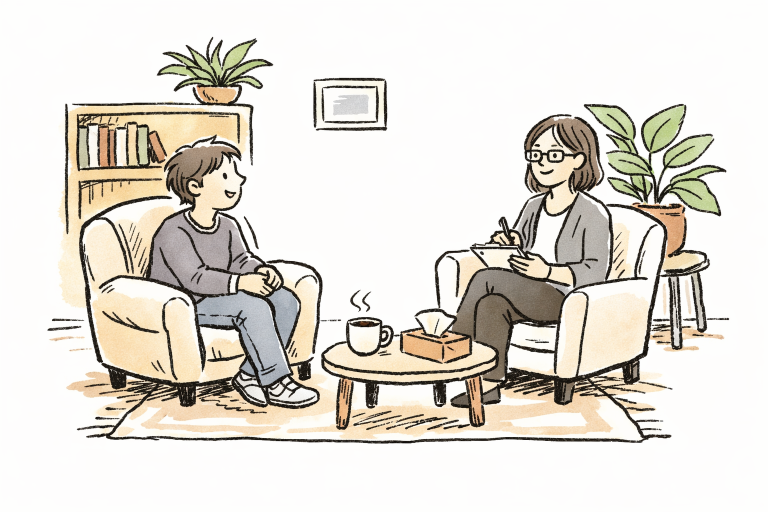
Modern life can be overwhelming, packed with constant obligations and external pressures. As a result, many people seek constructive ways to better understand themselves and enhance their well-being. Therapy stands out as a proven method for personal growth, offering individuals a systematic environment to examine thoughts, feelings, and behaviors. This process is not only about addressing mental health concerns but also about becoming the best version of oneself. For those considering starting therapy, you can book a consultation with a registered Toronto psychotherapist for personalized support on your journey.
Whether you’re looking to overcome specific obstacles or aiming for general self-improvement, therapy can be incredibly beneficial. It paves the way for deeper self-knowledge and equips you with skills to manage daily challenges better. In this article, we will explore how therapy builds self-awareness, enhances emotional resilience, introduces various approaches to healing, and offers real-life examples of transformation.
Therapy is not only for those in crisis. It can be an ongoing resource for anyone who wants to explore their inner world, strengthen relationships, and nurture a fulfilling life. Embracing therapy as a tool for growth is a proactive step toward sustained well-being and personal development.
By examining what therapy actually involves and the diverse forms it can take, you will see how this supportive journey can spark meaningful change. The field continues to evolve, integrating innovative practices that align with different personalities and needs.
Building Self-Awareness
Developing self-awareness is one of the core foundations of effective therapy. Guided by a skilled therapist, clients are encouraged to reflect on their beliefs, habits, and ways of interacting with the world. This gentle uncovering can reveal long-standing patterns that may have gone unnoticed, providing opportunities to understand the roots of certain behaviors or emotions.
Therapy often uses reflective questions and techniques that help individuals gain clarity about what truly matters to them and why they respond to situations in particular ways. This greater awareness enables people to make intentional choices rather than act out of habit or unconscious bias. As self-understanding grows, clients find themselves more able to align their decisions with their deepest values and long-term goals.
Self-awareness is linked to improved emotional intelligence and better interpersonal relationships. By truly seeing oneself, individuals can break free from cycles that no longer serve them and adopt healthier, more supportive mindsets. According to the Psychology Today, cultivating self-awareness is a vital step in meaningful personal growth, providing insight that leads to lasting life changes.
Developing Emotional Resilience
Emotional resilience refers to the ability to adapt to stress, adversity, and setbacks in a healthy way. Life inevitably presents hardships, but therapy equips people with tools and coping strategies to handle these situations more effectively. Through ongoing support and evidence-based interventions, clients learn to regulate their emotions, reduce anxiety, and process difficult experiences constructively.
Resilience does not mean avoiding emotions. Instead, therapy teaches people to acknowledge and work through their feelings safely, using skills such as mindfulness, grounding techniques, and self-compassion. Over time, these practices foster a sense of confidence and stability, making it easier to recover after challenging events. The Mayo Clinic notes that resilience can be actively developed through intentional practice and supportive relationships, both of which are cornerstones of effective therapy (Mayo Clinic).
Exploring Various Therapeutic Approaches
Therapy embraces a wide spectrum of modalities, each tailored to different individuals or specific issues. Some of the most widely used and emerging therapeutic methods include:
- Traditional Talk Therapy:Involves structured, empathetic conversations with a trained therapist. This method creates a confidential space to process emotions, challenge distorted thinking, and develop healthier perspectives.
- Ecotherapy:Connects clients with nature to enhance well-being. Research compiled by The Washington Post underscores that spending time outdoors not only boosts mood but also improves cognitive function and reduces symptoms of depression and anxiety.
- Art Therapy:Integrates creative processes, such as drawing or sculpting, to provide alternative forms of expression for emotions. Individuals who participate often find relief from stress and enhanced self-insight. Recent findings published by WFSU highlight how art therapy offers a holistic experience, engaging both mind and body in self-exploration and affirmation. Art therapy offers a holistic experience that benefits mental well-being.
Each approach can be personalized to suit unique personalities, ages, and backgrounds. This diversity in therapy means that everyone can find an approach that helps them grow in ways that feel most authentic and effective.
Real-Life Examples of Personal Growth Through Therapy
Real stories help bring therapeutic benefits to life. Take the example of Julie Hart, who sought just one therapy session when facing a persistent problem. The clarity and reassurance she gained enabled her to move forward with renewed perspective and confidence. Experts affirm that even brief therapy can be effective if the individual is open to reflection. Experts affirm that single therapy sessions can be effective with the right mindset.
Such outcomes are not unusual. Many people find that therapy gives them the courage to try new behaviors, set healthy boundaries, and approach life with greater optimism. With ongoing support and a willingness to engage, therapy becomes not just a place for healing but a launchpad for positive change and self-discovery.
Conclusion
Therapy is a powerful ally for those seeking personal growth, emotional resilience, and enhanced well-being. By fostering greater self-awareness and offering a range of therapeutic approaches, individuals are empowered to make positive changes that ripple through all areas of life. Whether through traditional sessions, time spent in nature, or creative expression, therapy is a pathway to deeper understanding and sustained happiness. Consider exploring therapy as a proactive step toward a more vibrant and fulfilling future.