Key Takeaways
- Innovative metal building designs in Florida address both functionality and aesthetics.
- Advancements in materials and construction techniques enhance durability and sustainability.
- Case studies highlight successful implementations of creative metal structures.
Introduction
The evolution of metal building construction in Florida is driven by the state’s distinctive climate and dynamic architectural landscape. Structures now feature innovative forms and technologies that address both environmental resilience and modern design trends. As the demand for construction solutions that withstand Florida’s coastal weather rises, options such as impact windows and doors have become part of integrated building strategies to ensure safety and efficiency.
Metal buildings are no longer limited to industrial or utilitarian purposes. Architects and builders are blending sleek aesthetics with practical features to meet the dual needs of functionality and visual interest. This creative shift has encouraged new material choices, energy-efficient layouts, and construction methods that reduce overall impact while achieving impressive performance standards.
Coupled with the region’s growing population and evolving business sectors, innovative metal construction is helping reshape urban skylines and residential communities across the Sunshine State. These methods offer solutions to the challenges posed by humidity, hurricane threats, and the desire for sustainable living. Throughout Florida, the intersection of engineering excellence and creative vision is producing buildings that exemplify progress and adaptability. Homeowners, developers, and municipal planners are opting for projects that combine robust strength with striking architectural features, ensuring structures are both safe and attractive.
Innovative Designs in Metal Construction
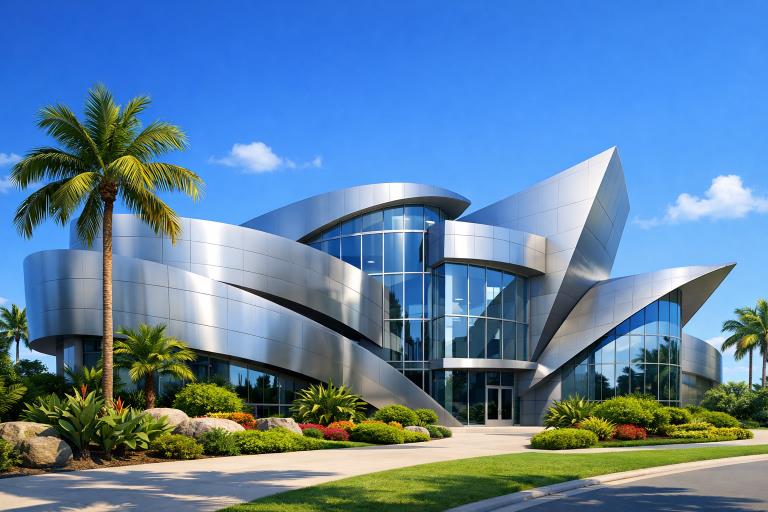
Metal construction in Florida is seeing a rapid departure from purely function-driven forms. For example, the DiCarlo Residence on Longboat Key features a unique curved metal roof that elegantly wraps the entire building. This design provides more than curb appeal. It strategically shades the home and dramatically lowers indoor heat gain during the state’s hottest months. These architectural innovations reflect broader coastal trends highlighted by organizations dedicated to modern metal buildings.
Commercial developments are also adopting creative configurations. Angular facades, expansive overhangs, colored panels, and mixed-use spaces are now common in office complexes, retail plazas, and schools. These new design principles not only enhance the user experience but also serve a vital function by managing light, airflow, and storm protection. More buildings are integrating metal with glass and composite materials, allowing for open floor plans and maximizing natural light while maintaining durability. By delighting both investors and the Florida construction community, these design solutions have become hallmarks of progressive architecture in the state.
Advancements in Materials and Techniques
Pairing aesthetics with longevity requires continual innovation in building materials and construction protocols. Modern metal buildings rely on cutting-edge products to reduce maintenance, extend lifespan, and increase overall safety. Systems like the EZWall® system by A-1 Industries demonstrate this progress. By streamlining wall framing, builders can reduce both labor requirements and waste, benefiting the environment and the project budget.
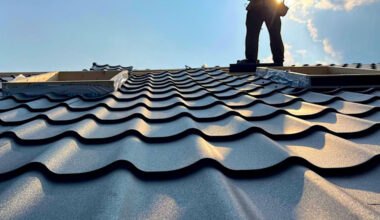
Galvanized and coated metals now offer much higher corrosion resistance, essential for Florida’s salt-laden air and high humidity. Techniques such as panelized construction are also common, in which sections are prefabricated and quickly assembled on site, reducing construction time and improving quality control. The use of recycled and recyclable materials is steadily increasing as companies aim to reduce the carbon footprint in every stage of a building’s lifecycle. Organizations like the American Institute of Architects regularly document these advancements, providing case studies and guidelines to enhance sustainable construction practices across all regions, including Florida.
Case Studies of Creative Metal Buildings
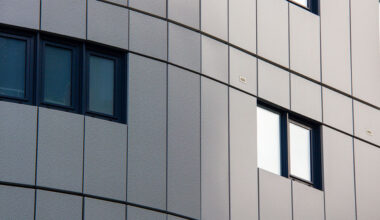
Florida offers plenty of examples of creative metal construction that have led to visually striking, highly functional buildings. The Field House at Pompano Beach’s Youth Sports Complex is a standout project. Its yellow metal lattice wraps around an expansive porch, providing essential shade, playful visual energy, and improved airflow. This design perfectly demonstrates how creative vision and local needs can merge. The Mount Sinai Medical Center Parking Garage is another example, where metal panels are arranged in a dynamic, irregular pattern, turning a traditionally plain building into an architectural focal point. This strategy enhances both the structure’s safety features and its neighborhood presence. Across both private and public projects, such case studies highlight how inventive uses of metal materials and design philosophies are redefining not just what a metal building can look like but how it functions for diverse communities.
Sustainability and Environmental Considerations
New approaches to sustainability are central to cutting-edge metal building construction. The GateLite panel system at Baptist Hospital in Pensacola illustrates this well. By integrating large windows directly into precast panels, the project team accelerated installation while significantly improving the facility’s energy efficiency. This not only reduces long-term costs but also demonstrates how sustainability goals can go hand in hand with architectural ambition.
Solar-ready roofs, high-performance insulation, efficient HVAC integration, and smart stormwater management are increasingly included in metal building projects throughout Florida. Environmental certifications are being pursued, and collaboration with engineers and sustainability consultants is now a regular phase in the building process. According to the U.S. Green Building Council, projects meeting LEED standards are on the rise, with metal buildings frequently among their most prominent examples.
Conclusion
The trajectory of metal building construction in Florida underscores a strong commitment to creative design, material innovation, and sustainability. As the state continues to grow and adapt to environmental challenges, metal buildings stand as icons of progress, marrying form with function. The future of Florida’s architecture will undoubtedly see further integration of these forward-thinking practices, setting benchmarks for both resilience and aesthetic appeal across the state.