In an era where home is both a retreat and a reflection of personal style, the emphasis on comfort without sacrificing sophistication has never been greater. Modern homeowners are seeking spaces that provide both physical relaxation and visual harmony, emphasizing the need for thoughtful, functional, and beautiful living environments. Those seeking a next-level blend of luxury and nature are looking into luxury apartments in Deer Valley with mountain views, an ideal option for anyone dreaming of a unique living experience that prioritizes both aesthetics and scenery.
The evolving world of residential design now seamlessly integrates natural materials, smart technologies, sustainable practices, and flexibility, creating homes that adapt easily to changing lifestyles. This holistic perspective transforms our living spaces into sanctuaries designed for modern life.
Embracing Human-Scaled Design
The shift to human-scaled design places comfort and usability at the forefront of contemporary residential architecture. This approach moves away from excessive minimalism, instead blending clean lines with natural textures and carefully considered proportions. By focusing on how people move through and interact with their environment, designers create homes that feel inviting and intuitively functional.
This design philosophy also emphasizes accessibility, ensuring that spaces are not only beautiful but also practical for all ages and abilities. Universal design elements, such as wide doorways and step-free entryways, enable individuals to age in place and accommodate guests with diverse needs, making these spaces future-proof. Ergonomic fixtures and user-centric layouts further personalize the living experience, reducing physical strain and facilitating effortless movement from room to room. By integrating these subtle yet impactful qualities, human-scaled design nurtures a sense of belonging and ease that benefits every household member.
The Rise of the Cozy Modern Aesthetic
The once-popular stark modern interiors have softened into a cozy variant that merges minimalist architectural forms with layers of warmth. Designers now recommend using plush fabrics such as velvet, wool, and linen alongside earthy hues and natural wood finishes. This style promotes both a refined and an approachable look, giving residents visual comfort without sacrificing the clean appeal of modern design. Layering textures invites relaxation and tactile enjoyment into every room.
This aesthetic goes beyond simply choosing the right materials; it invites homeowners to curate atmospheres that soothe and uplift. Thoughtful use of accent lighting, personalized art, and cherished mementos layered amidst sleek furnishings creates individuality and warmth. Statement walls in subtle tones or nature-inspired wallpapers add cozy authenticity, while soft area rugs and handwoven throws underscore comfort and hospitality. These nuanced touches ensure that even the sleekest spaces retain a welcoming, human quality.
Maximizing Natural Light
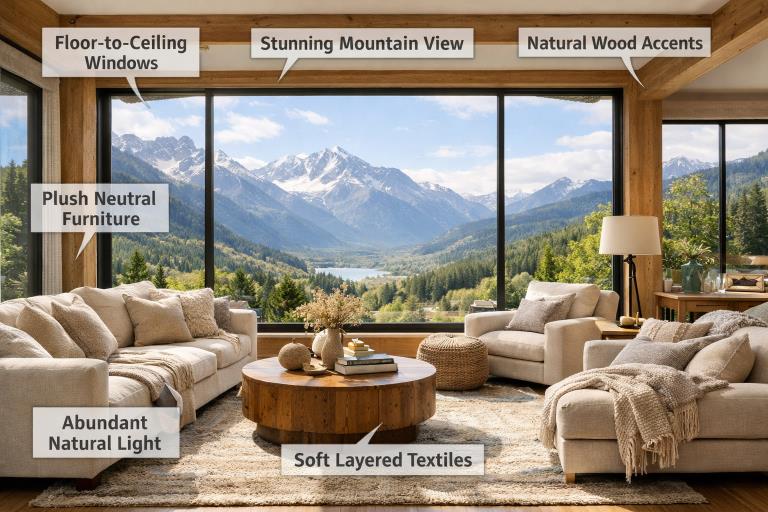
Flooding interiors with daylight is a hallmark of today’s best residential spaces. Expansive floor-to-ceiling windows are no longer merely a visual accent; they are a crucial means of connecting interiors with nature. This approach improves both health and mental well-being by letting the outdoors in, and it visually expands living areas. Flexible glazing solutions, such as sliding glass walls, make it easy to let in fresh air and create a seamless transition to patios, gardens, or balconies. Designs that prioritize daylight are supported by research showing natural light reduces stress and boosts productivity.
To further emphasize the benefits of natural light, window treatments are becoming more sophisticated and purposeful. Sheer curtains, automated blinds, and reflective surfaces help to diffuse sunlight throughout interior spaces, minimizing harsh glare and maximizing energy efficiency. Strategic placement of mirrors amplifies daylight, illuminating darker corners and creating an airy atmosphere. Architects often align rooms to the sun’s path, ensuring spaces like kitchens and living rooms receive optimal light during the day, enhancing daily routines and contributing to a heightened sense of well-being.
Integrating Smart Home Technology
Today, home automation is being integrated into residential architecture in subtle and sophisticated ways. From lighting and climate control to security and entertainment, technology is seamlessly woven into home layouts. The latest smart systems offer understated interfaces, think voice activation, touch sensors, and smartphone integration—so residents enjoy convenience without clutter. For example, hidden smart thermostats and automated window shades are engineered to complement their surroundings, not detract from design. This technological harmony enhances both ease and efficiency, turning smart homes into comfortable and responsive environments.
Beyond convenience, smart technologies have evolved to significantly lower energy consumption and increase home safety. Sensors that monitor occupancy and adjust heating or cooling help reduce waste while maintaining optimal comfort. Integrated home security systems, encompassing surveillance cameras, smart locks, and real-time alerts, provide peace of mind without diminishing the aesthetics of the space. Well-designed apps and home hubs now allow centralized control of all connected devices, offering homeowners real-time information and effortless management of their environments. These innovations ensure that technology supports daily living while aligning with contemporary design values.
Utilizing Sustainable Materials
Sustainability is now central in the choices architects and homeowners make. Modern design celebrates eco-friendly materials such as recycled woods, bamboo, and non-toxic paints. Bioclimatic homes, for instance, are constructed to utilize natural resources, including sun, wind, and geothermal energy, for reduced energy consumption and smaller carbon footprints. This commitment not only conserves resources but also yields healthier, more resilient homes for residents.
These sustainable choices are also being bolstered by the integration of circular design thinking and green certifications. Homeowners are increasingly drawn to materials with Environmental Product Declarations (EPDs), LEED ratings, or FSC certification, supporting transparency and responsible sourcing. Innovative options such as eco-concrete, recycled metal panels, and upcycled glass tiles have entered the design mainstream, offering durability along with visual appeal. Using local materials reduces transportation emissions and strengthens connections to the surrounding environment. As a result, sustainability in residential design not only supports environmental stewardship but also resonates deeply with the desire for authenticity and long-term value.
Designing Flexible Living Spaces
Adaptability is crucial in a world where needs evolve rapidly. Modern homes often feature open floor plans and moveable partitions to create zones that accommodate different activities, from remote work to entertaining. The best flexible interiors make it easy to reorganize spaces as family dynamics and routines shift, providing a sense of fluidity throughout the house. A well-designed flexible space also enhances the daily rhythm, promoting order and tranquility by allowing clutter to be managed and routines to be simplified.
Incorporating multifunctional furniture, such as wall beds, fold-out desks, or expandable dining tables, can maximize usable space in compact homes or apartments. Dedicated nooks and alcoves serve as quiet retreats for reading or meditation, while sliding panels or modular shelving can instantly transform an area to suit changing needs. Embracing this level of flexibility supports modern lifestyles where home can be a workplace, gym, classroom, or social hub, responding to residents’ shifting priorities throughout the week and even the day. Ultimately, these adaptable layouts empower homeowners to make the most of every square foot while maintaining a sense of comfort and cohesion.
Conclusion
The reimagining of residential spaces continues at a rapid pace, prioritizing both contemporary elegance and genuine comfort. By welcoming human-scaled principles, natural materials, daylight, smart technologies, and versatile layouts, homeowners find themselves in environments that nurture, rejuvenate, and inspire. These modern approaches ensure that our homes remain not just shelters, but personal sanctuaries that effortlessly reflect and enhance our evolving lifestyles.
Looking ahead, future trends may further blend indoors and outdoors, introduce new sustainable innovations, and encourage smart solutions that intuitively respond to homeowners’ needs and environmental contexts. The result will be living spaces that inspire creativity, support well-being, and remain adaptable to whatever changes tomorrow may bring. Thoughtful residential design is not a fleeting trend but an ever-evolving journey toward better living, comfort, and style for years to come.