Key Takeaways
- Chicago’s extreme seasonal weather creates constant stress on roofing systems
- Ice dams, wind damage, heat exposure, and humidity are the most common roofing challenges
- Modern roofing solutions prioritize durability, energy efficiency, and moisture control
- Proper installation and routine maintenance are just as important as material choice
- Local expertise is essential for long-term roofing performance in Northern Illinois
Chicago’s climate is among the most demanding for roofing in the United States. Homeowners across Chicago, Glenview, and surrounding Northern Illinois communities served by Len Roofing and Remodeling experience constant exposure to rapidly changing weather conditions that directly affect roof durability, performance, and long-term maintenance needs. These conditions make Chicago roofing services essential for ensuring proper installation, repair, and long-term protection of residential and commercial properties.
From freezing winters with heavy snow to humid summers, strong winds, and sudden hailstorms, roofing systems in this region must be designed to handle continuous stress. Because of this, modern roofing is no longer focused only on appearance. It must also provide resilience, energy efficiency, and long-term protection against seasonal extremes.
Local roofing professionals, including established providers such as Len Roofing and Remodeling serving Chicago and nearby Illinois suburbs, consistently emphasize that understanding regional weather patterns is the foundation for choosing the right roofing system.
Heat and Sun Exposure in Chicago
Although Chicago is often associated with cold winters, summer heat can place significant strain on roofing systems. During peak summer months, roof surfaces absorb intense sunlight for extended periods, which can gradually degrade materials.
UV exposure is one of the main causes of roofing wear during summer. Shingles lose granules, become brittle, and may begin to curl or crack over time. This weakens the protective layer that prevents moisture intrusion.
To address these issues, homeowners in Chicago and surrounding areas are increasingly selecting reflective roofing systems and upgraded materials that reduce heat absorption. Metal roofing is also becoming more common due to its ability to reflect sunlight and maintain structural stability during extreme heat.
These solutions help reduce attic temperatures, improve indoor comfort, and lower cooling costs during hot Midwest summers.
Cold Weather and Ice Dam Formation
Winter conditions in Chicago create some of the most serious roofing challenges. Heavy snowfall combined with freezing temperatures leads to ice dam formation along roof edges.
Ice dams occur when heat from the attic melts snow on the roof surface. The melted water flows downward and refreezes at colder roof edges, forming a barrier that prevents proper drainage. This trapped water can seep beneath shingles, causing leaks, wood rot, and interior water damage.
Other winter-related roofing issues include:
- Shingle cracking due to freezing temperatures
- Increased structural load from heavy snow accumulation
- Gutter blockages caused by ice and debris
Proper attic insulation and ventilation are critical in preventing these issues. They help maintain consistent roof temperatures and reduce heat loss, both of which are the main causes of ice dams.
Wind, Storms, and Impact Damage
Chicago is known for strong winds and sudden storm systems that can cause significant roofing damage. High winds can lift shingles, loosen flashing, and expose underlying roof layers to moisture.
Hailstorms also pose a serious risk, especially for asphalt shingles, which can be bruised or lose granules upon impact. Over time, these issues can shorten the roof’s lifespan if not addressed promptly.
Modern roofing systems in Northern Illinois are now designed with enhanced fastening systems and impact-resistant materials. These upgrades help roofs withstand severe weather events and reduce the need for frequent repairs.
Moisture and Humidity Challenges
Due to its proximity to Lake Michigan, Chicago experiences high humidity year-round. This creates additional roofing challenges related to moisture retention.
When moisture becomes trapped beneath roofing materials, it can lead to mold growth, wood rot, and insulation deterioration. Over time, this weakens the roof’s structure and can even affect indoor air quality.
Ventilation plays a major role in controlling moisture levels. Proper airflow in the attic helps regulate temperature differences and prevents condensation buildup.
Many modern roofing systems now include moisture-resistant underlayments and treated materials designed specifically for humid climates like Northern Illinois.
Roofing Materials Designed for Chicago Weather
Roofing material selection has evolved significantly to meet the demands of Chicago’s climate. Homeowners now have access to materials that offer improved durability, flexibility, and weather resistance.
Common options include:
Architectural asphalt shingles
These remain popular due to affordability and reliable performance. They are designed to handle moderate wind and snow loads while offering a wide range of styles.
Metal roofing systems
Metal roofs are highly durable and perform well under heavy snow, wind, and heat exposure. They also offer long lifespans with minimal maintenance.
Synthetic roofing materials
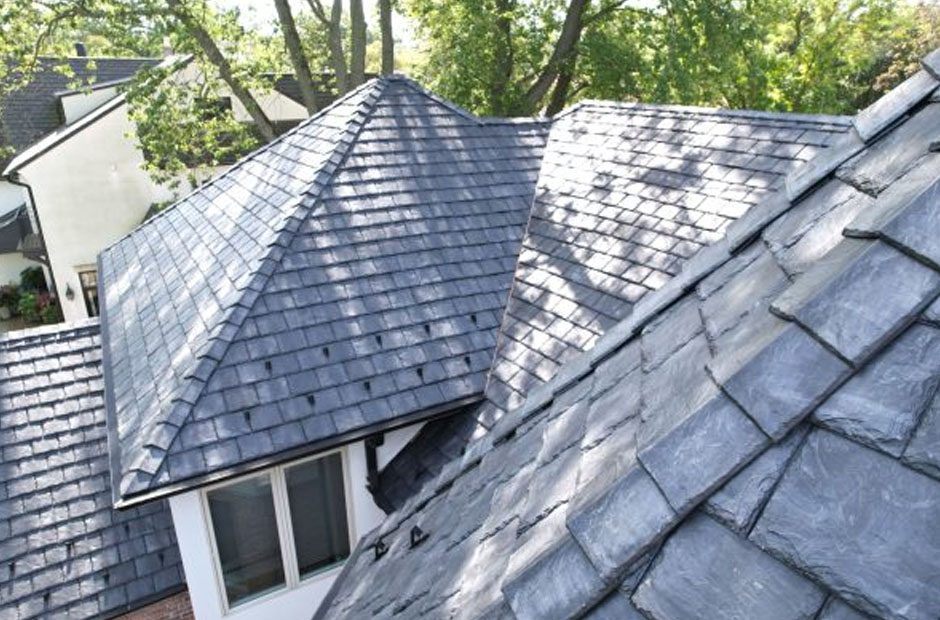
These engineered products replicate the appearance of slate, wood, or tile while providing superior resistance to moisture, impact, and temperature changes.
Selecting the right material depends on the home structure, budget, and exposure to weather conditions.
Energy Efficiency and Cost Savings
Energy efficiency is becoming a major priority for homeowners in Chicago and the surrounding suburbs. Roofing systems play a significant role in regulating indoor temperatures year-round.
Modern roofing designs include reflective coatings and improved insulation layers that reduce heat transfer. This helps keep homes cooler in summer and warmer in winter, reducing reliance on HVAC systems.
Some homeowners are also integrating solar roofing systems to further reduce energy costs and improve sustainability. These systems are particularly effective when installed on properly oriented roof sections that maximize sunlight exposure.
Smart Roofing Technology and Monitoring
Technology is changing how homeowners maintain and monitor their roofs. Smart roofing systems now allow real-time tracking of roof conditions through sensors installed in key areas.
These systems can detect:
- Moisture buildup and leaks
- Temperature fluctuations
- Structural stress after storms
- Early signs of ice dam formation
This allows homeowners to address small problems before they turn into expensive repairs. It also shifts roofing maintenance from reactive to preventive care, which is especially valuable in a climate as unpredictable as Chicago’s.
Maintenance Strategies for Long-Term Performance
Even the best roofing system requires regular maintenance to perform effectively in Chicago’s climate.
Recommended practices include:
- Inspecting the roof at least twice per year, typically in spring and fall
- Clearing gutters and downspouts to prevent water buildup
- Checking shingles for damage after storms
- Ensuring attic insulation and ventilation remain effective
- Scheduling professional inspections after severe weather events
Homeowners who maintain their homes consistently tend to experience fewer emergency repairs and longer roof lifespans.
Frequently Asked Questions
What roofing material works best in Chicago’s weather?
Metal roofing and architectural asphalt shingles are among the most reliable choices due to their durability and weather resistance.
How often should a roof be inspected in Chicago?
At least twice a year, plus after major storms or hail events.
What causes ice dams on roofs?
Ice dams form when attic heat melts snow on the roof, which then refreezes at the edges and blocks drainage.
Are energy-efficient roofs worth it in Illinois?
Yes. They reduce heating and cooling costs year-round and improve indoor comfort.
Why is local roofing expertise important?
Local contractors understand Chicago’s weather patterns, building codes, and seasonal risks, leading to better installation quality and long-term performance.
Final Thoughts
Chicago’s weather creates constant challenges for roofing systems, making durability and proper installation essential for long-term success. From freezing winters and ice dams to summer heat and storm damage, every season places unique stress on roofs across the region.
Homeowners in Chicago, Glenview, and Northern Illinois communities benefit most when working with experienced local roofing professionals who understand these conditions. Companies serving Chicago and the surrounding Illinois suburbs provide solutions designed specifically for the region’s demanding climate.
Ultimately, modern roofing in Chicago is about more than protection. It is about adaptation, prevention, and long-term value. With the right materials, consistent maintenance, and expert guidance, homeowners can ensure their roofs remain strong, efficient, and reliable for decades.