Key Takeaways
- Clean school environments support student health, focus, and academic success.
- Professional services like Big League Clean help maintain consistent hygiene standards.
- Prioritizing cleanliness fosters safety, well-being, and a positive learning atmosphere.
- Shared responsibility for cleanliness strengthens community pride and long-term student outcomes.
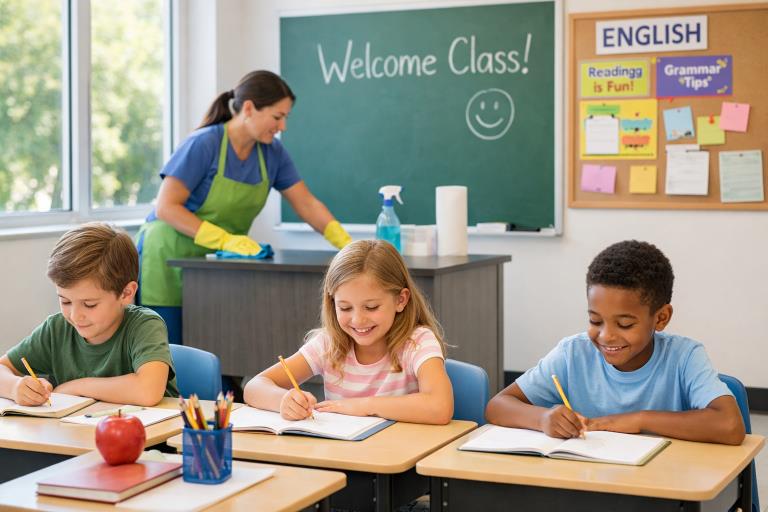
Maintaining a clean and organized classroom is more than just an aesthetic choice; it’s a fundamental component of fostering student success. A well-kept learning environment directly influences students’ health, focus, and overall academic performance. Professional services like cleaning services for K-12 schools offered by Big League Clean, a trusted provider in Denver and San Diego, ensure that educational facilities remain pristine and conducive to learning.
Health Benefits of Clean Classrooms
Classrooms are high-traffic areas where germs spread easily. Regular cleaning reduces bacteria and viruses, lowering illnesses and absenteeism. According to ISSA, a clean school environment can significantly curb infectious diseases, promoting better health among students and staff. It not only removes visible dirt but also dust mites, mold, and allergens that can worsen respiratory issues like asthma or allergies, common among school children. Improved indoor air quality benefits children’s health: particles and mold spores can decrease respiratory illnesses and increase participation in activities. Additionally, maintaining hygiene in shared spaces like science labs, art rooms, and libraries helps prevent outbreaks during cold and flu season, supporting year-round attendance and minimizing learning disruptions.
Enhanced Focus and Cognitive Performance
A clutter-free and hygienic classroom minimizes distractions, allowing students to concentrate better on their studies. Research indicates that students perform better on cognitive tasks when classrooms maintain comfortable temperatures and low carbon dioxide levels.
Beyond temperature and air quality, the psychological impact of a tidy environment should not be underestimated. Visually organized environments help foster a sense of calm and structure, enabling students to focus their energy on learning rather than navigating clutter or coping with chaos.
In fact, educators often report that well-kept classrooms support more effective classroom management and fewer behavioral interruptions, both of which are critical for productive learning sessions. By ensuring surfaces are free of dust, grime, and excessive clutter, schools provide students with spaces that stimulate curiosity and engagement.
Positive Behavioral Impact
Students are more likely to respect and take care of a well-maintained environment. Clean classrooms promote positive behaviors, reducing instances of vandalism and disorder. This creates a more conducive atmosphere for learning and personal development.
Furthermore, consistent cleanliness helps set clear expectations for respect and responsibility toward the environment. When students see that their school is maintained with care, they are more likely to take pride in their surroundings and help keep it clean. This sense of community ownership not only reduces discipline issues but also fosters teamwork and civic-mindedness among students of all ages.
Role of Professional Cleaning Services
Maintaining a clean learning environment requires expertise. Big League Clean offers specialized cleaning for K-12 schools, using advanced equipment and protocols that go beyond surface cleaning, including deep sanitation of carpets and restrooms. Their teams identify high-risk areas like door handles and shared devices, reducing cross-contamination. This ensures safety, cleanliness, and adherence to safety and environmental standards, supporting the well-being of students and staff.
Key Areas Requiring Attention
Certain areas within schools demand specialized cleaning attention due to their high usage and potential for germ accumulation:
- Classrooms and Lecture Halls:Desks, chairs, and whiteboards are frequently used and should be cleaned regularly.
- Restrooms:High-touch surfaces like faucets and door handles require daily sanitization.
- Cafeterias:Tables and food preparation areas must be kept hygienic to prevent foodborne illnesses.
- Gymnasiums:Equipment and locker rooms should be cleaned to maintain a healthy environment for physical activities.
Don’t overlook less obvious areas such as stair railings, locker exteriors, and shared technology stations; these spots often harbor germs and are touched countless times each day. Hallways and entryways also play a significant role, as they are the first impression for students, staff, and visitors entering the school. Floors, entrance mats, and waiting areas should be maintained to prevent dirt and moisture from being tracked throughout the building, which can degrade air quality and increase cleaning demands elsewhere.
Implementing Effective Cleaning Protocols
To ensure a clean learning environment, schools should implement several key steps. First, creating a cleaning schedule ensures regular maintenance of the school’s various areas. Second, selecting safe and effective cleaning products is crucial, particularly those suitable for use around children. Third, training for cleaning staff in established protocols and techniques is essential for maintaining high cleanliness standards. Additionally, engaging professional cleaning services can help uphold stringent cleanliness levels. Communicating cleaning protocols to staff and students is vital, as it encourages collective responsibility for cleanliness. Promoting hygiene practices, such as hand washing and proper waste disposal, further mitigates germ transmission and fosters a health-conscious culture. Schools should also periodically review and revise their cleaning protocols to align with evolving health guidelines and findings from past outbreaks. Transparent communication about these updates is important for building trust among parents and the community, reinforcing the commitment to student health and well-being.
Conclusion
A clean learning environment is integral to student health, focus, and overall academic success. By prioritizing cleanliness and engaging professional services like Big League Clean, schools can create spaces where students thrive and achieve their full potential.
Ultimately, investing in cleanliness is an investment in the future. From fostering a sense of safety and well-being to promoting academic achievement and community pride, maintaining a clean school environment benefits every aspect of student life. By making cleanliness a shared responsibility, schools pave the way for generations of healthy, focused, and successful learners.