Key Takeaways
- Modern apartments are integrating eco-friendly designs and technologies to enhance sustainability.
- Residents can adopt simple practices to contribute to a greener living environment.
- Innovative housing solutions are addressing both environmental concerns and the need for affordable living spaces.
As cities continue to attract more residents, sustainable apartment living is crucial for meeting the needs of environmentally conscious urban dwellers. Forward-thinking communities are adopting new strategies to create comfortable, ecologically responsible homes in bustling metropolitan landscapes. Developers and property managers have acknowledged this demand by collaborating with hotel construction specialists in Boise across the country, leveraging their expertise to balance aesthetics, convenience, and green practices.
Cutting-edge solutions, such as the use of smart technology, resilient materials, and wellness-focused amenities, are transforming apartment complexes into eco-friendly sanctuaries. The pursuit of innovation in sustainable design supports not just the environment but the health and satisfaction of residents as well. As these practices gain momentum, they point the way toward affordable, appealing homes that have a positive impact on both individuals and entire communities.
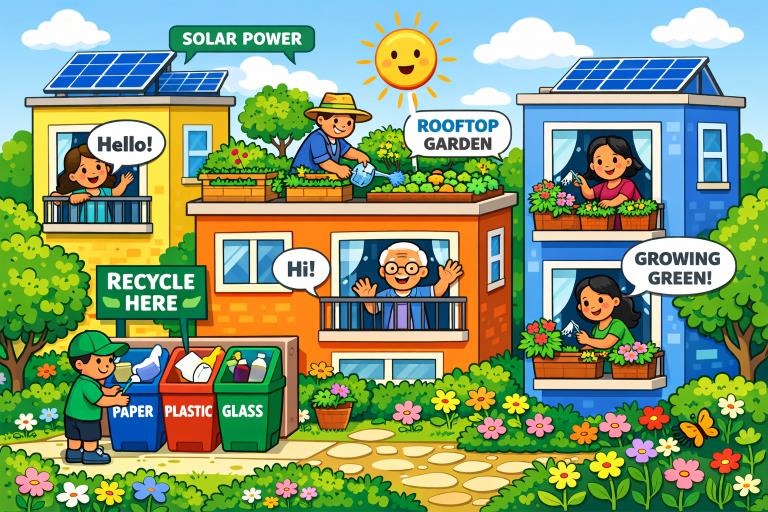
Residents themselves are increasingly part of the equation, participating in recycling, gardening, and energy-saving efforts. The wide range of sustainable practices now available ensures that apartment living can be both stylish and responsible, paving the way for a greener future in urban housing.
These shifts are not limited to high-profile developments; even mid-sized and smaller apartment communities are incorporating eco-minded approaches, making sustainable living accessible to more people. As highlighted by the Environmental Protection Agency, innovative approaches help communities address complex challenges such as urban density and affordability while maintaining high standards of design and comfort for residents.
Eco-Friendly Designs and Materials
Adopting an eco-friendly design in apartment construction starts with the materials chosen. Common choices include recycled steel, reclaimed wood, low-emission paints, and sustainable natural options such as bamboo. Large windows and skylights not only create brighter, more inviting spaces but also cut down on energy costs by maximizing the use of daylight. Architects often partner with sustainability experts to ensure these buildings offer improved air quality and long-term durability. According to the Environmental Protection Agency, today’s green apartment complexes prioritize non-toxic materials and resource-efficient design features, benefitting both residents and the planet.
Energy-Efficient Appliances and Systems
Sustainable apartment communities go beyond construction, equipping homes with appliances and systems that save energy every day. Smart thermostats, LED lighting, and Energy Star-certified kitchen appliances all play a role in reducing both utility bills and a building’s carbon footprint. Centralized heating and cooling systems are being upgraded for efficiency, sometimes featuring programmable controls or heat recovery ventilation. These approaches are increasingly important as cities seek to meet energy reduction goals, with many states providing incentives for apartments that upgrade to high-efficiency systems.
Water Conservation Strategies
Water conservation is another hallmark of responsible apartment design. Modern buildings incorporate low-flow toilets, aerated faucets, and sensor-driven fixtures, ensuring that residents enjoy comfortable living spaces while using less water. Efficient landscaping choices, such as drought-resistant plants and rainwater capture systems, further reduce unnecessary water use. Leak detection and smart irrigation controls add another layer of efficiency, helping communities play an active part in protecting this vital resource. As explained by the Environmental Protection Agency, even small plumbing upgrades can have significant impacts on a building’s overall water consumption.
Waste Management and Recycling
Waste reduction requires a coordinated approach in multifamily settings. Innovative apartment complexes are improving recycling rates by installing well-marked collection stations for paper, plastic, glass, and food waste. Some properties offer on-site composting, making it easy for residents to divert organic material from local landfills. With education and signage, more tenants are learning how to sort recyclables correctly and minimize contamination. Regular collection and the increasing use of compactors or balers also reduce the environmental impact of apartment waste streams and help create cleaner, healthier places to live.
Green Spaces and Community Gardens
Well-designed green space is fundamental to sustainable apartment living. Rooftop gardens, landscaped courtyards, and shared recreational areas do more than beautify. They improve air quality, support biodiversity, and foster a sense of community among residents. Apartment gardens allow people to grow their own vegetables, herbs, or flowers, cutting down on food-related emissions and building a direct connection to the natural world. Studies show apartment dwellers who have access to plants and nature-inspired spaces report higher satisfaction and greater well-being.
Resident Engagement and Education
The success of sustainable apartment living is rooted in active resident participation. Educational workshops, digital newsletters, and building-wide “green challenges” inform tenants about conservation strategies, recycling guidelines, and ways to reduce daily energy use. Inviting suggestions and feedback also empowers residents to take ownership of sustainability goals, fostering a culture of collective responsibility. Apartment managers can track and share progress, celebrating community achievements and encouraging lasting engagement with environmental initiatives.
Affordable and Sustainable Housing Initiatives
Affordability is a core concern for many renters, and new design models are making eco-friendly living accessible on a budget. Micro-units, adaptive reuse of older industrial sites, and modular construction offer creative solutions to housing shortages without sacrificing comfort or sustainability. These strategies often rely on partnerships between public agencies and private developers, maximizing both environmental savings and tenant affordability. As noted in the Environmental Protection Agency’s analysis of sustainable housing, these efforts help communities meet the dual goals of affordability and ecological stewardship, making better living available to more people.
Conclusion
Sustainable apartment living continues to evolve, driven by a combination of innovative design, resource-saving technology, and engaged residents. By choosing eco-friendly materials, prioritizing efficiency, and creating supportive shared spaces, apartment communities contribute to greener, healthier cities. The widespread adoption of these practices, coupled with the expansion of affordable, sustainable housing, points to a future where every urban resident can enjoy responsible and rewarding apartment living.