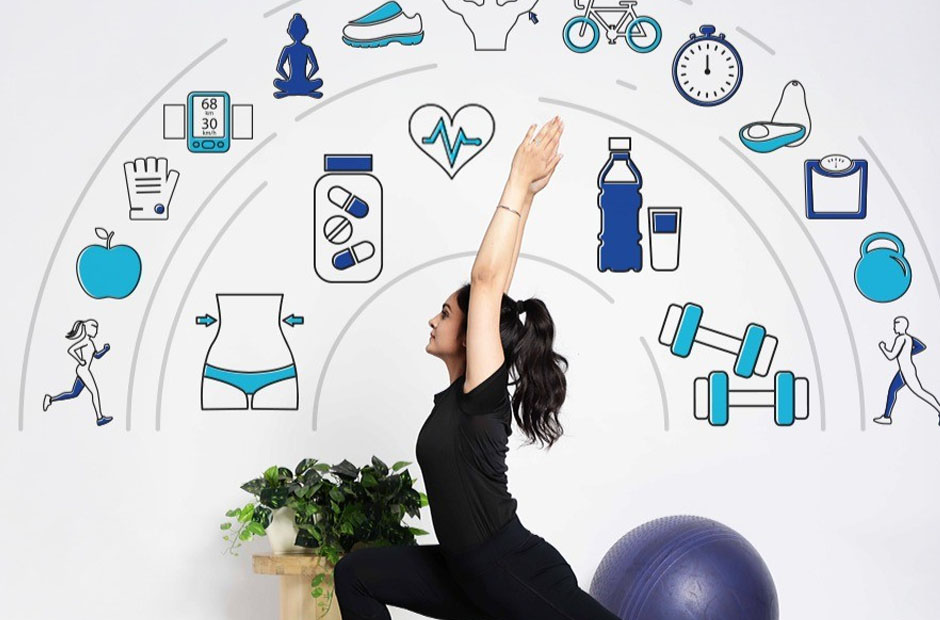
The most significant lifestyle adjustments individuals are currently making do not involve increasing their workload. Instead, they are focused on eliminating the subtle negative influences. Contemporary holistic health and well-being entail making fewer additions and more subtractions in terms of stressors, chemicals, and distractions that build up each day.
Protecting the nervous system with intentional rest
The shift to a less intense culture is actually happening. Many more individuals are blocking out “non-negotiable downtime” – periods of time that are stressed in exchange for work. This isn’t an excuse to be lazy; it’s applying what we now know about cortisol.
Persistent stress leads to long-term elevated cortisol levels, with deep repercussions: it interrupts sleep, weakens the immune system, and accelerates aging. What these people are doing differently is that they’re not only aware of this, but they’re acting on it. Post-sunset routines are designed to align with biorhythms. This means minimizing stressful activities after dark, maintaining a consistent wake-up time, and leveraging the vagus nerve to literally flip the body’s switch from stress to relaxation using techniques like slow, deep breaths.
It’s becoming a shift that treats recovery as an essential part of training, not as training’s absence.
Cleaning up what you consume, not just how much
Counting calories is not as popular as it used to be. Instead, the concept of bio-individuality has become more widespread – the notion that different ingredients have different effects on each person, and that monitoring one’s energy levels, sleep patterns, and inflammatory reactions to specific foods is more important than simply relying on the information provided on the nutrition label.
This is especially true when it comes to sulfites and chemical preservatives. Many individuals who believed they were sensitive to wine or had an intolerance to alcohol in general have come to realize that their symptoms – such as headaches, bad sleep, and fatigue the day after – are more closely related to the additives present rather than the alcohol itself. Therefore, low-intervention, organic, and purified alternatives have gained popularity. For anyone exploring this, this article can help guide you in your research of wine purification and the substances that are eliminated during the process.
In general, people are now paying more attention to ingredient lists and, upon discovering what is included in a particular product, are opting for alternatives.
The sober curious movement and cleaner social rituals
Connected to being mindful with what we consume, we’ve seen the rapid growth of the so-called sober curious movement. It’s not that people are giving up alcohol, they’re just being more selective about it. The question has changed from “how much did I drink?” to “what was in what I drank, and how do I feel today?”
This is something the Blue Zones has been evidencing for decades now. People in the world’s longest-living communities don’t drink alcohol in a total way, but they do drink less, of better quality and in a social way, not habitual. It’s a lifestyle change, not a puritan one.
Moving more, but differently
The current trend is that people are moving away from the one-hour gym session five times a week. Instead, they are adopting short bursts of physical activity throughout the day, also known as “movement snacks”. This is because most people had already given up on the unrealistic all-or-nothing approach.
For a lot of people, the new way to approach exercise is to focus on functional fitness rather than bodybuilding for aesthetics. People want to do exercises that translate to their daily life, such as carrying groceries, going for a hike, or playing with their kids. Examples like rucking (walking with a weighted pack) and yoga have become popular because they are easy on the body, sustainable, and you can do them whenever you find the time and don’t need a gym.
Studies have shown over and over again that long-term health is much better when there’s small, consistent daily movement compared to having long sedentary periods interrupted by occasional gym visits.
Detoxing the home environment
The trend toward toxin-proofing our living spaces has moved from niche wellness circles into the mainstream. Synthetic fragrances in candles and cleaning products, plastic food storage, non-stick cookware – these are all common targets for swap-outs that lots of us now consider maintenance issues instead of givens.
The interest in adaptogens like ashwagandha fits in here, too. More people are defaulting to substances that support the body’s own stress response than reaching for stimulants to push through more stress. Eliminate one easy form of stress? Sub in something that helps your nervous system buffer the rest.
Digital detox practices followed the same logic. Blue light exposure, constant notification cycles, and dopamine-driven scroll behavior all create a form of neurological clutter. Reducing screen time before bed, using the phone’s grayscale mode, or simply leaving devices out of certain rooms is the same instinct applied to a different input.
The pattern across all of it is consistent: identify what’s adding invisible burden, then remove it.
The lifestyle changes people are making around holistic wellness aren’t a checklist of virtuous new behaviors. They’re a series of considered subtractions – fewer additives, less cortisol, reduced digital noise, more deliberate rest. That framing makes it achievable in a way that “do more, eat better, exercise harder” never quite managed to be. People have decided their baseline should be higher.