Healthcare’s focus is not where it used to be. No longer is it on the newest, flashiest, shiniest place of technology or science. The most cutting-edge elements of the industry at this moment are human beings. Emotional intelligence. Communication. The power to empathize with someone else’s challenge, and push them past it. Pubic Health, and Holistic Health. Laughter. Tears. Hugs. House calls.
The numbers don’t lie
Employment in home health and personal care aide is expected to rise by 17% in the next ten years, a lot quicker compared to the total average for all job types. At it’s core, there is a structural transformation of how care is provided being undergone.
The main factor is demographics. The Baby Boomers are getting older, and millions of individuals are in the stage of life where chronic illness care becomes an everyday need. COPD and diabetes do not go away – they require continuous care, medication assistance, and aid with everyday tasks including bathing, clothing, and food preparation. Skilled nursing facilities cannot handle all of that quantity. They are already under pressure. Home-based care is stepping in because it needs to do so.
There is also a cost factor that healthcare payers have taken note of. It is a fraction of the cost of a lengthy stay in a clinical institution to keep someone well cared for at home. Insurance reimbursement, including Medicare Advantage, has extended coverage of home-based services since the expenses are justified. This policy transformation has dramatically expanded the market over the last couple of years.
The labor shortage is creating real opportunity
Help is in short supply, meaning this hiring environment is honestly competitive – for the worker’s advantage. Home health wages have gone up, and entry-level training offers have increased as firms aim to effectively expand their talent pipeline rather than get into a bidding war for a smaller pool of skilled applicants. This has implications for your broader professional path. Home health aide work is not a dead end – it’s a stepping-stone. Many aides use the position to obtain CNA qualification, licensed nursing credentials, or care coordination roles. The hands-on experience of working directly with patients in their home is highly valued by healthcare employers throughout the industry. The shortage is also regionally focused. The urban and suburban marketplaces with the largest populations of elderly people are the toughest, and local businesses are recruiting like mad. If you are set to start, looking specifically for home health aide jobs near Philadelphia – or the metro area closest to you – is the most direct route to a post. Community vendors often give quicker onboarding and are more likely to be appointed than national staffing agencies
Technology made this possible
Ten years ago, the management of complex conditions outside a hospital’s four walls came with serious risk. Today, a home health aide can visit a patient with heart failure supported by wearable devices that send vital signs directly to clinical command centers, telehealth apps that allow remote visits directly with a physician, alert systems that spot warnings inside the home, and even an analytics engine that can proactively suggest operational adjustments to improve patient outcomes.
What’s driving professionals toward these roles
Burnout experienced in hospital and clinic settings has led many high-skilled healthcare workers to consider a different location and type of work. High patient to provider ratios, administrative burden, and limited time with any one person conspire to make many CNAs, nurses, and therapists feel alienated from the reasons they became healthcare professionals in the first place. They are trying to treat a patient, not document a treatment.
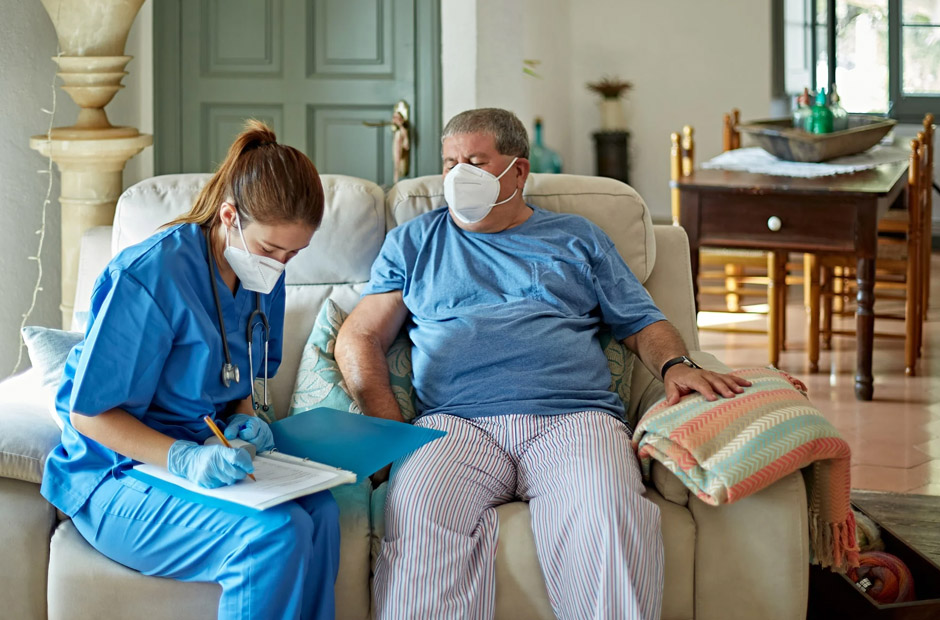
In a home setting that is not a problem. You are with the patient one-on-one for an extended time. You know the family, what they do on weekends, and their favorite foods. This is a real relationship in a way that is difficult to achieve in a 15-minute clinic appointment. For healthcare workers who entered a career in healthcare because they really wanted to help someone, this matters.
The other side of this equation is that for many patients, the home is the ideal setting for care. For a start, they are usually less stressed and more comfortable at home than in a clinic. This can sometimes lead to better outcomes. The care provided at home can also be cheaper. There is no rental costs as for a clinic or ward office, nor the need to duplicate equipment.
Aging in place is a preference, not just a policy
There is an intangible part of this equation that no economic metric can measure, but it’s very important for those involved. The majority of patients prefer to stay at their homes rather than be placed in a medical institution. Respite care, personal care, and skilled home visits help facilitate this preference. Also, multiple studies have indicated that elderly patients who are able to receive care at home have better mental health and a higher quality of life, compared to those who are moved to institutional settings early on.
Home health professionals are the ones enabling patients to stay at home for as long as possible. This job is more significant than one might think in the healthcare field. It is where some of the most meaningful impacts on patients are taking place, and the current job market is proof of that.