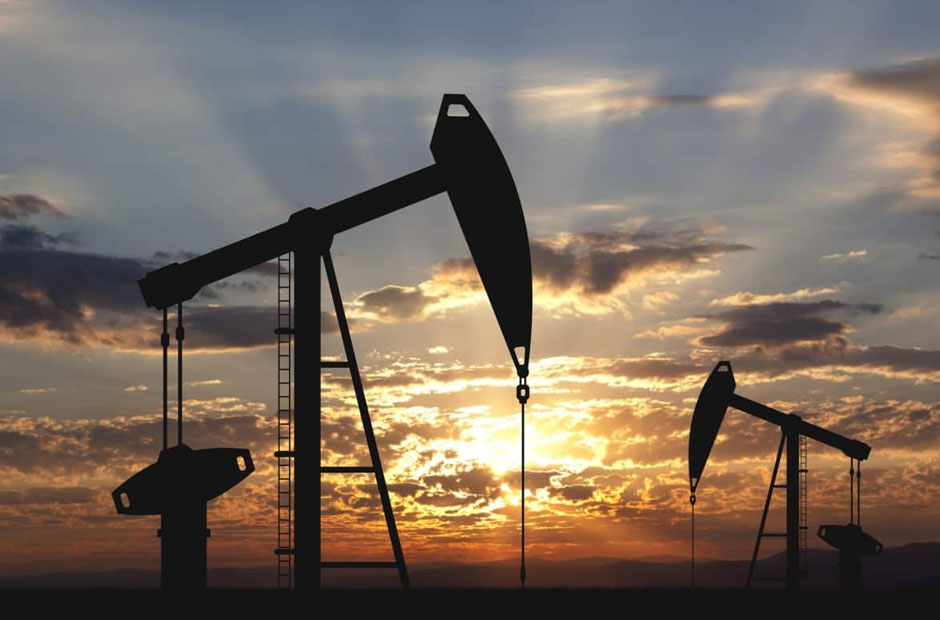
High-pressure drilling is a feat of engineering that requires constant vigilance over the forces trapped beneath the earth. When things go right, the machinery hums along with a steady rhythm that hides the incredible power being managed by the professional crew.
A sudden shift in balance can turn a routine day into a desperate struggle for survival in a matter of seconds. The sound of escaping gas or the sight of fluid surging toward the rig floor signals that the physical barriers have finally failed.
Every person on the site must rely on their training to navigate the chaos of an oil well blowout. Knowing how to react during these violent releases is the only way to minimise the damage to the environment and save human lives.
The Technical Origins of Pressure Failure
Subsurface pressure is usually kept in check by the weight of the drilling mud and the mechanical seals of the wellhead. A gas kick happens when the formation pressure exceeds the hydrostatic pressure of the fluid, forcing a surge of gas toward the surface.
Blowout preventers are designed to serve as the final line of defense by sealing the wellbore during an emergency. If these massive valves fail to close properly or if they are overcome by sheer force, the release becomes impossible to stop without external help.
Mechanical fatigue or poor maintenance can lead to a situation where the equipment simply cannot handle a sudden spike in energy. Identifying these vulnerabilities before they turn into a crisis is the most important part of any professional drilling operation on a modern site.
Immediate Action and Safety Protocols
The primary objective during a pressure event is to get every worker as far away from the wellhead as possible. Evacuation routes must be clearly marked and kept free of any debris to ensure that the crew can move quickly toward the designated muster points.
Emergency shutdown systems should be activated immediately to cut off the flow of power and fuel to the rig. This action reduces the number of potential ignition sources in the area, giving the team a better chance to manage the situation safely and effectively.
Communication remains vital even as the situation deteriorates into a loud and confusing environment. Using hand signals or specialized radios allows supervisors to account for every person and coordinate the response efforts while waiting for professional well control teams to arrive on the scene.
The Dual Threat of Fire and Toxic Inhalation
Escaping gas is highly flammable and can ignite with a single spark from a piece of machinery or a static discharge. A fire at the wellhead creates an intense wall of heat that makes it almost impossible for emergency responders to get close enough to work.
Toxic fumes like hydrogen sulfide are also a major concern because they can incapacitate a worker before they even realize a leak has occurred. These gases are often odorless at high concentrations, making personal monitoring devices an essential piece of safety equipment for everyone.
Protective masks and breathing apparatus are the only way to survive in an environment where the air has been replaced by harmful chemicals. Planning for these specific atmospheric hazards ensures that the crew has the right gear to protect their lungs while navigating a dangerous release.
Determining the Cause Through Forensic Evidence
Once the well is finally capped and the immediate danger has passed, a deep investigation must begin to find the source of the failure. Forensic engineers look at the damaged components and the digital records from the drilling sensors to piece together the timeline.
Maintenance logs and inspection records are scrutinized to see if any warnings were ignored or if a specific part was overdue for replacement. These documents often reveal a pattern of negligence that contributed to the mechanical breakdown of the primary safety systems on the rig.
Gathering this evidence is the only way to prevent a similar event from happening at another location in the future. Accurate data allows the industry to improve its designs and update its safety protocols to better handle the unpredictable forces found deep beneath the surface.
Recovering from a catastrophic industrial event takes a toll on the physical health and financial stability of the victims. Workers often face long medical recoveries and the uncertainty of whether they will ever be able to return to their original careers in the energy sector.
Legal protections exist to ensure that companies are held responsible for any shortcuts that led to the injuries or property damage. Navigating the aftermath of a major release requires a thorough approach to gathering facts and holding the negligent parties accountable for their choices.
Safety remains the most important part of any job in the oil patch regardless of production goals or deadlines. By respecting the power of the equipment and following strict protocols, the industry can protect its workforce and ensure that everyone makes it home safely.