Key Takeaways
- Immediate financial flexibility: EWA allows employees to access earned wages before payday, helping cover unexpected expenses and avoid high-interest debt.
- Reduced financial stress: Workers report lower anxiety and improved financial well-being when using EWA responsibly.
- Employer benefits: Offering EWA can improve employee satisfaction, retention, and overall workplace morale.
- Consider fees and dependency: Be mindful of service charges and avoid over-reliance to maintain long-term financial stability.
- Regulatory awareness: Stay informed about evolving rules to ensure transparency and consumer protection.
- Choose wisely: Evaluate fee structures, provider reputation, and employer integration before selecting an EWA service.
Introduction to Earned Wage Access
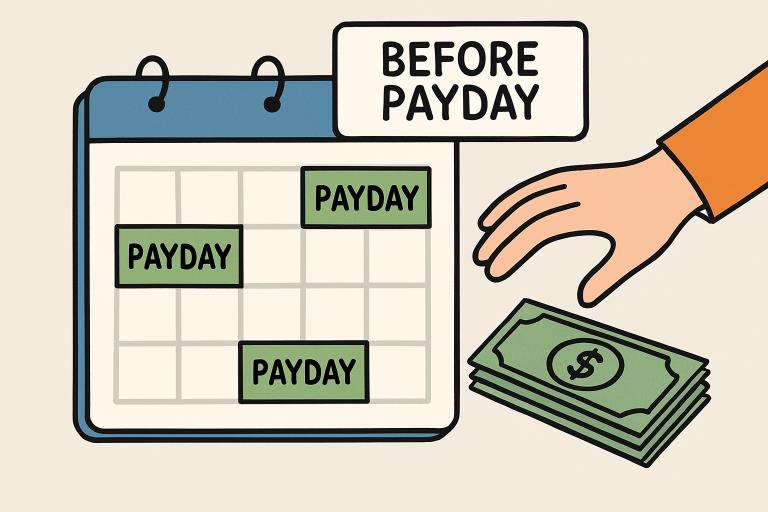
Earned Wage Access (EWA) is a modern financial service that allows employees to access a portion of their wages as they earn them, rather than waiting for the traditional payday. This solution is designed to provide workers with immediate financial flexibility, reducing the pressure to resort to high-interest credit, payday loans, or overdrafts. As the workforce increasingly seeks flexible pay options to cover unexpected expenses, EWA has become an attractive benefit for both employers and workers. For those seeking industry solutions, various earned wage access providers have entered the market, each offering different models and features to fit workplace needs.
Many employees experience a time gap between earning wages and receiving their actual payday. EWA bridges this gap, enabling individuals to exercise greater control over their income and financial planning. This innovative approach has grown in popularity across diverse sectors, especially among hourly, gig, and frontline workers. By providing quicker access to wages, these programs aim to help workers manage everyday expenses and unforeseen emergencies without incurring costly debt.
How Does Earned Wage Access Operate?
Earned Wage Access functions primarily through two models:
- Employer-Sponsored Model:In this arrangement, employers collaborate with EWA providers to offer advance access to earned wages as a workplace benefit. Employees use a dedicated platform to request a portion of their accrued pay, which is then deducted from their next paycheck. This model often provides seamless integration with payroll systems and may offer lower fees or even fee-free options for employees.
- Direct-to-Consumer Model:Employees can also leverage EWA services directly, independent of their employer’s active participation. The EWA provider verifies the employee’s earnings history and employment status and offers an advance against already-earned wages. Repayment occurs automatically on payday, and the employee may incur transaction or service fees.
Both types of models are designed to reduce financial vulnerabilities, offering users more timely access to their earned funds and reducing reliance on predatory lending. Some platforms also include financial literacy tools and budgeting resources to encourage responsible usage of the service.
Benefits of Earned Wage Access
Earned Wage Access delivers several important benefits to employees and employers alike:
- Increased Financial Flexibility:Employees can cover urgent needs and unexpected expenses without waiting until the next payday, reducing the likelihood of late payment penalties or overdraft fees.
- Reduction in Financial Stress:Immediate access to earned wages can significantly decrease anxiety and stress levels associated with living paycheck to paycheck.
- Improved Employee Retention and Satisfaction:Companies that offer EWA report higher rates of employee satisfaction and retention, as this benefit demonstrates responsiveness to worker needs and financial well-being.
According to the International Labour Organization, up to 85% of EWA users report reduced financial stress, while employers note the connection between EWA adoption and improved retention rates. The ability to access earned funds on demand is particularly valued by those with inconsistent work schedules or financial responsibilities that do not align with payday cycles.
Potential Drawbacks and Considerations
Despite its many benefits, there are a few critical drawbacks and considerations associated with EWA:
- Service Fees:Some EWA services charge fees per transaction or encourage optional tipping. Over time, these costs can add up and significantly impact take-home pay.
- Dependency Risks:Frequent use of EWA could signal deeper financial management issues. Employees who depend heavily on early wage access might enter a pattern of repeated borrowing that undermines long-term financial stability.
- Unclear Regulatory Structure:As EWA is relatively new, the regulatory environment is still evolving. Users need to stay informed about their rights and the rules governing these services.
Critics are especially concerned that high service fees could mirror the dangers of payday lending, creating a cycle of debt for vulnerable workers. This underscores the importance of careful provider selection and responsible use of EWA services.
Regulatory Landscape and Consumer Protection
The rapid expansion of EWA platforms has drawn attention from regulators. In July 2024, the Consumer Financial Protection Bureau (CFPB) proposed a rule that would classify certain EWA programs as loans if they impose fees, to promote greater transparency and consumer protection. This approach is intended to ensure that workers are informed about costs and protected from unfair lending practices.
Some states are also beginning to regulate EWA differently. For instance, Connecticut recently amended its Small Loans Act, defining EWA advances as loans subject to strict maximum interest caps. The result has been an effective end to EWA services within the state, demonstrating the complexity and variability of the regulatory environment across the country.
Choosing the Right Earned Wage Access Service
When evaluating EWA providers, employees, and employers should take several factors into consideration:
- Fee Structure:Clearly understand all fees, including per-transaction charges and optional tips. Look for transparent disclosure and compare providers before making a decision.
- Employer Integration:Verify if the service aligns with employer payroll systems or operates independently, as this affects access and user experience.
- Provider Reputation:Research user reviews and third-party ratings to ensure reliability and good customer service. Choose established brands with positive track records for worker advocacy.
Taking the time to evaluate these factors can help ensure the selection of a trustworthy and beneficial EWA service. Employees should also consider using budgeting tools and financial counseling resources, if available, to avoid dependency and make the most sustainable use of their wages.
Final Thoughts
Earned Wage Access provides a practical solution for employees seeking flexibility and control over their finances between paychecks. While EWA can significantly reduce financial stress and support workforce stability, users should remain vigilant about potential costs and the evolving regulatory landscape. By carefully selecting responsible providers and using EWA judiciously, workers can harness the benefits of this innovative service to enhance their overall financial well-being.