A healthy smile can influence comfort, appearance, and daily habits. Many people sense that something feels slightly off in their bite or alignment yet brush it aside. Clear signs can appear before discomfort sets in, and recognizing them helps someone seek care at the right moment.
A person thinking about orthodontic solutions in this area may notice subtle changes that signal a need for support from an Orthodontist Johns Creek professional. These changes can develop gradually, making them easy to overlook without regular attention to oral health and bite patterns. The signs are easy to spot once someone knows what to look for, and each one can point toward helpful guidance.
Tooth Crowding That Affects Everyday Habits
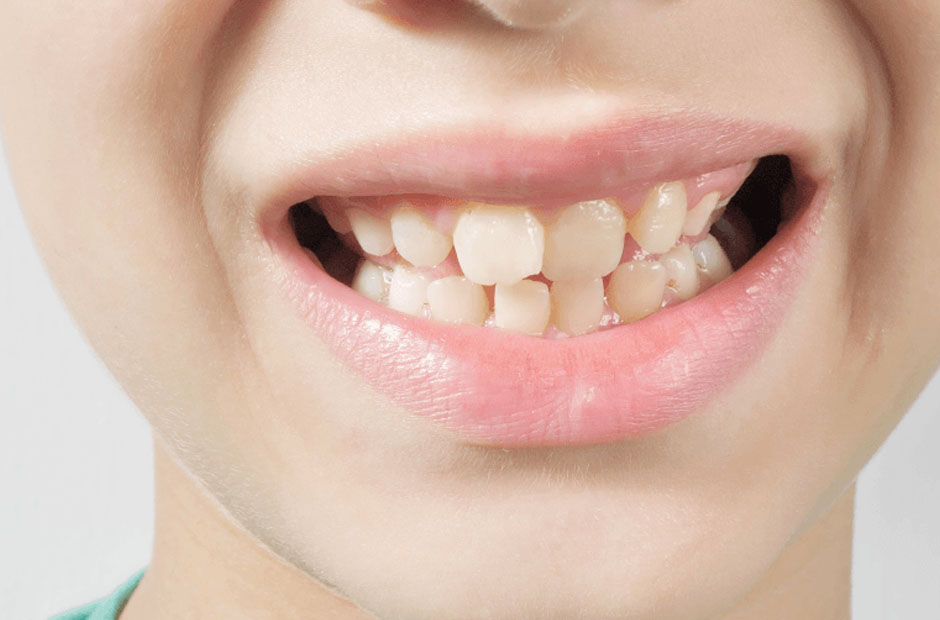
Crowding shows up when teeth seem to overlap or twist into a limited space. It can make routine cleaning harder and may create small pockets where food collects. Some people feel pressure on certain teeth because the bite shifts to accommodate crowded spots.
Crowding can also influence the way a person speaks or chews. It may lead someone to adjust chewing patterns without realizing it. That shift can create minor strain, which gradually motivates the search for orthodontic care.
Changes In Bite That Create Uneven Contact
Here are key points that help clarify what bite changes can look like.
- Uneven contact: Teeth may touch in a way that feels irregular or slightly off during simple movements.
- Jaw shifts: The jaw may settle into new positions that feel different during meals.
- Light clicking: Gentle noises can appear when the bite closes in a misaligned pattern.
- Pressure spots: Certain teeth may carry more pressure than others because of subtle alignment changes.
Spacing That Draws Attention In Photos
Gaps between teeth can create a distinct look that catches the eye in pictures. While spacing itself can be harmless, larger gaps may hint at underlying alignment differences. Some people notice air passing through these spaces while speaking, which brings attention back to the issue.
As spacing widens or shifts, the bite can shift as well. These changes can alter how the upper and lower teeth meet. Someone who sees these developments might realize that orthodontic care in Johns Creek can create a more balanced and comfortable fit.
Discomfort When Chewing Certain Foods
Mild discomfort while chewing can signal that teeth are meeting in ways they are not designed for. This can feel like a tiny pinch or a bit of pressure on one side. Certain foods bring this out more clearly, especially items that require steady, even pressure.
When discomfort shows up repeatedly, it can point toward alignment differences that deserve attention. A trained specialist in Johns Creek can identify small patterns that might not be obvious. This allows a person to make informed decisions that support long-lasting comfort.
Difficulty Cleaning Hard-to-Reach Areas
Here are simple indicators that show cleaning challenges caused by alignment changes.
- Tight angles: Small overlaps create spots that are tough to reach with regular brushing.
- Food trapping: Certain areas collect food more easily and feel different after meals.
- Crowded pathways: Floss may glide less smoothly between teeth that have shifted.
- Extra cleaning time: Daily care may take longer because of new pockets and turns.
Recognizing these signs helps someone understand when it might be time to meet with an orthodontist Johns Creek. Subtle changes in bite, spacing, comfort, and cleaning patterns all offer valuable clues. Each sign shows the mouth adapting in ways that deserve careful attention. An orthodontic evaluation brings clarity and guidance that can support a healthier, more comfortable smile. Taking that step can create positive changes that feel natural, balanced, and satisfying.