Heat sneaks up fast on a busy firing line. One moment, the rifle feels normal, and the next, the front end radiates warmth that demands respect. That shift can interrupt drills, slow adjustments, and pull attention away from fundamentals. Shooters who train regularly learn a simple lesson: temperature management is part of a safe setup.
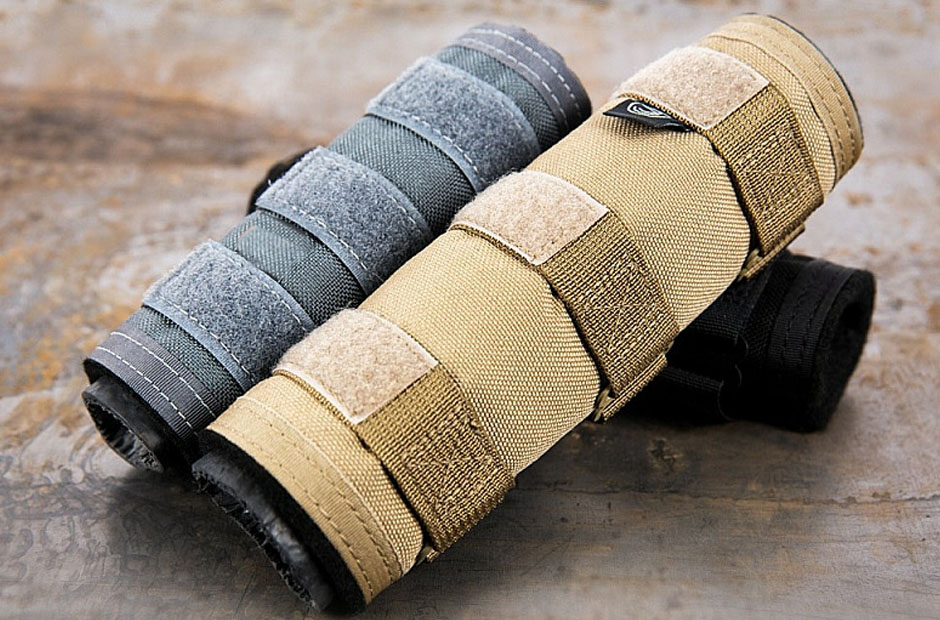
A supressor cover offers a practical fix. It places a barrier between skin, gear, and hot metal, while also helping shooters keep a clearer view through their optics. Here are the main reasons covers show up on hard-used range rigs.
Heat Protection That Prevents Accidents
A suppressor holds heat because it contains expanding gases shot after shot. During extended strings, the exterior can reach temperatures that make incidental contact painful. A cover reduces the chance of a quick brush turning into a burned hand or a rushed, awkward movement.
It also helps during routine tasks at the range. Sling adjustments, barricade work, and safe table handling become easier when the hottest part of the firearm is less exposed. For many shooters, that added safety margin is the first real benefit they notice.
A Clearer Sight Picture When Rounds Stack Up
Mirage is not limited to long-range shooting. Heat rising off the suppressor can ripple across the optic, especially when the rifle sits low, and the sightline runs close to the can. The result is a wavering image that makes fine holds harder than they should be.
A fitted cover reduces heat shimmer by insulating the surface and moderating airflow. The sight picture stays steadier, which supports better follow-through and more consistent groups during longer sessions.
Better Handling During Movement and Position Changes
Drills rarely stay static. Shooters move, switch shoulders, and work around props. A bare suppressor can feel slick, and it can be too hot to touch if the rifle shifts unexpectedly. A cover provides a more forgiving surface when contact happens.
Two moments where this matters are:
- Transition work, where the rifle swings close to the body.
- Barricade shooting, where the muzzle end rests near bags or supports.
That extra traction can improve control and reduce hesitation, which keeps training smoother and safer.
Protection for Slings, Bags, and Clothing
A hot suppressor can damage synthetic materials quickly. Slings, soft cases, and range bags can melt when they bump a heated can. Even a jacket sleeve can suffer if the muzzle end swings in tight spaces.
A cover acts like a buffer. It lowers heat transfer to nearby items and absorbs minor abrasion during transport. For shooters who hike to a spot or carry the rifle between stages, that protection adds up.
Fit and Retention Matter More Than Looks
Covers work best when they stay put. A loose wrap can slide, bunch up, or interfere near the muzzle. A secure design grips the suppressor firmly and resists shifting under recoil.
When evaluating options, focus on three basics: heat rating that matches your pace, retention that holds position without constant tightening, and length coverage that aligns with your suppressor so it does not snag on gear.
Covers do not exist for style points. They solve everyday range problems and let shooters stay focused on skills. Less heat exposure, fewer optic distortions, and reduced gear damage all support a cleaner session. If a shooter runs longer strings or trains around props, adding a supressor cover can be a simple upgrade for comfort and control. It also helps the shooter keep a consistent grip and pace, which makes practice feel more predictable today.