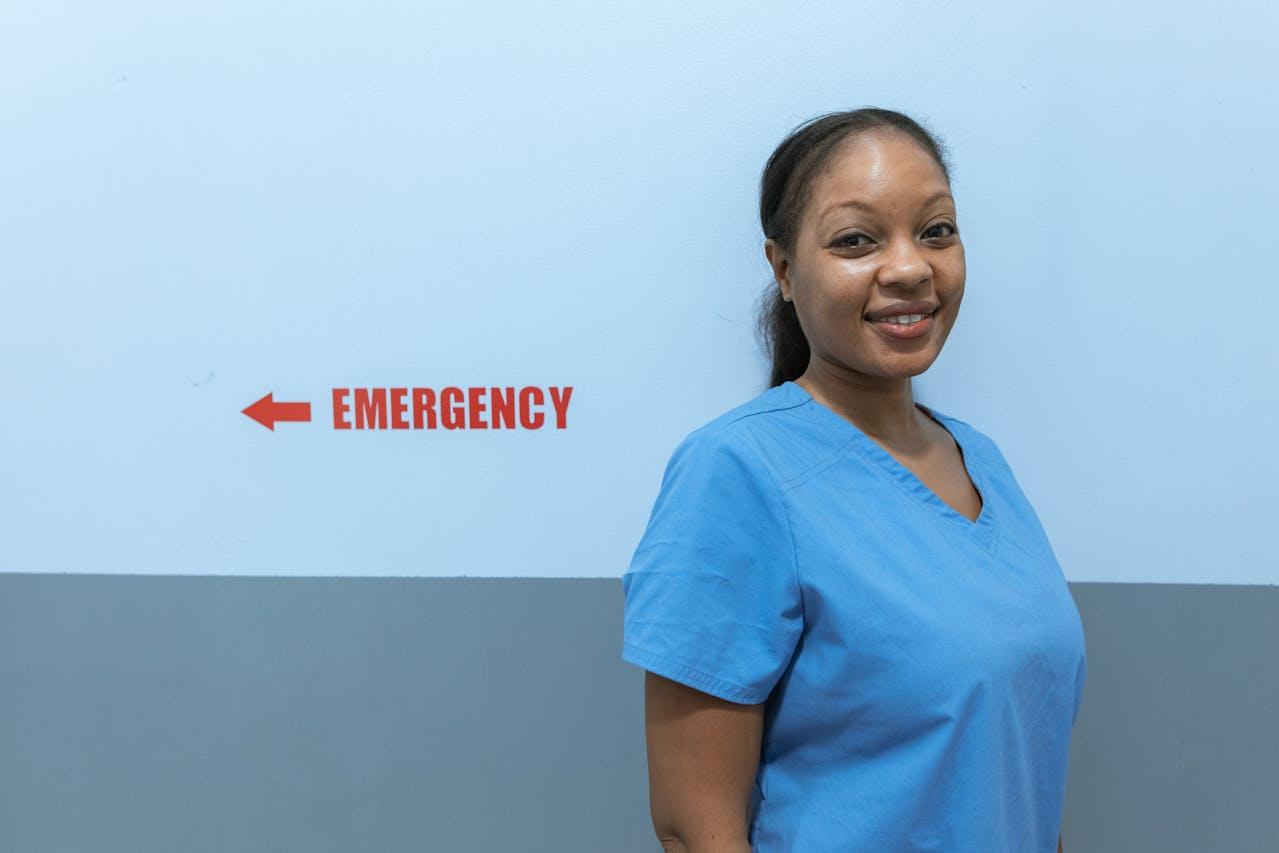
Nurses are the backbone of modern health care – but they are also stretched thinner than ever before. Long shifts, staff shortages and emotional exhaustion are the norm. Finding time for additional education feels impossible. Yet the demands on nurses keep growing. New technology, evolving treatments and complex patient needs require constant learning. The old model of education assumed people could sit in classrooms. That assumption no longer matches reality. Society is in the middle of a health care crisis. Burnout rates among nurses are staggering. At the same time, the need for skilled nurses has never been greater. Something has to give. Digital learning has stepped into that gap. It offers a way forward that respects the constraints of real life. In this blog, we will share how digital learning is reshaping nursing education and why it matters for the future of health care.
The Classroom Walls Are Coming Down
Traditional nursing education meant showing up. A specific room, a specific time. That worked when schedules were simpler. Now nurses juggle shift work, family and life. Commuting adds hours that do not exist.
Digital learning removes those barriers. Lectures happen on a phone during lunch. Simulations run on a laptop after bedtime. Discussion boards connect students across time zones. Flexibility is a necessity. Hospitals have taken notice. Many offer tuition support. A more educated nurse is a better nurse.
The pandemic accelerated this shift. What started as a crisis response is now permanent.
Expanding Skills Without Leaving the Floor
The real power of digital learning lies in skill expansion. Nursing is no longer just about bedside care. It involves data analysis, telehealth coordination and advanced critical thinking. These skills require ongoing education. For licensed practical nurses looking to advance, structured pathways make the difference. Options such as LPN to BSN online programs allow working nurses to build on existing experience without pressing pause on their careers. The structure fits around twelve-hour shifts instead of competing with them. Coursework connects directly to what happens on the floor.
A lesson on leadership applies to the next shift. A module on evidence-based practice changes how a nurse approaches patient care the very same day. This immediacy matters. It turns education from an abstract exercise into a practical tool. The outcome is a nurse who grows without burning out. Skills expand while income continues. Family life does not get sacrificed on the altar of education. That balance is what makes digital learning sustainable.
The Simulation Revolution
One common worry about digital learning is the loss of hands-on experience. How does someone learn to start an IV through a screen? The answer lies in advanced simulation technology. Virtual reality now allows nursing students to practice procedures in realistic environments. They can assess a virtual patient, make clinical decisions and see consequences play out. Mistakes happen safely. No real patient is harmed. Students can repeat a scenario until mastery is achieved. This technology was once too expensive for widespread use. That is changing rapidly.
Hospitals and schools are investing in simulation labs that blend physical and digital tools. The irony is that digital learning may actually produce more prepared nurses. Traditional clinical rotations depend on whatever patients happen to walk in. Simulation offers controlled exposure to rare but critical situations. A student can practice a code blue response dozens of times. When the real moment comes, muscle memory and confidence are already there.
The Human Element in a Digital World
Critics worry that digital learning removes the human connection from nursing education. There is truth to that concern. No screen can fully replace the mentorship of an experienced nurse standing at a bedside. But digital learning does not have to replace connection. It can enhance it. Online programs often use small group formats and live virtual sessions. Students build relationships across states and specialties. They share experiences that enrich learning in ways a single classroom cannot.
The key is intentional design. Good digital programs get built in collaboration – they require discussion, peer feedback and live interaction. The goal is not isolation. The goal is accessibility without losing community. Many nurses report feeling more connected in online programs. They are connecting with people who truly understand their specific challenges. Shared schedules, shared frustrations, shared wins. That is community built on reality rather than geography.
The Bigger Picture for Health Care
The shift toward digital learning is about more than convenience. It is about the future of health care itself. The nursing shortage is not going away. Retirements are accelerating. Demand is rising as the population ages. The only way to close the gap is to make education more accessible. Digital learning opens doors for people who were previously locked out. Single parents, rural residents, second-career professionals. These are the people who will fill the nursing pipeline. They bring diverse perspectives and life experience to the field. That diversity makes health care stronger. Patients benefit when their nurses reflect their communities and understand their contexts.
The broader societal trend is clear: work and learning are merging – whether one approves of this change or not. The old idea of finishing education before starting a career is fading. Continuous learning is the new normal across every industry. As for nursing, it is simply catching up. The pandemic exposed the fragility of the old system. It also revealed what is possible when necessity drives innovation. Digital learning proved it could deliver quality education at scale. Now the challenge is sustaining that momentum. Schools must invest in technology and faculty training. Hospitals must support staff who pursue education. Policymakers must fund programs that remove financial barriers.
What Comes Next
The shift is already happening. It cannot be reversed. The question is how well it will be implemented. For nurses considering further education, the options have never been more flexible. The barriers of time and place are falling away. What remains is the commitment to growth. That commitment has always defined nursing. Digital learning simply removes the obstacles that stood in the way. The nurse who takes advantage of these tools is not taking an easier path. They are choosing a smarter path. One that allows them to grow without sacrificing their life in the process. That is not just good for nurses. It is good for everyone who will ever need one.