You might only think about your teeth when something feels wrong. A sudden sharp pain when you sip a hot drink. Bleeding gums when you brush. A chip that wasn’t there yesterday. It’s common to book a dental appointment when discomfort appears, but by then, the issue has often been developing quietly for months.
Living in London means you’re constantly on the go. Between work, commuting, and social commitments, routine health appointments can easily slip down the priority list. If your teeth aren’t hurting, it feels safe to postpone that check-up. But oral health rarely sends early warning signs. Cavities, gum disease, and enamel erosion can progress silently.
Preventive dental care is about staying ahead of problems rather than reacting to them. It’s a long-term approach that protects your smile, your comfort, and even your overall health. While daily brushing and flossing matter, professional support plays a crucial role in keeping everything on track.
Why Professional Preventive Care Makes a Real Difference
Home care is essential, but it can’t do everything. Even with careful brushing and flossing, plaque can build up in hard-to-reach areas. Over time, that plaque hardens into tartar, which cannot be removed without professional tools.
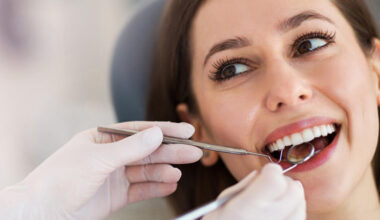
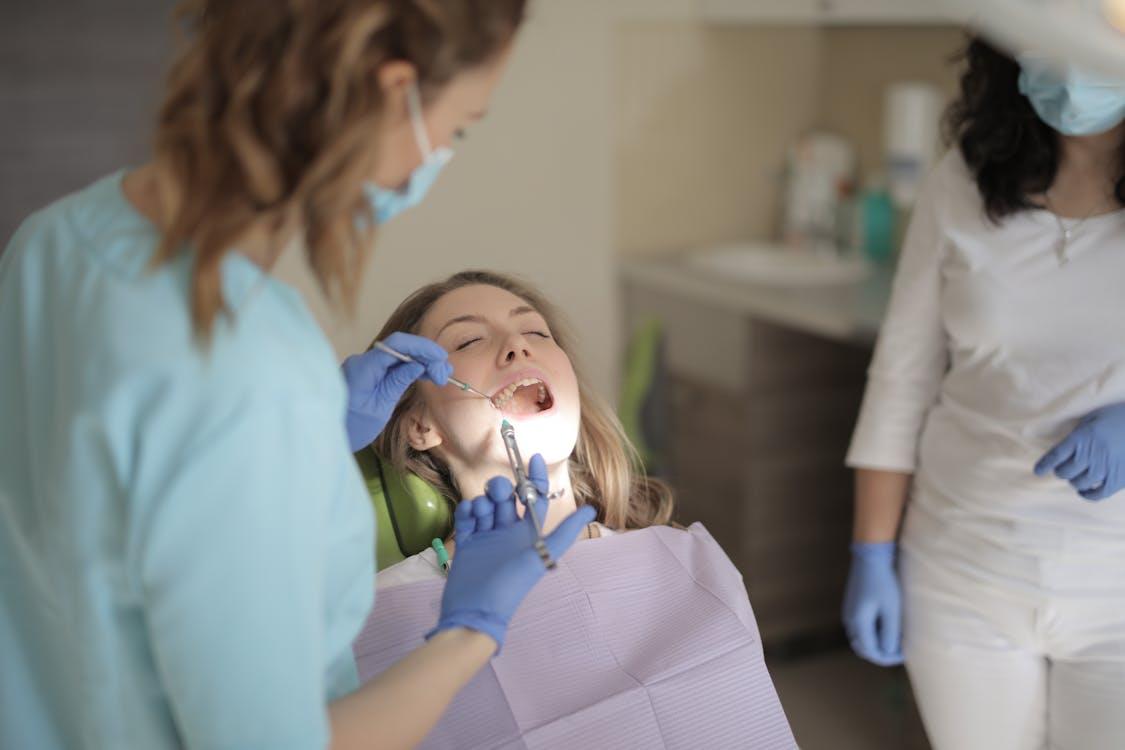
Regular visits to a London dental clinic give you access to thorough examinations, hygienist cleanings, and early detection of issues before they become painful or expensive. During routine appointments, dental professionals check for small cavities, signs of gum inflammation, enamel wear, and other concerns that may not yet be visible to you.
Professional cleanings remove hardened deposits that brushing cannot tackle. Dentists may also take X-rays to detect hidden decay between teeth or beneath existing fillings. They assess your bite, check soft tissues, and screen for early signs of oral cancer.
Most importantly, they tailor advice to your specific needs. Whether you’re prone to sensitivity, gum problems, or cosmetic concerns, preventative care plans can be adjusted to suit you. That personalised attention makes a significant difference over time.
The Importance of Daily Brushing and Flossing
Professional check-ups play a key role, but what you do at home every day has the biggest impact on your oral health. Cleaning your teeth morning and night with a fluoride toothpaste helps clear away the sticky film of bacteria before it hardens and becomes more difficult to remove. Focus on steady, light movements rather than pressing too hard, as aggressive brushing can wear down enamel and make your gums sore.
Cleaning between your teeth is just as important. Using floss once a day removes trapped food and plaque from areas your toothbrush can’t reach. When you skip this step, bacteria settle in those narrow spaces, raising the chances of cavities and gum irritation.
It’s also important to change your toothbrush regularly. Worn bristles don’t clean effectively and can be harsh on your gums. Swapping it out every few months keeps your routine effective.
These steps aren’t complicated, but doing them consistently is what keeps your teeth and gums healthy over time.
The Link Between Oral Health and Overall Health
Your mouth doesn’t exist in isolation. Gum disease has been linked to wider health concerns, including heart disease and complications related to diabetes. Bacteria from untreated infections can enter the bloodstream and contribute to inflammation elsewhere in the body.
Maintaining healthy gums reduces these risks. Preventive dental care supports your overall well-being, not just your appearance.
When you prioritise oral health, you’re supporting your body as a whole.
Early Detection Saves Time and Money
One of the biggest benefits of preventative care is catching problems early. A small cavity can usually be treated quickly with a simple filling. If ignored, it may develop into a deeper infection requiring more complex treatment.
Routine examinations allow dentists to monitor changes over time. They can spot enamel erosion, hairline cracks, or shifting teeth before they cause discomfort.
Addressing issues early typically means shorter appointments, less invasive procedures, and lower costs. Prevention almost always costs less than treatment.
Protecting Your Gums
Gum disease often begins quietly. You might notice a little bleeding when you brush or floss, slight swelling along the gum line, or mild tenderness that comes and goes. Because these symptoms aren’t usually painful, they’re easy to dismiss. Many people assume a bit of bleeding is normal, but it’s actually a sign that your gums need attention.
In its earliest stage, known as gingivitis, gum disease is caused by plaque building up along the gum line. The good news is that gingivitis can usually be reversed. Professional cleanings remove hardened plaque, and improving your brushing and flossing routine helps the gums heal. Acting at this stage makes a big difference.
If gingivitis is ignored, it can develop into periodontitis. This more advanced form of gum disease affects not only the gums but also the bone that supports your teeth. As the condition progresses, gums can pull away from the teeth, pockets can form, and teeth may loosen over time.
Regular check-ups allow dental professionals to spot inflammation early and recommend targeted treatment before permanent damage occurs. Healthy gums provide a strong foundation for your teeth, helping them stay stable and secure for years to come.
Supporting Children and Teenagers
Preventive care is especially important for young people. Establishing good habits early sets the foundation for lifelong oral health.
Routine visits allow dentists to monitor tooth development and alignment. Fluoride treatments strengthen enamel, while sealants protect vulnerable molars from decay.
Creating positive dental experiences for children reduces anxiety and encourages them to maintain regular visits as adults.
Lifestyle Choices Matter
Your daily choices affect your teeth more than you may realise. Sugary snacks and drinks feed bacteria that produce acid, which weakens enamel. Drinking water throughout the day helps rinse away food particles.
Avoiding tobacco significantly reduces the risk of gum disease and oral cancer. If you play contact sports, wearing a mouthguard protects against injury.
A balanced diet rich in vitamins and minerals supports strong teeth and healthy gums.
Preventive dental care is not about chasing perfection. It’s about reducing risk and maintaining stability. When you commit to regular check-ups and strong daily habits, you lower the likelihood of major dental procedures later.
You also protect your confidence. A healthy smile allows you to speak, laugh, and socialise without hesitation.
Living in a fast-paced city can make it tempting to delay routine care. But small, consistent actions make a lasting difference. By focusing on prevention rather than waiting for pain, you give yourself the best chance of keeping your smile healthy and strong for years to come.